









University : University of Architecture Ho Chi Minh City
Tutor(s) : Dr Phạm Phú Cường
Project Description
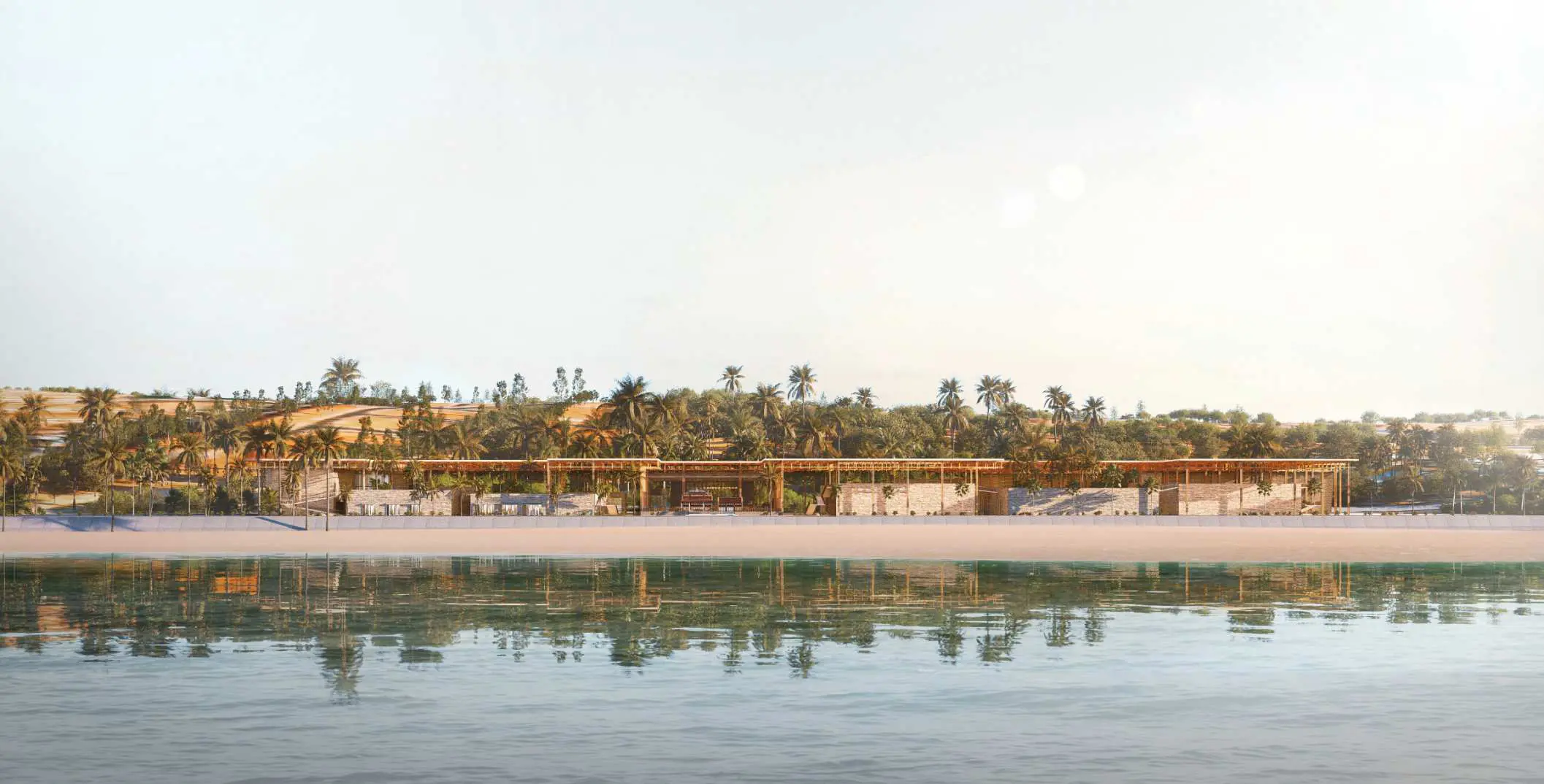
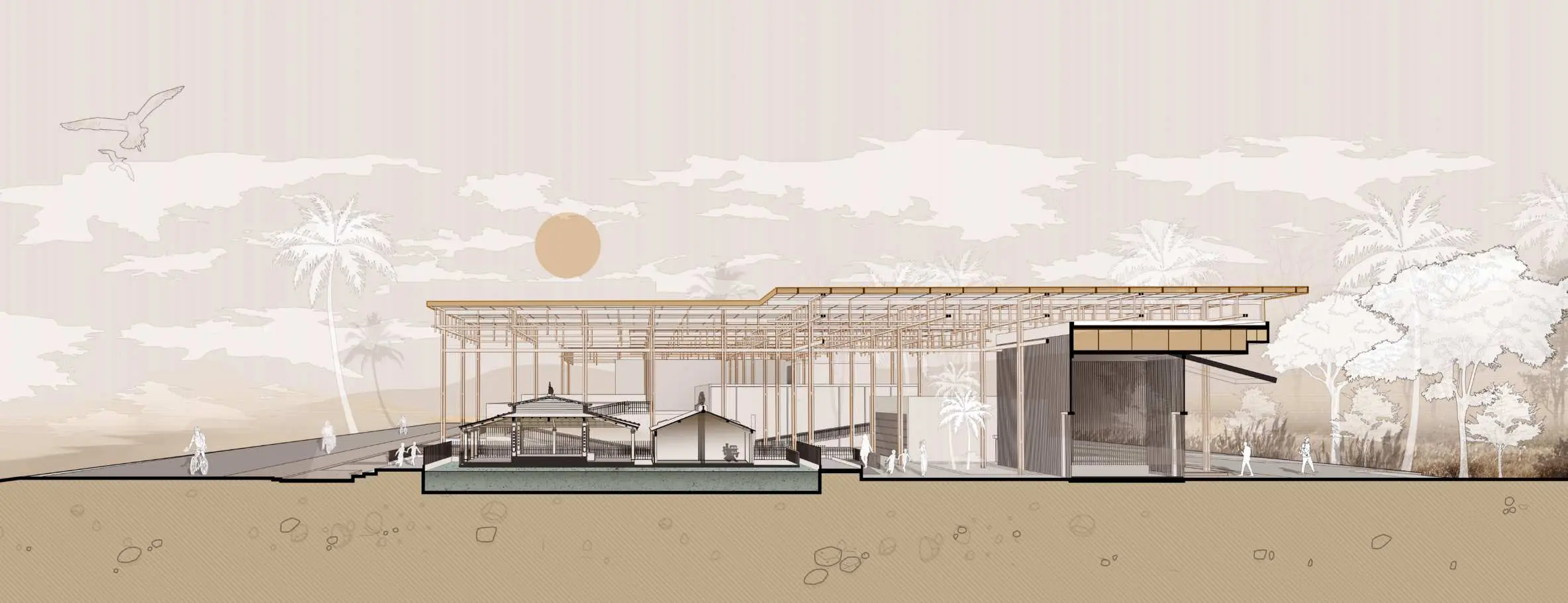
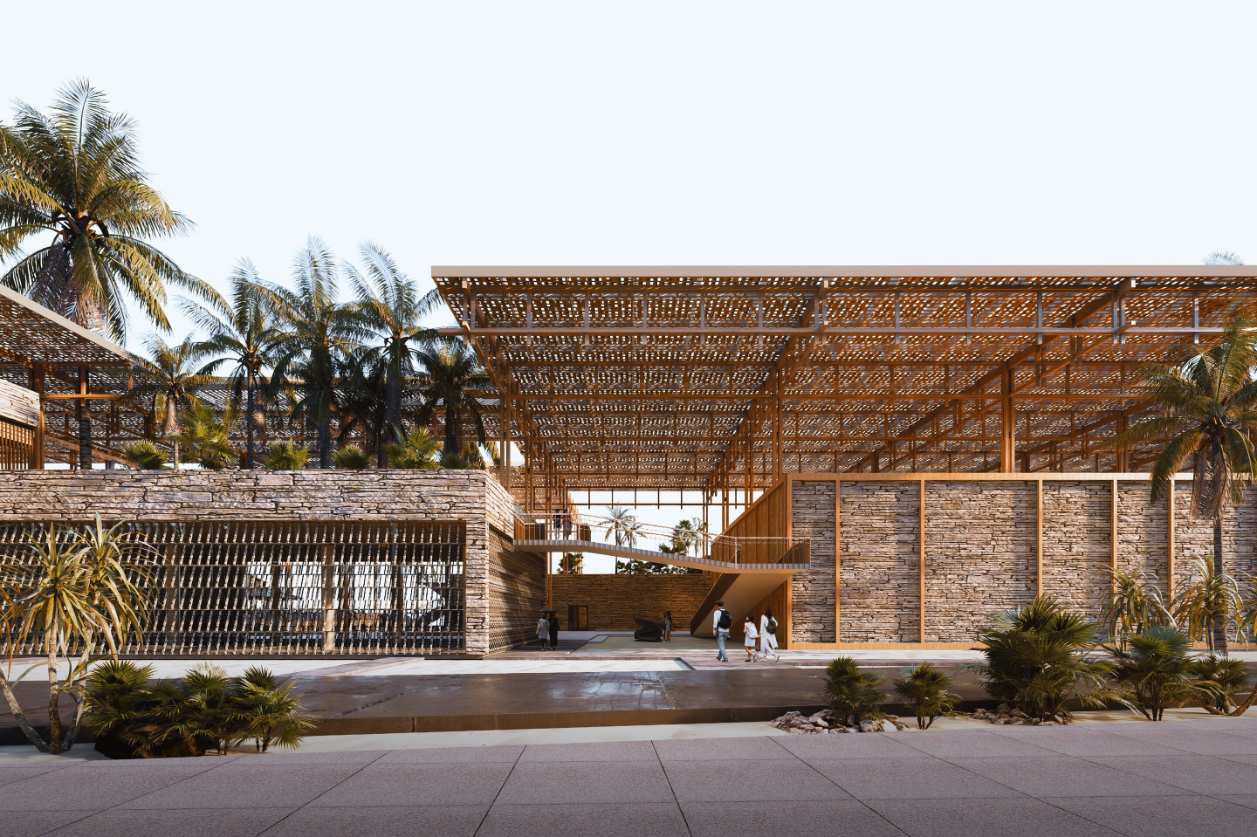
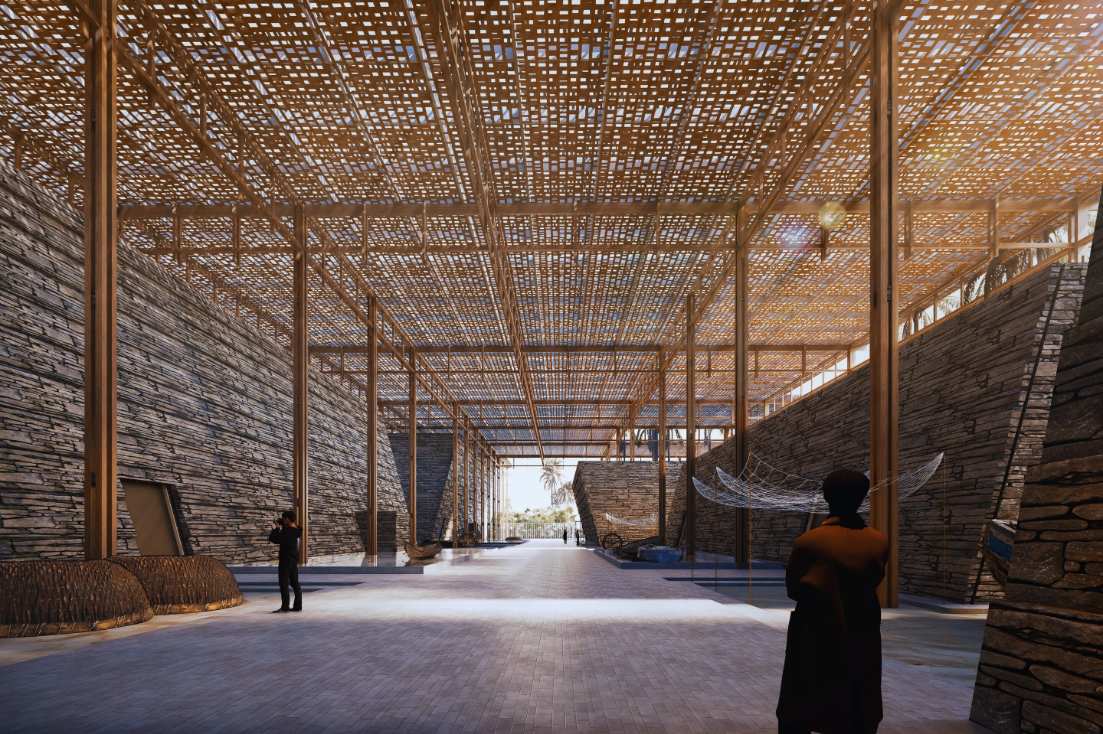
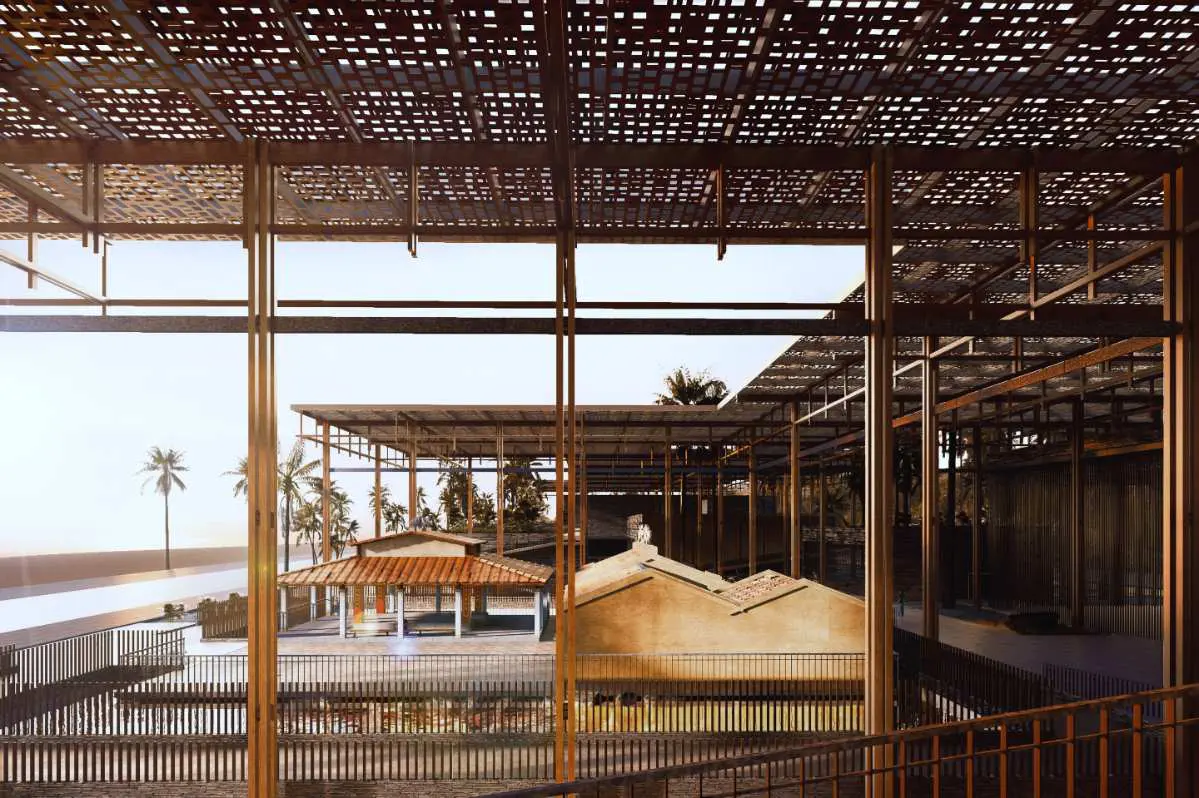
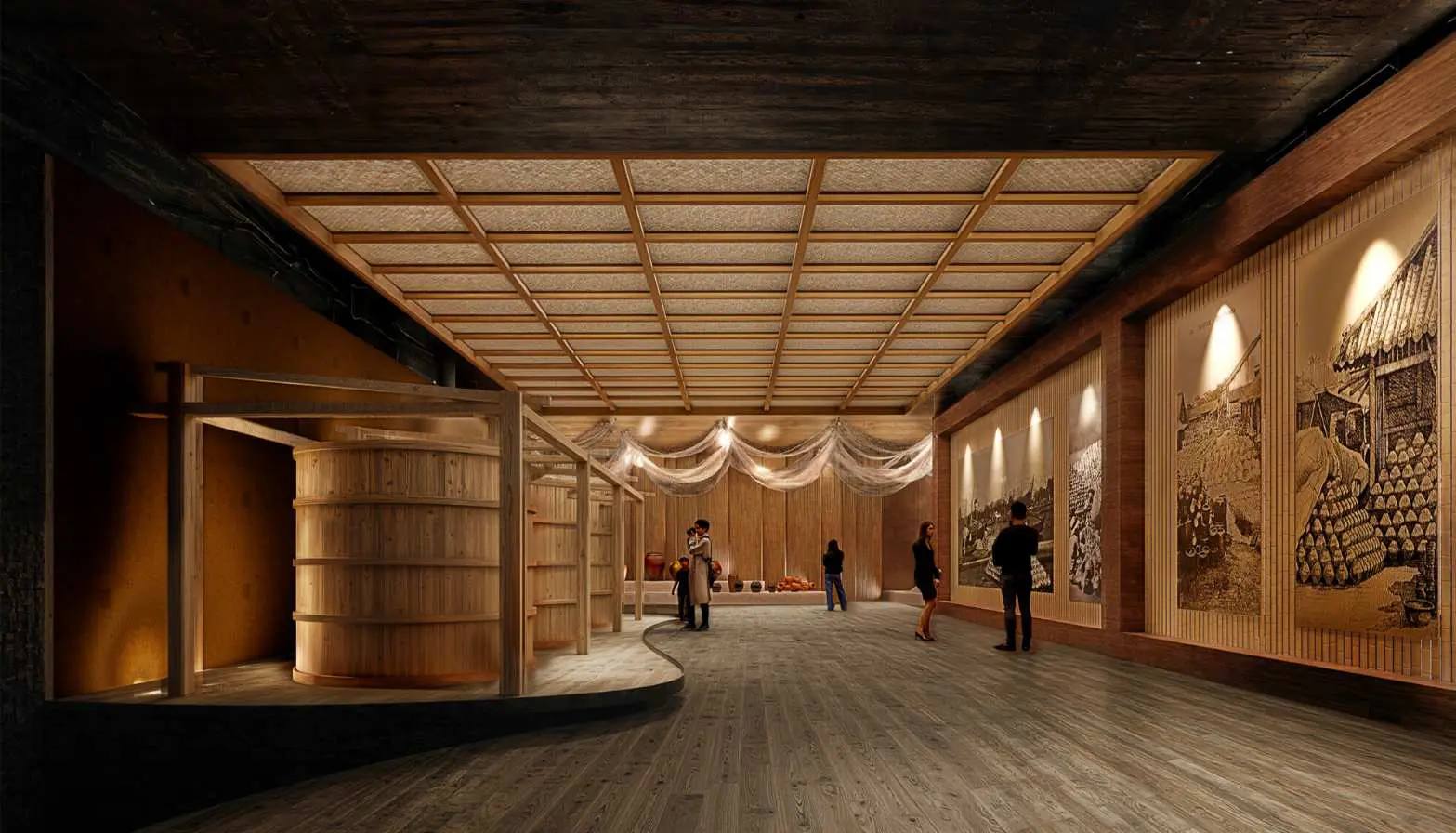
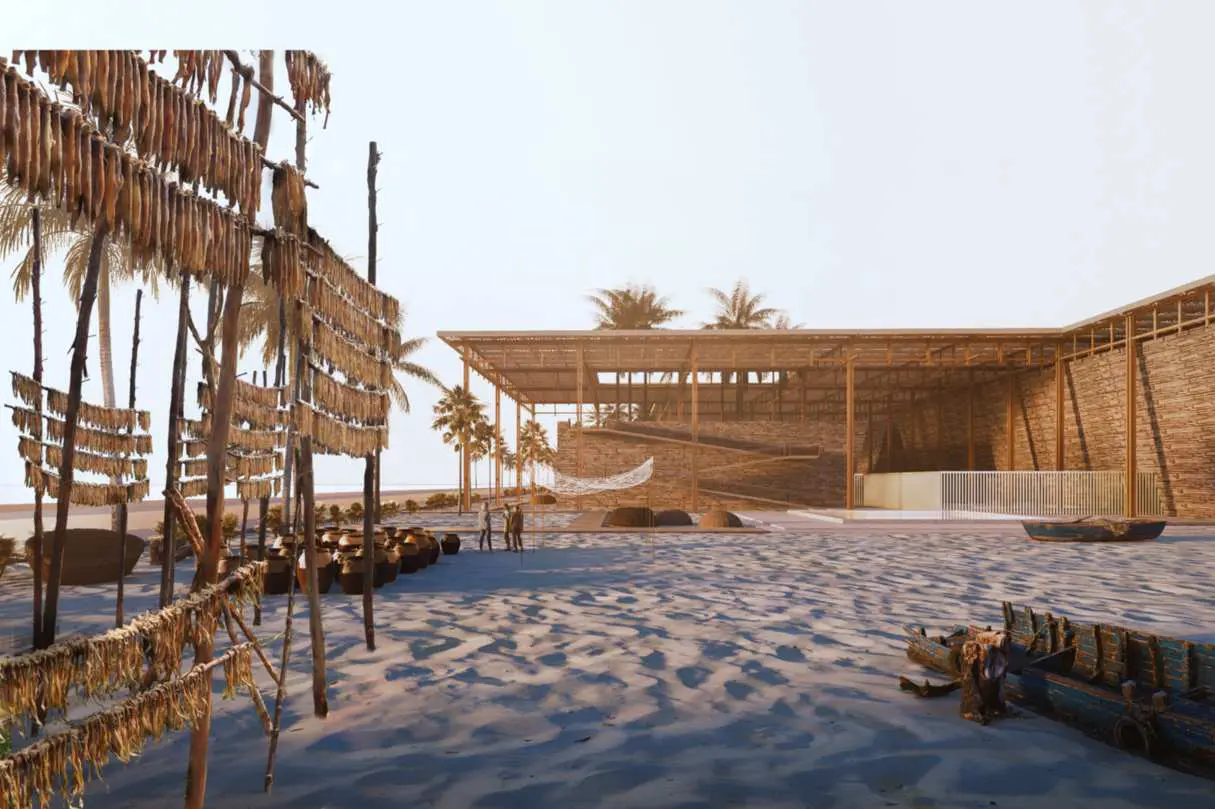
– The project draws inspiration from traditional fishing villages nestled beneath coconut groves along the shoreline. From this foundation, permeable architecture is adopted as the guiding principle, blurring boundaries between inside and outside, solid and void, much like daily life in coastal villages. A defining gesture is the permeable roof system, filtering daylight across the composition and evoking the atmosphere of light through coconut canopies. This spirit extends to the master plan, which learns from the organization of sea villages where dwellings, communal areas, and sacred spaces interweave in a porous fabric. The design preserves Mui Ne’s coastal topography, especially its white dunes, keeping the ground open while interweaving exhibitions with outdoor spaces shaped by the spirit of coastal folk life.
– In the project, Vạn Bình An—located on the existing site—is preserved as a core element of the design. More than a relic, it becomes a living entity, continuing its role as a sacred place for fishermen during annual rituals while also engaging visitors as a living heritage of coastal culture. By remaining active in both community practice and museum storytelling, the Vạn stands as the heart of the project, embodying memory, identity, and the enduring spirit of Mui Ne’s fishing traditions. Vạn Bình An is positioned as the key point of the sacred axis. Rather than absorbing it into the museum, the roof is carefully cut open to restore the natural void it once possessed, allowing the Vạn Bình An to remain independent and sacred. This approach allows the museum to both honor local beliefs and connect the heritage with a contemporary spatial experience.
– What makes the design stand out is its sensitivity to both landscape and memory. The architecture embodies permeability, allowing space and nature to flow into one another. Instead of dominating the land, the cover of building is gently lifted, returning space to sand, wind, and vegetation — the very backdrop of fishermen’s lives. The essence of the project is approached through images and objects carrying the spirit of Mui Ne, ensuring that the museum does not impose itself but resonates with the cultural and emotional landscape of the community.
– In a global context where architecture is struggling to find adequate responses to fast-evolving social and environmental challenges, this project offers a modest but meaningful answer: one that celebrates everyday coastal life and honors communal and spiritual identities. Here, identity is understood not only as personal memory but also as a collective sense of belonging to a place. By revisiting traditions of sea folk culture as a springboard for innovation — without nostalgia or ambiguity — the museum transforms heritage into a living dialogue between past and future.
Established in 2012, Tamayouz Excellence Award is an unaffiliated, independent initiative that aims to advance the profession of architecture academically and professionally. Tamayouz is dedicated to supporting aspirational and transformative projects that tackle local and global challenges and that are informed by a holistic understanding of context.