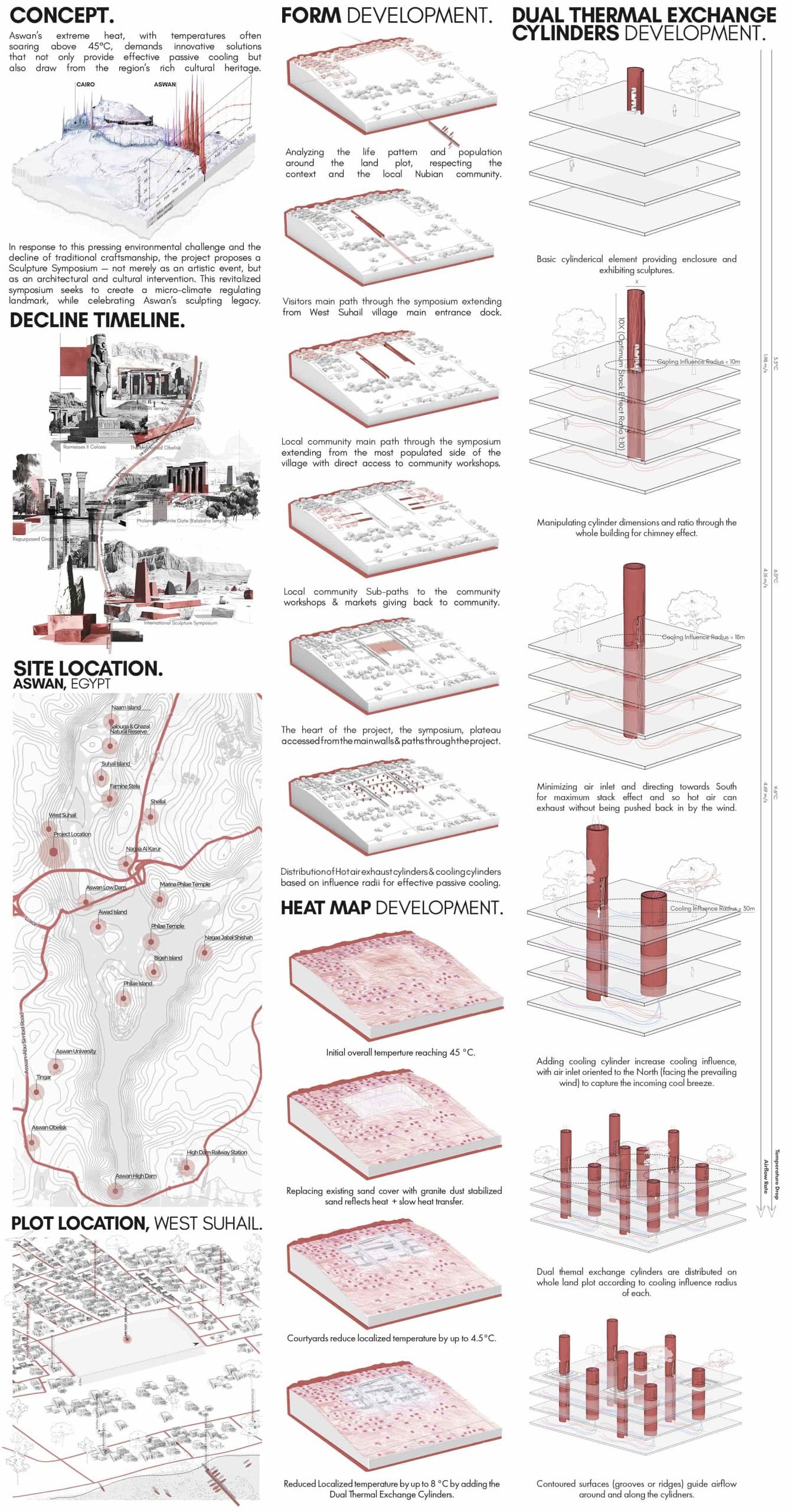
Aswan, Egypt’s southernmost city, faces some of the country’s most extreme heat, with summer temperatures often exceeding 45°C. This climate challenges daily life, public health, energy use, and sustainable development. Intense solar radiation, prolonged heatwaves, and limited shading demand innovative solutions that cool spaces passively while reflecting the region’s cultural identity.
Aswan’s legacy as a source of granite for Egypt’s monuments lives on through the Aswan International Sculpture Symposium (AISS), founded in 1996 to bring artists from around the world. Yet, local participation and infrastructure have declined, limiting its role as a year-round cultural force. The Living Symposium reimagines this event as both an artistic platform and an architectural intervention, creating a micro-climate regulating landmark that revives Aswan’s sculpting heritage.
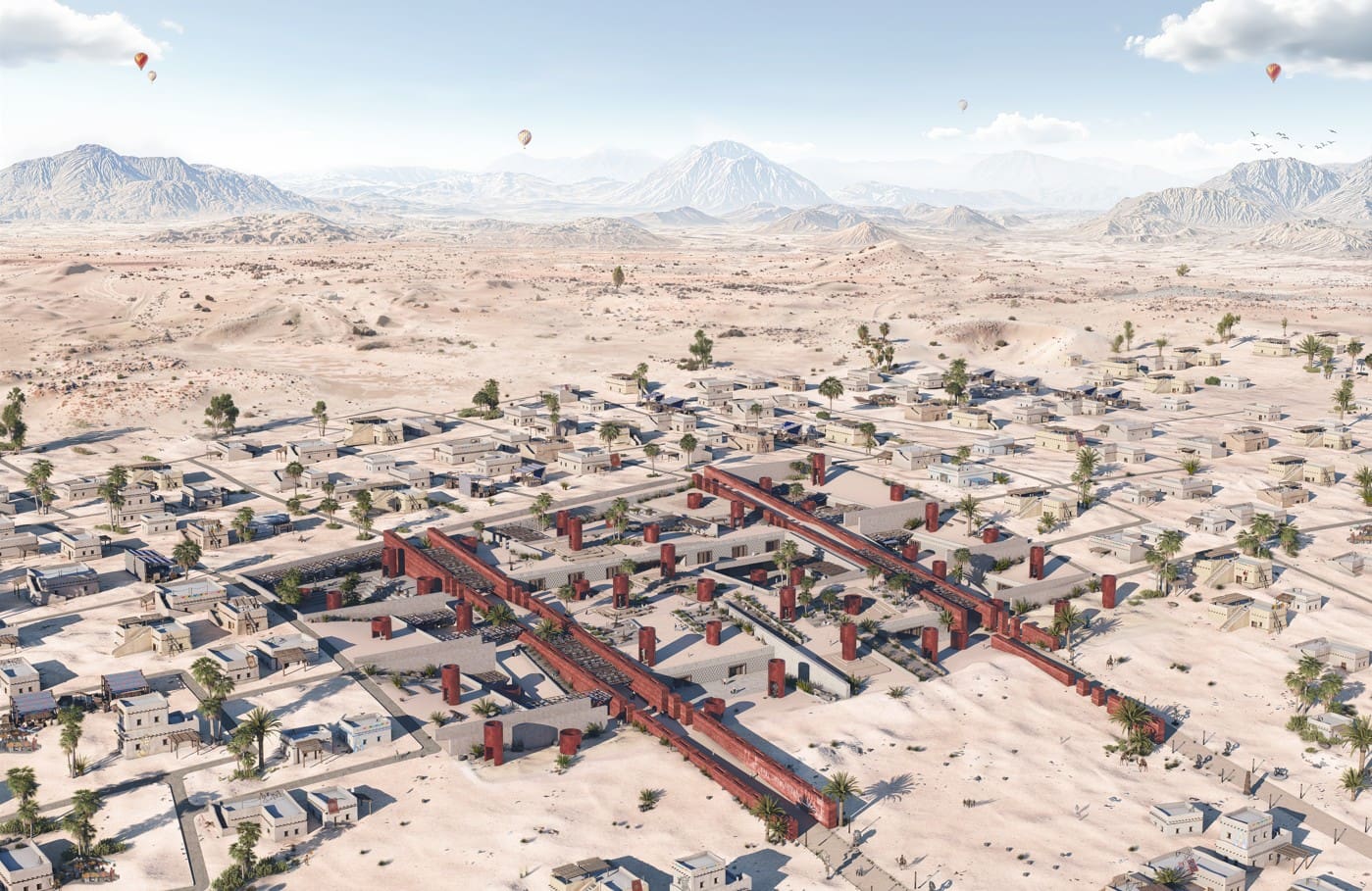
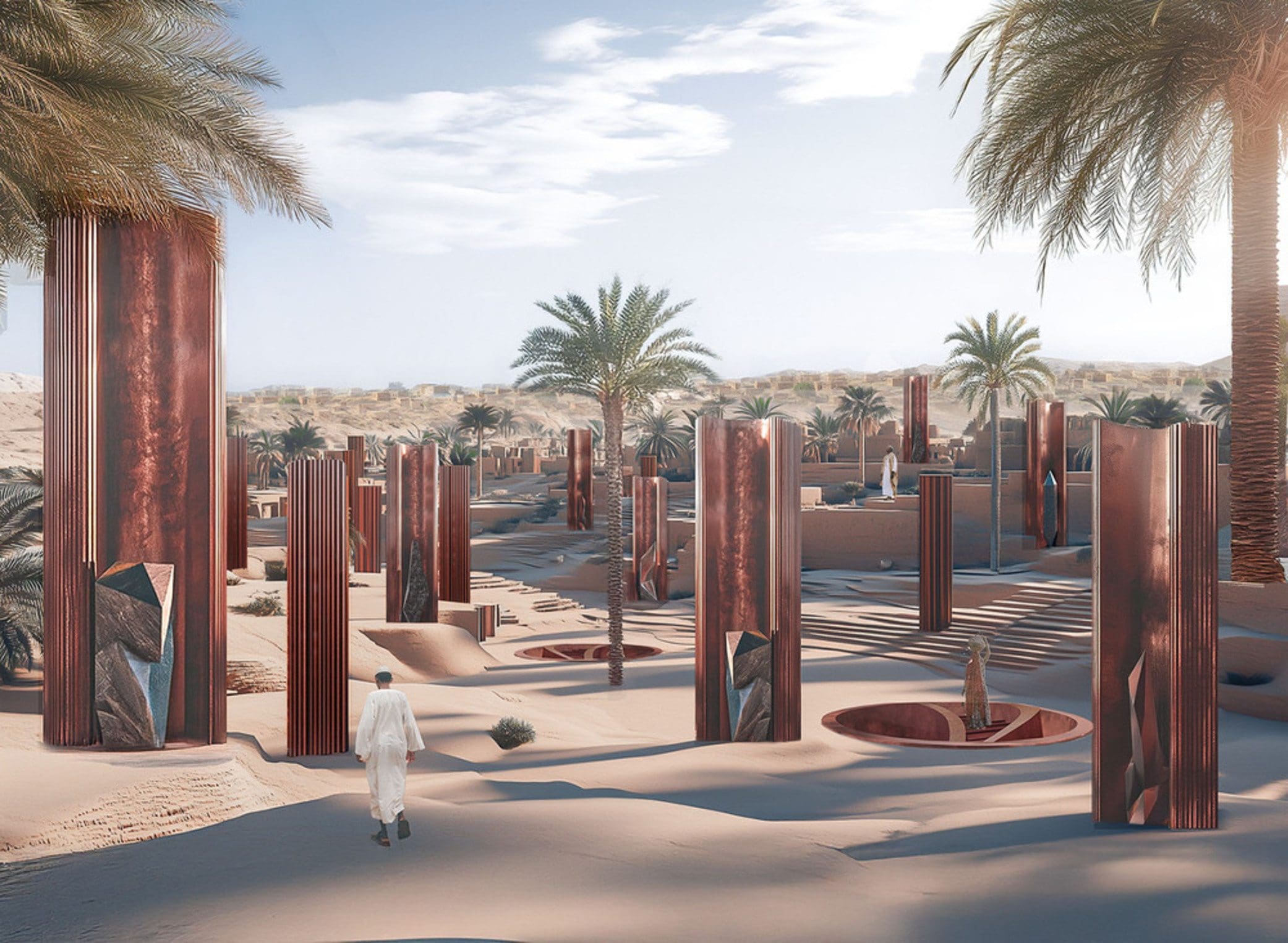
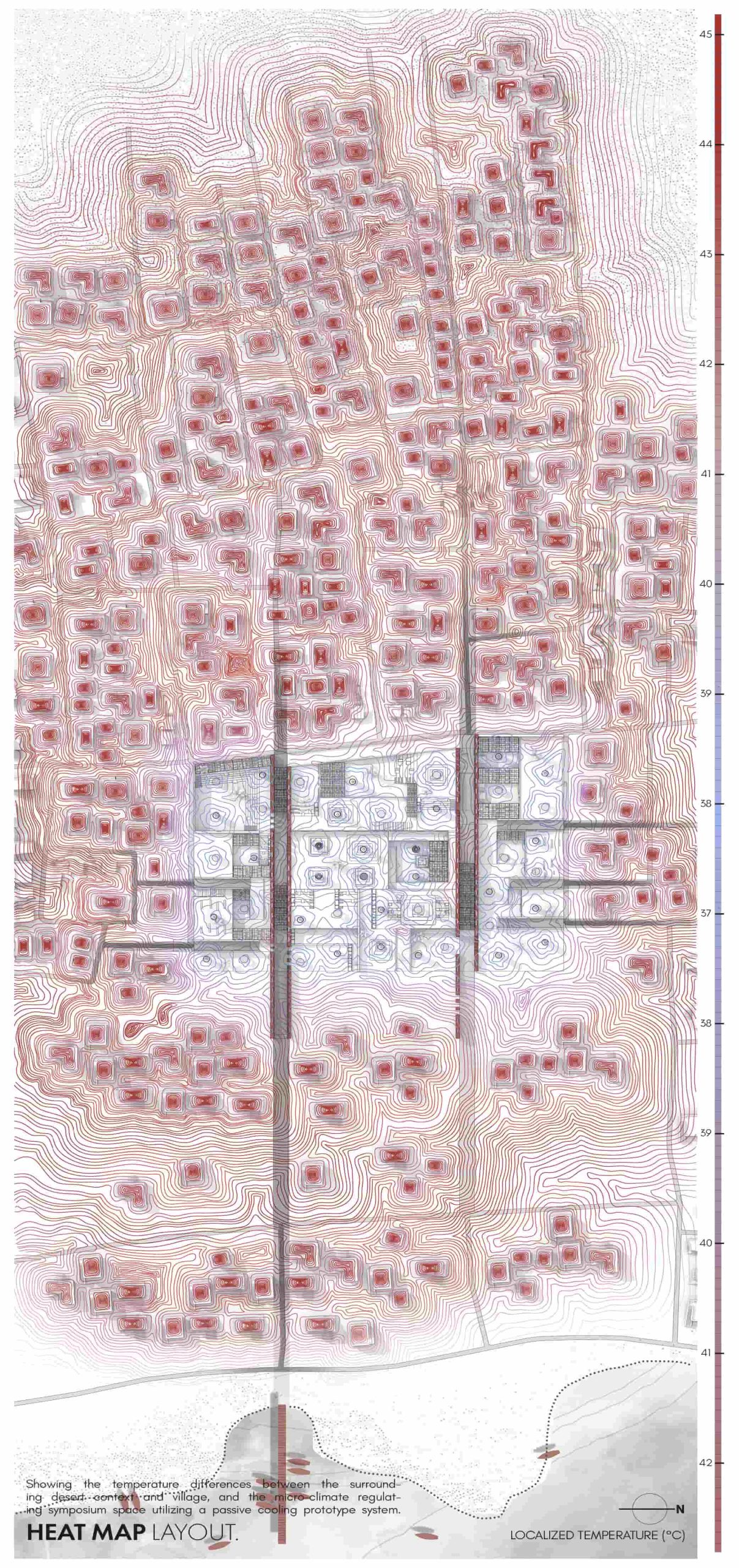
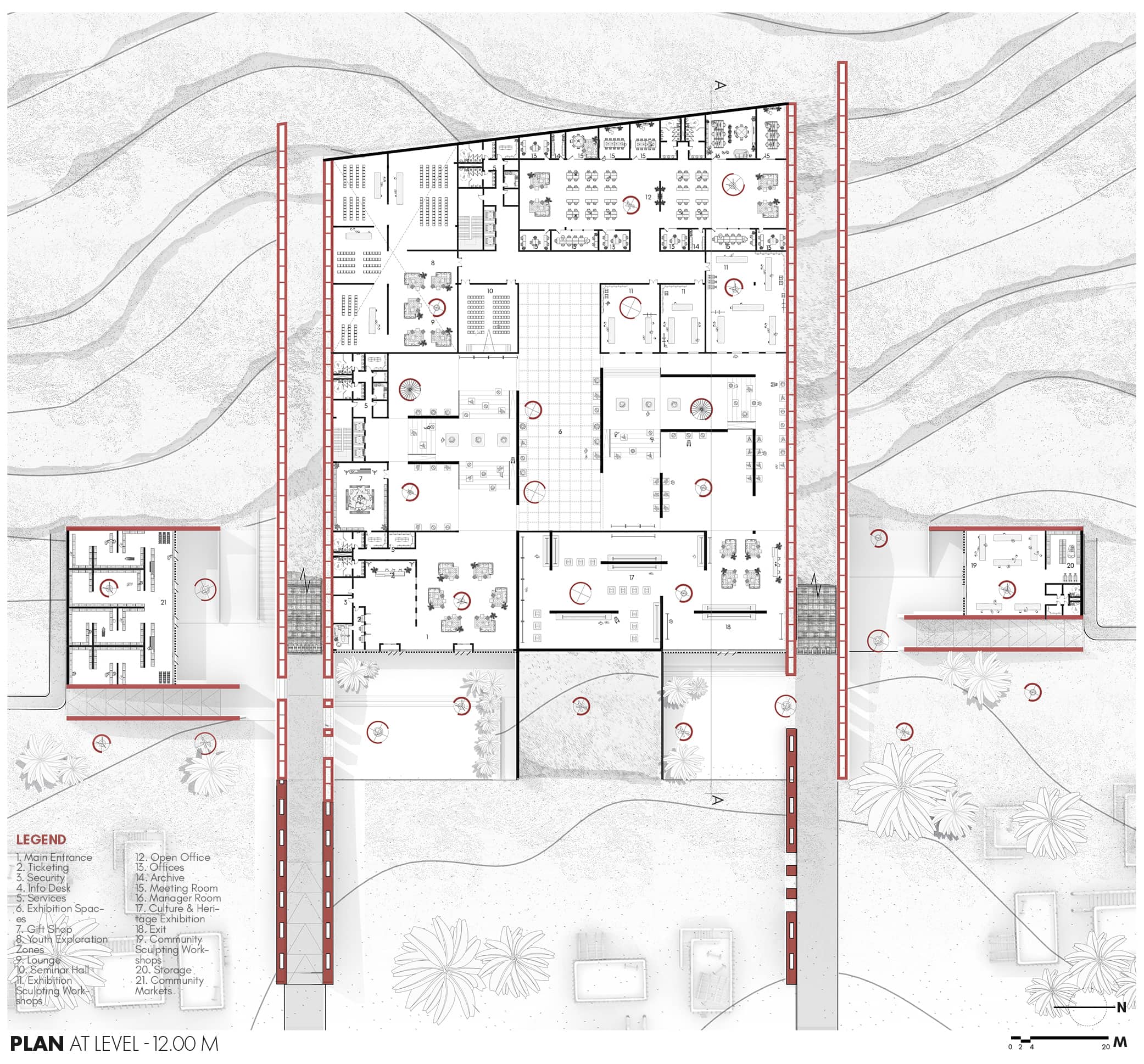
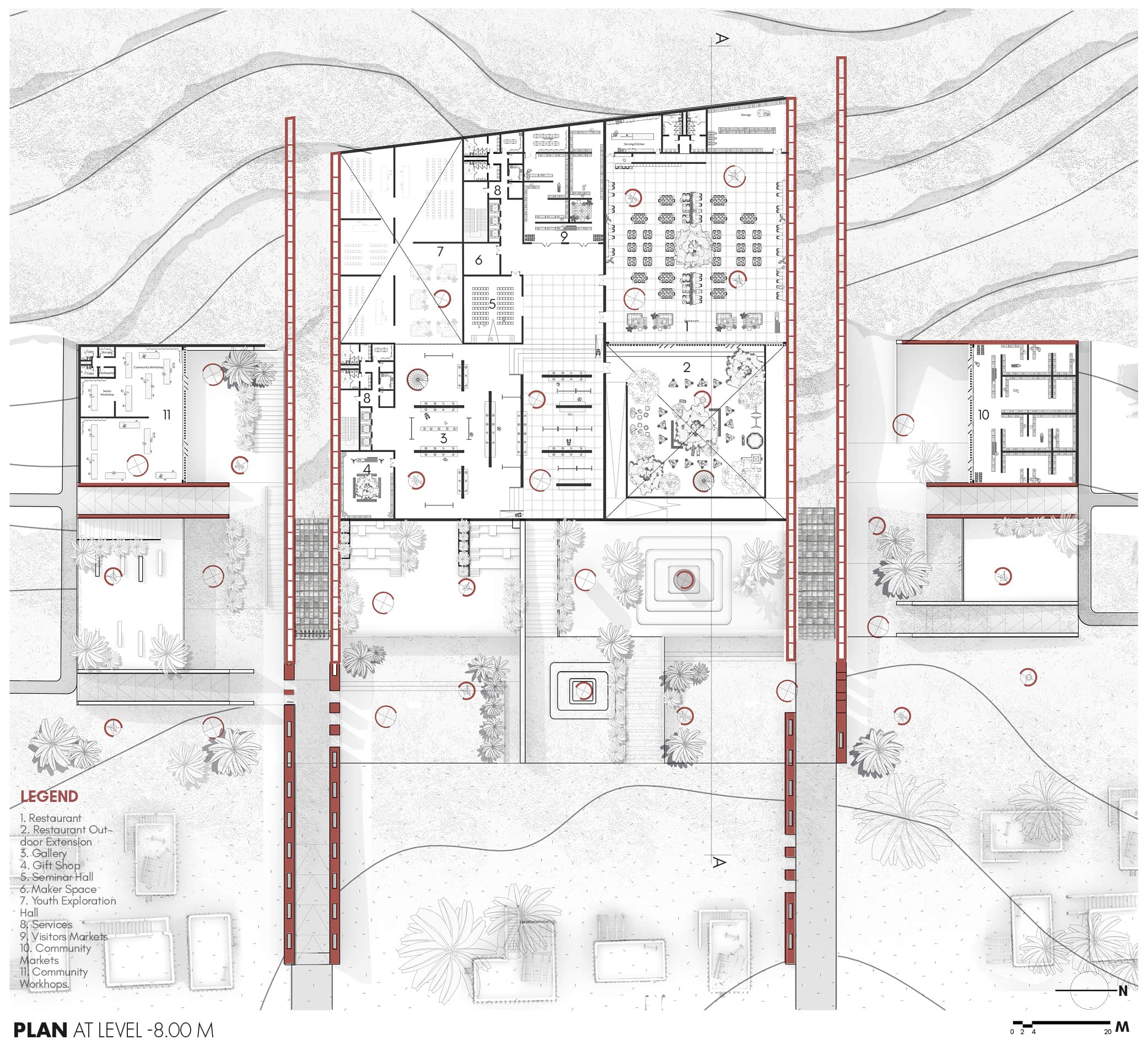
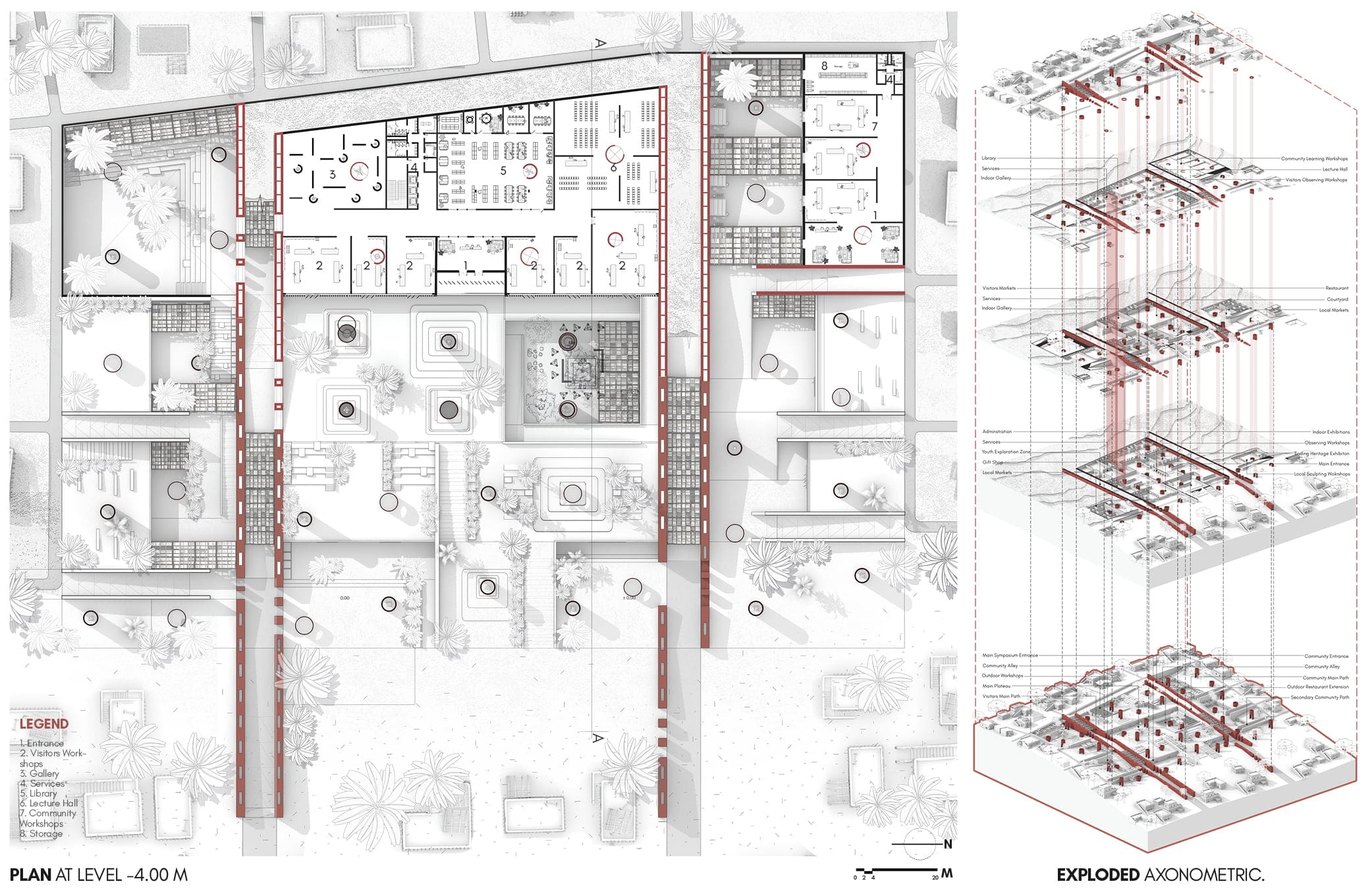
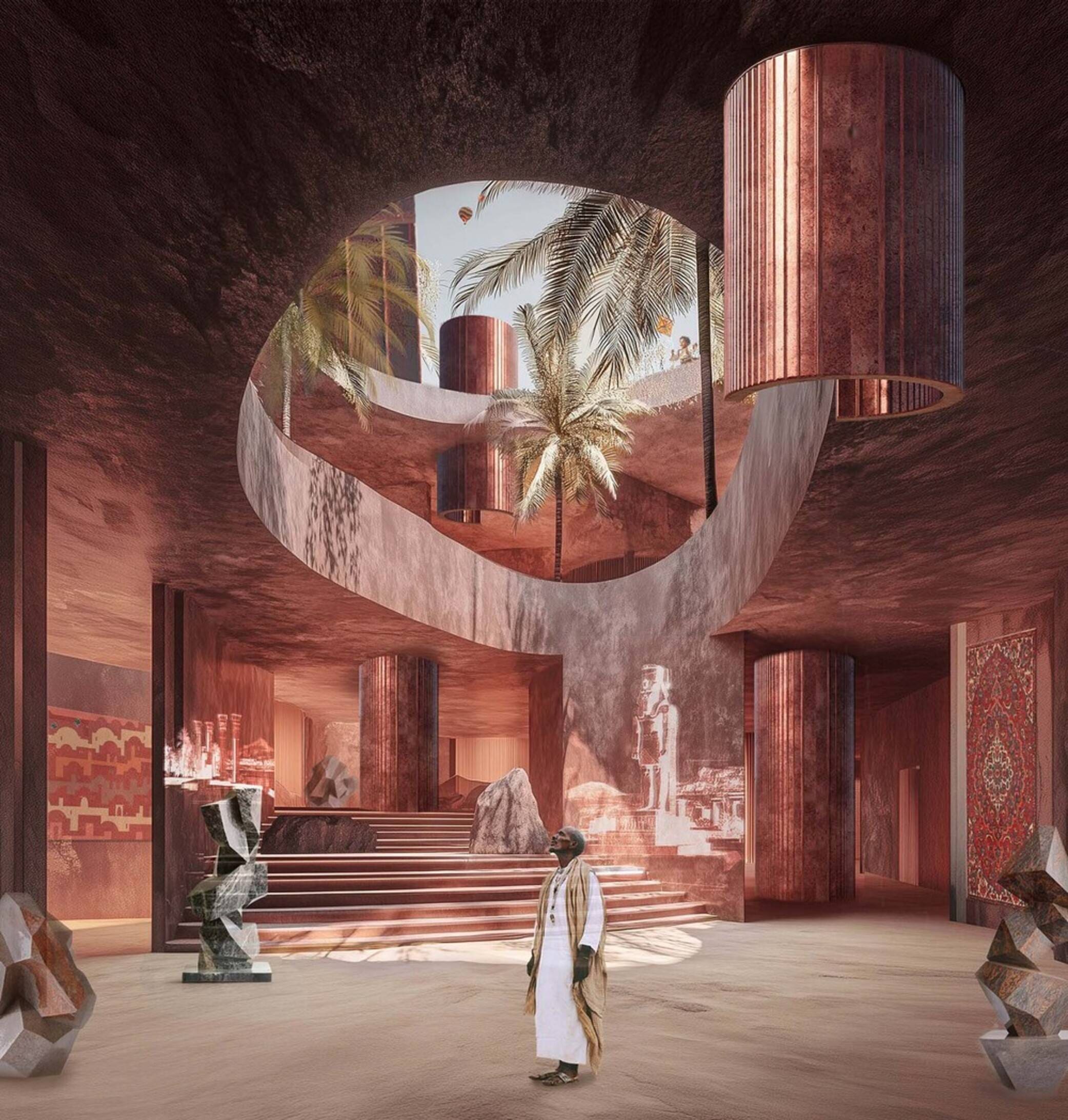
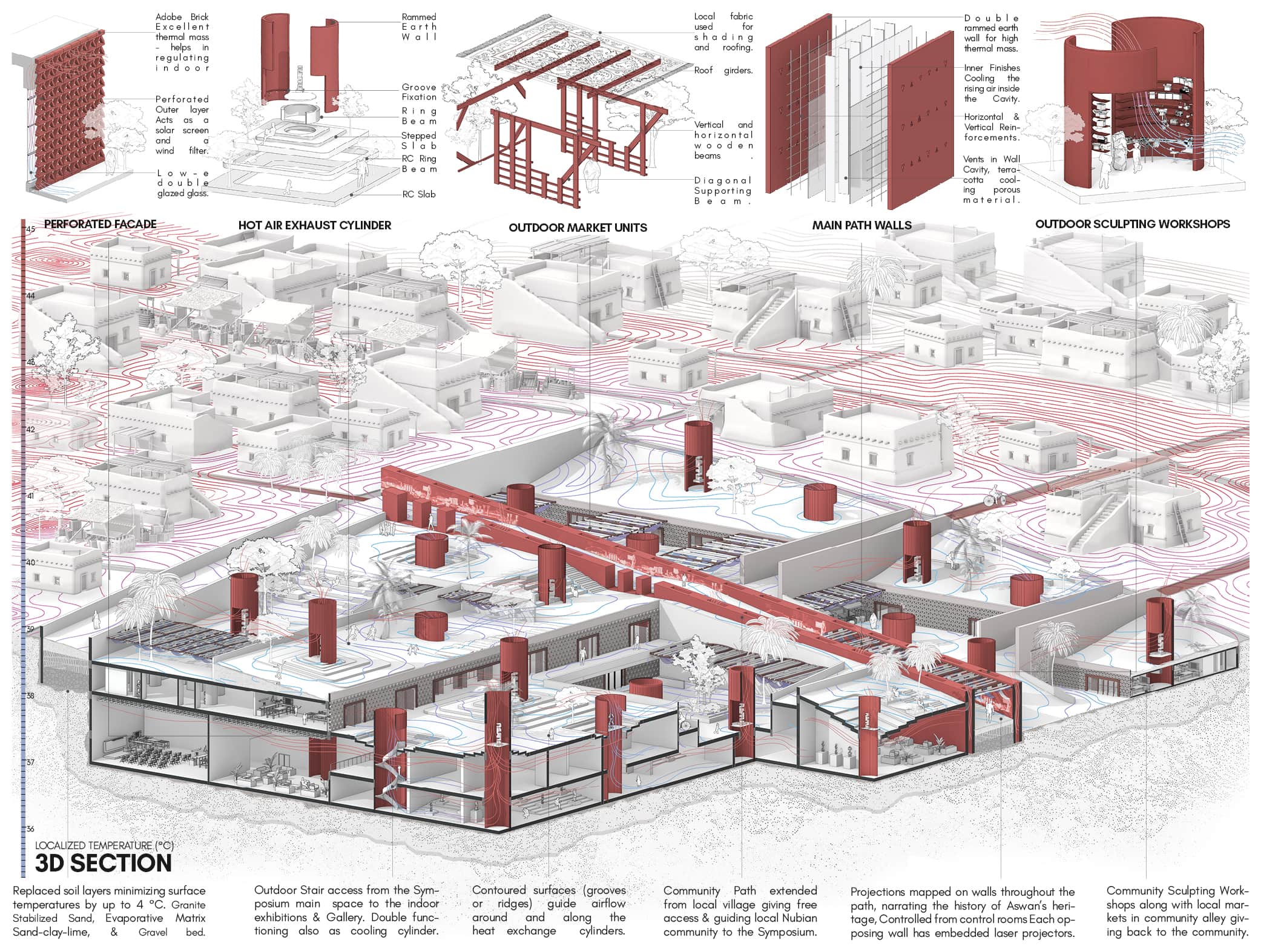
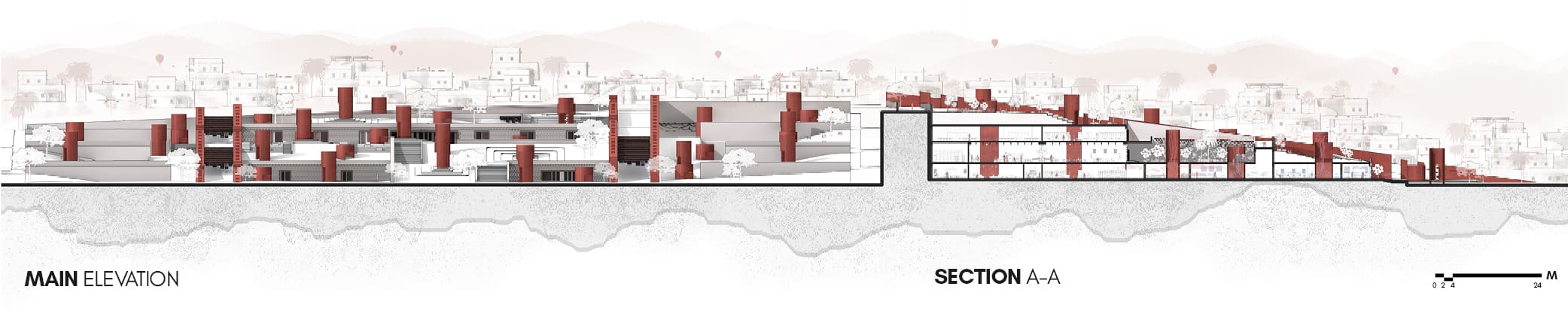
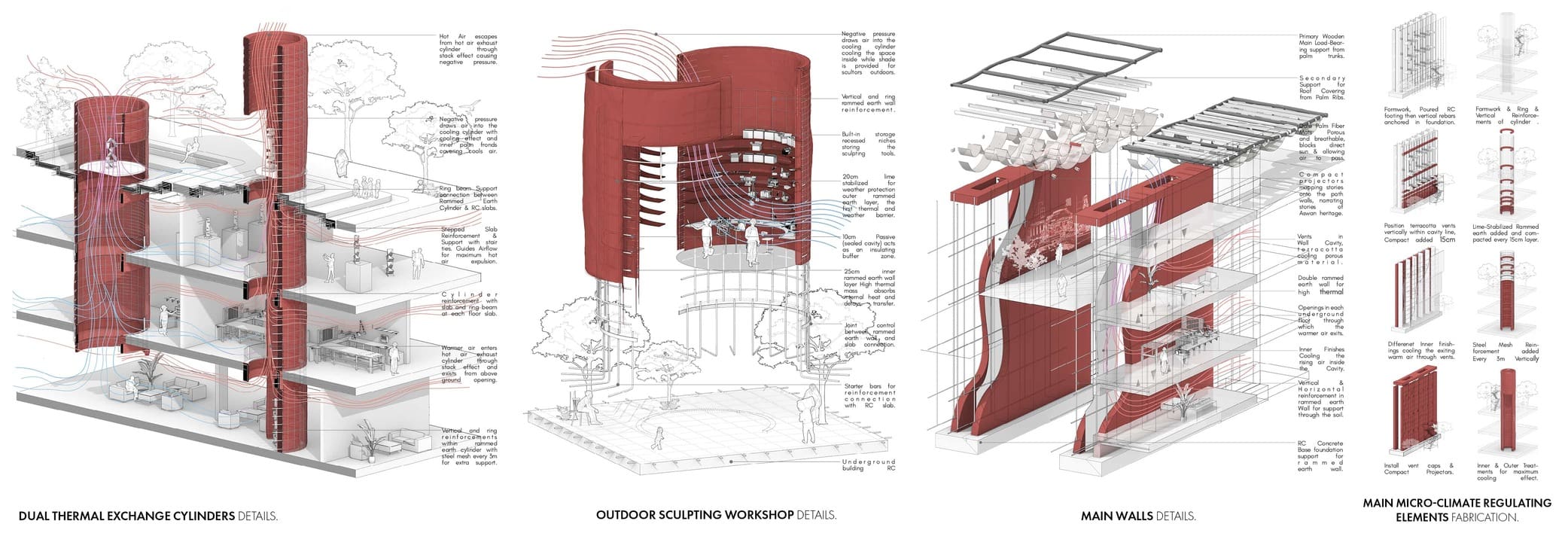
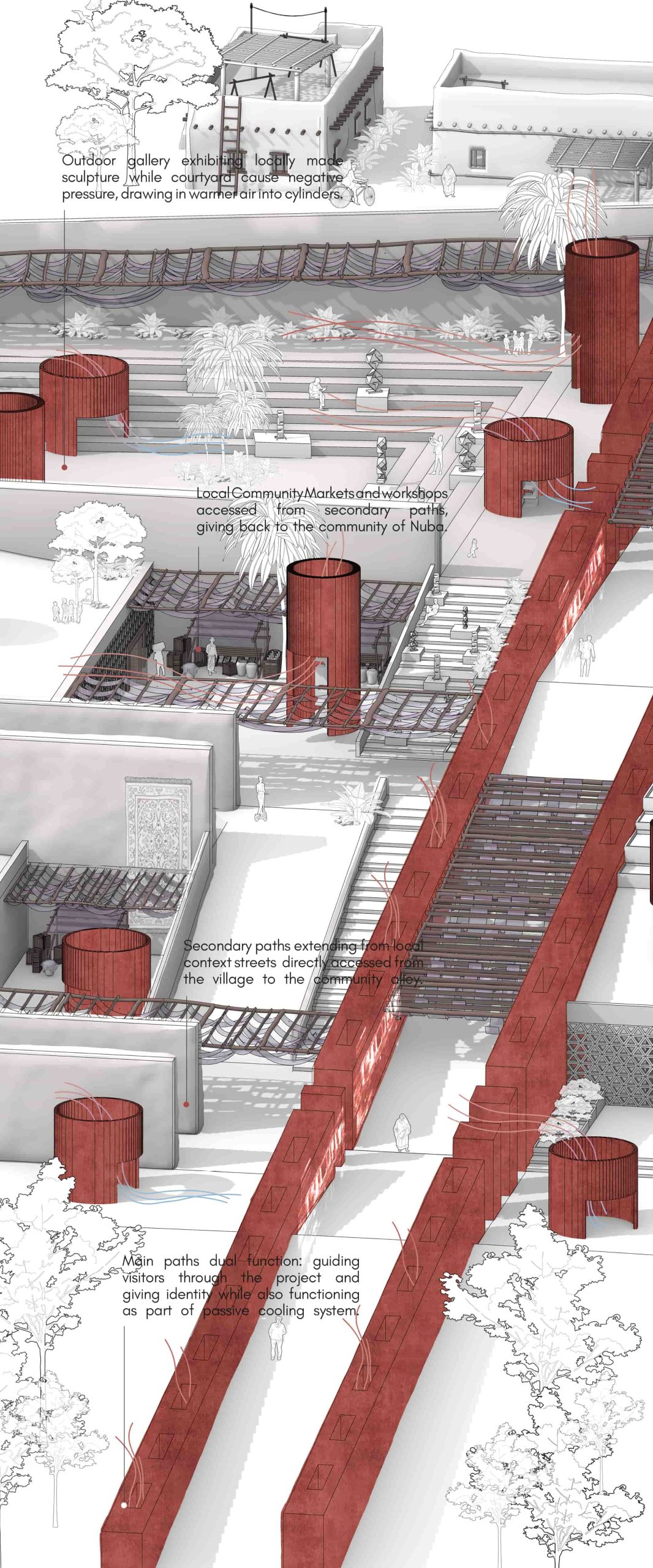
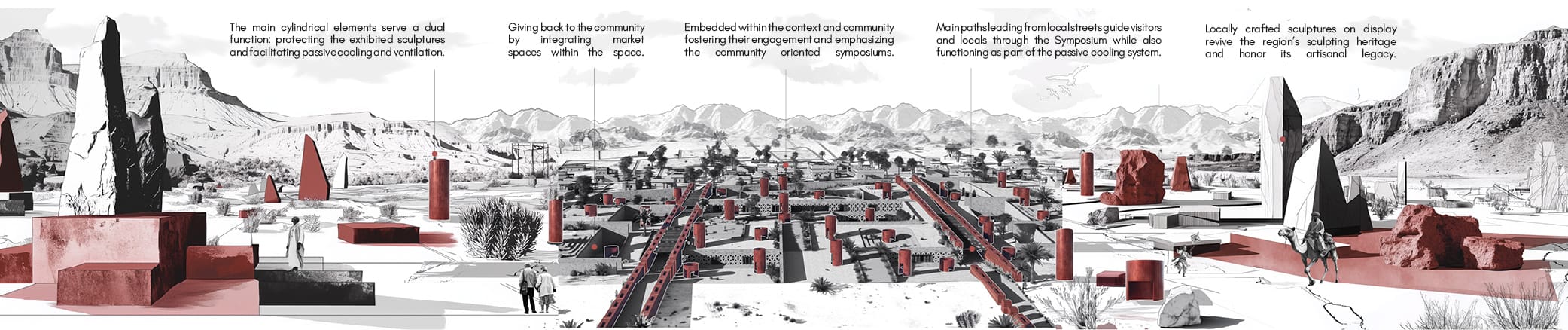
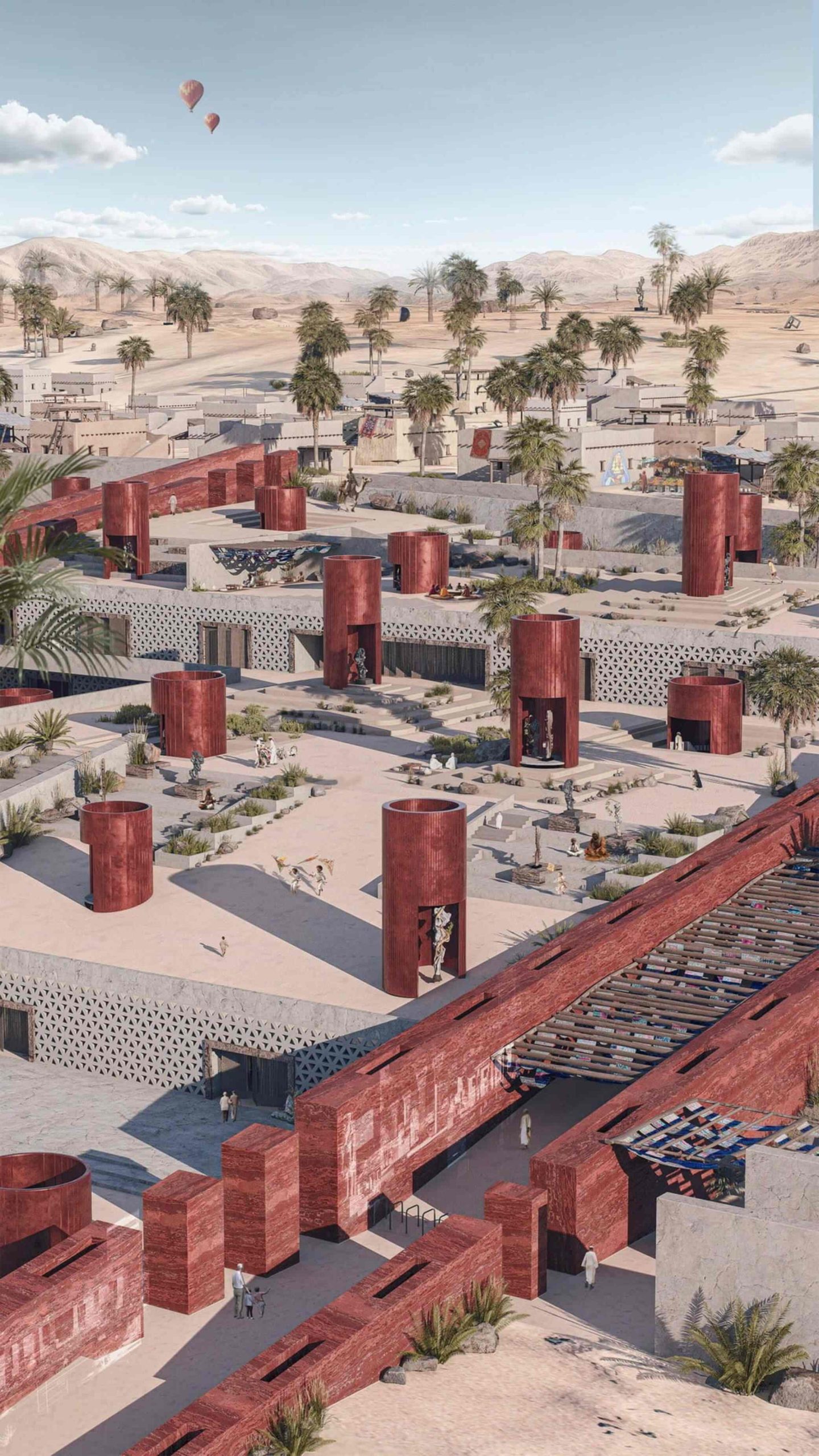
Located in West Suhail, the project is a community-oriented sculpting symposium that combines indoor and outdoor exhibition spaces, hands-on workshops, and public gathering areas. It not only fosters cultural exchange but also improves comfort by reducing microclimate temperatures by up to 10°C. Market areas further support the Nubian community and enhance local livelihoods. At its core is a passive cooling system using dual thermal exchange cylinders that serve as both sculptural displays and climate regulators. One cylinder exhausts hot air, while the other cools incoming air through the stack effect and negative pressure. Courtyards and path walls extend this system, channeling airflow and creating shaded, comfortable spaces that blend culture, community, and climate resilience. The Living Symposium project reimagines the role of architecture as both a cultural incubator and an environmental mediator. Rooted in West Suhail, a Nubian village in Aswan, the design celebrates local heritage while addressing the urgent climatic challenges of one of Egypt’s hottest regions. It merges art, community, and sustainability into a single living system.
At its heart, the project is more than a sculpting symposium; it is a multifunctional platform for cultural exchange, education, and livelihood. The design integrates indoor and outdoor exhibition spaces, sculpting workshops, and market areas that empower the local Nubian community economically and socially. This dual role—honoring artistry while uplifting community life—positions the project as a catalyst for long-term social impact.
Equally important is its environmental innovation. The project employs a passive cooling prototype that harnesses natural ventilation, evaporative cooling, and shaded circulation to create a microclimate that mitigates Aswan’s extreme heat. By doing so, it reduces energy reliance and offers a replicable model for climate-responsive design in arid contexts. The Living Symposium is a sensitive intervention that respects the Nubian landscape and cultural identity. It safeguards Nile views deeply valued by locals while extending an open, welcoming public realm. Its fusion of art, ecology, and community empowerment demonstrates how architecture can transcend aesthetics to become a living framework for resilience, inclusivity, and cultural continuity. This project offers a holistic vision of design—one that is locally grounded, socially transformative, and environmentally forward-looking.