

University : University of Baghdad
Tutor(s) : Ghada Kamoona
Project Description
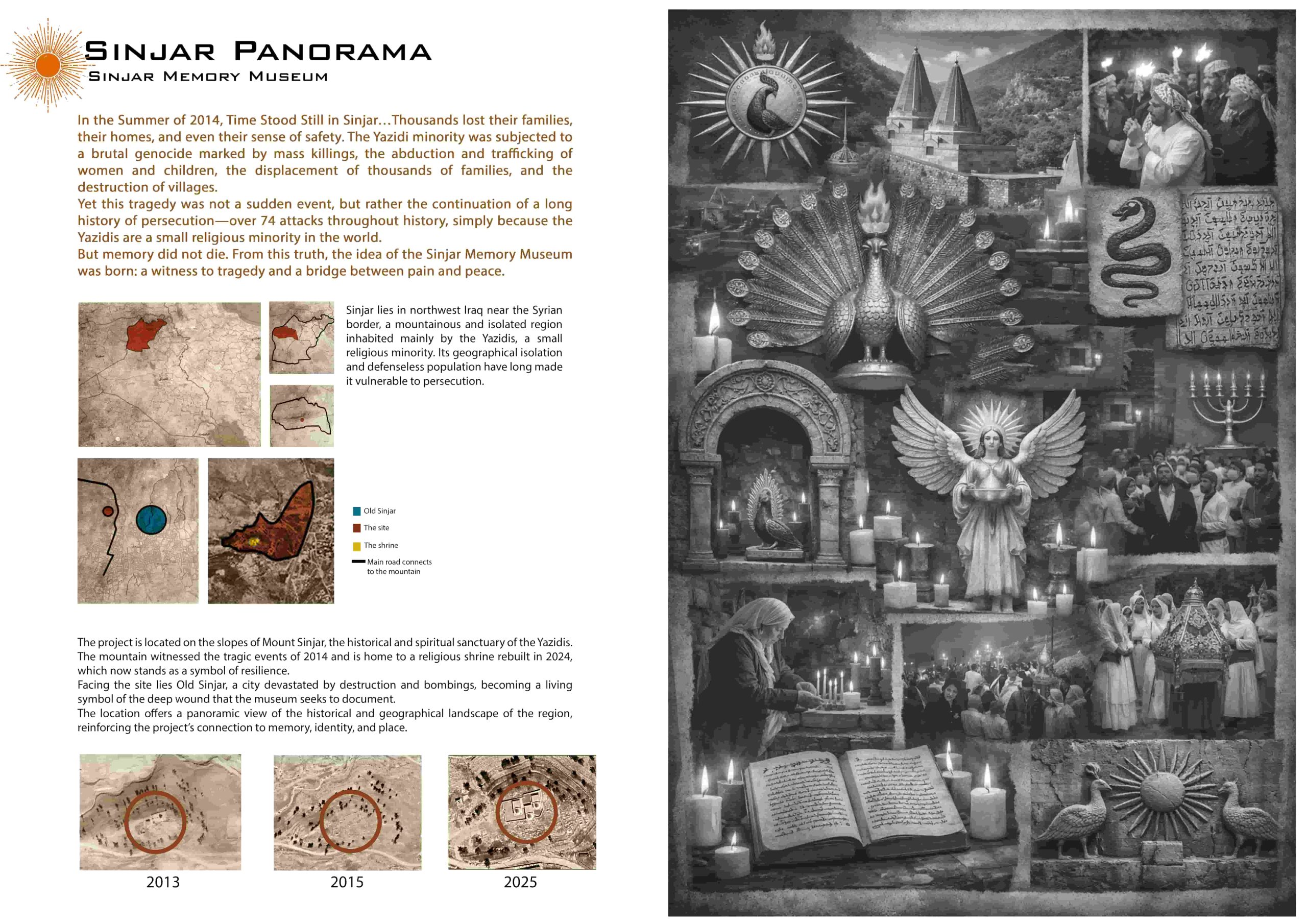
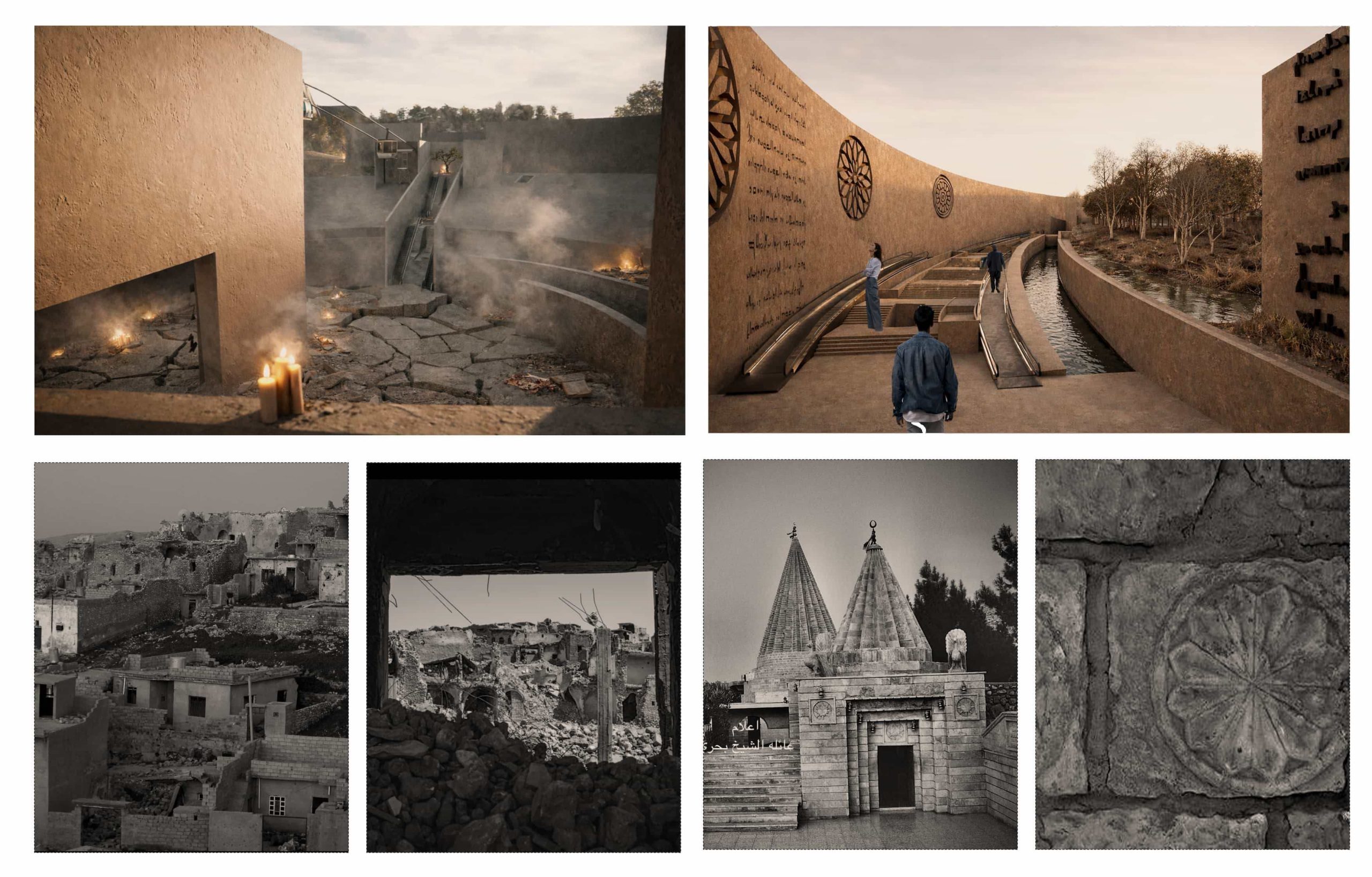
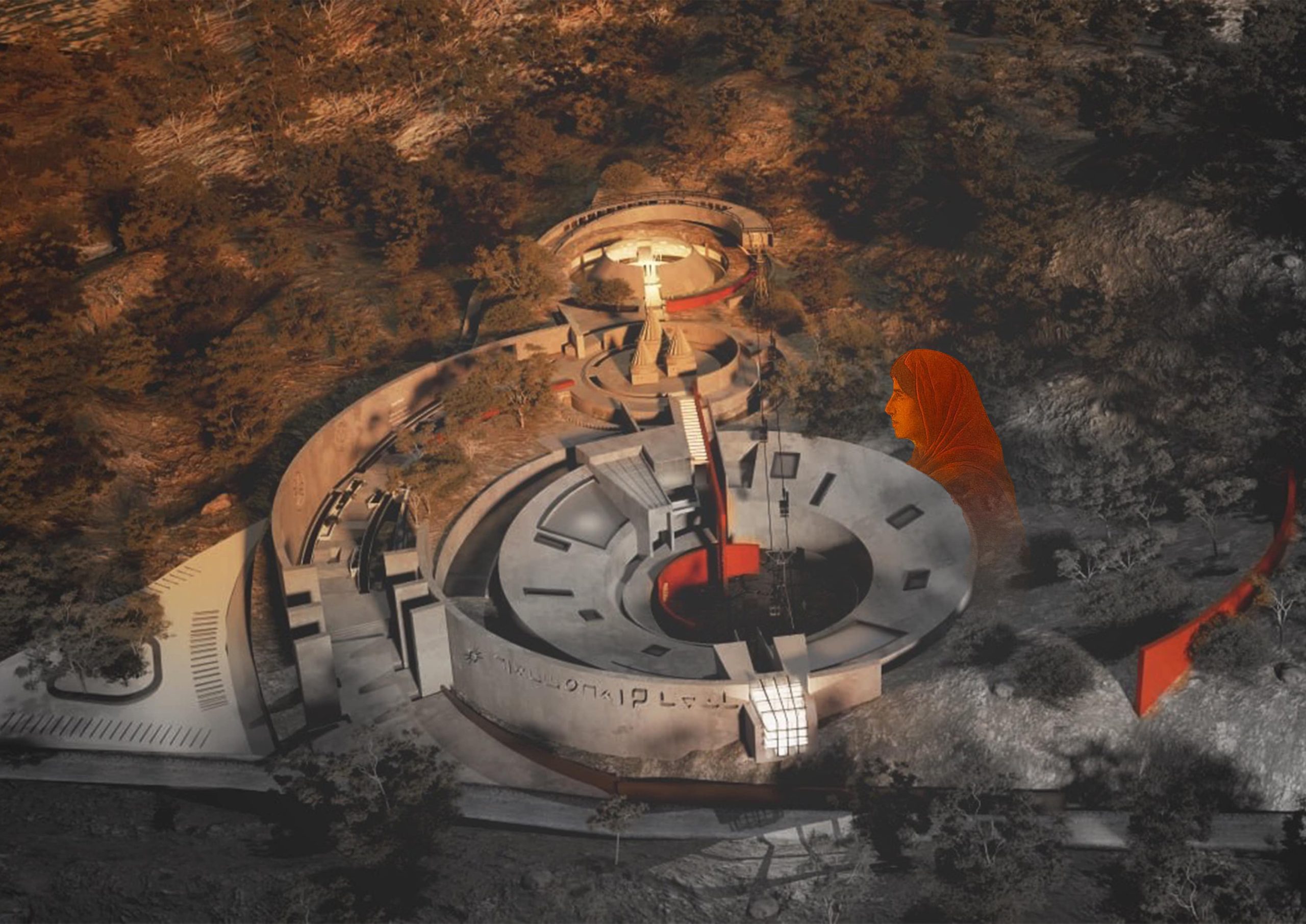
Sinjar Panorama presents the story of the Yazidis, an ancient religious community among the oldest in Iraq. For centuries, they lived in harmony with nature, connected to their land and mountains, practicing spiritual rituals linked to the sun, water, and earth. Their life was simple, based on agriculture, traditional crafts, and peaceful coexistence.
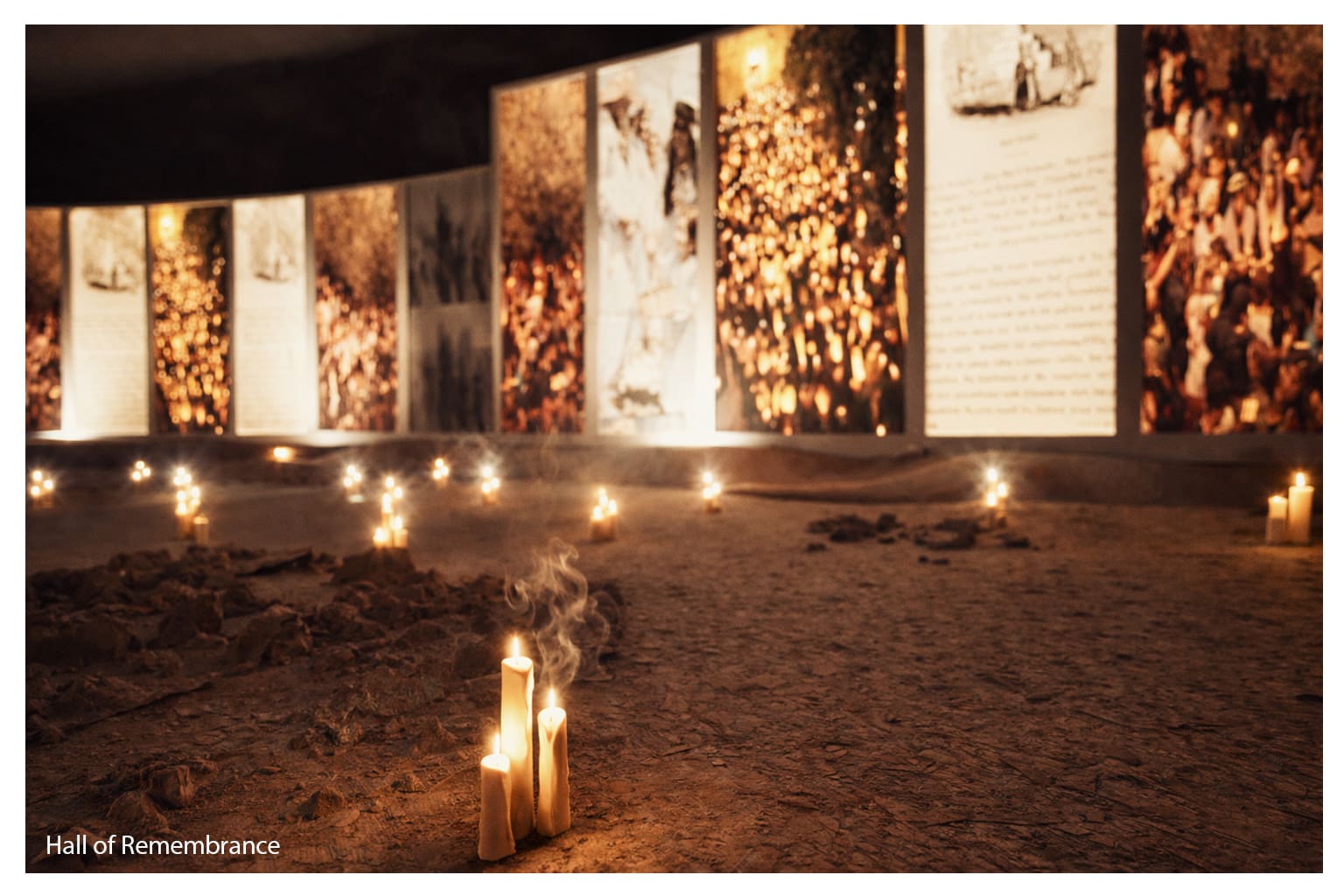
This stability was tragically disrupted in 2014, when the Yazidis faced genocide, including mass killings, the abduction of women and children, forced displacement, and the destruction of villages and religious shrines. These events shattered the social fabric, destroyed the sense of safety and belonging, and left deep wounds that persist today.
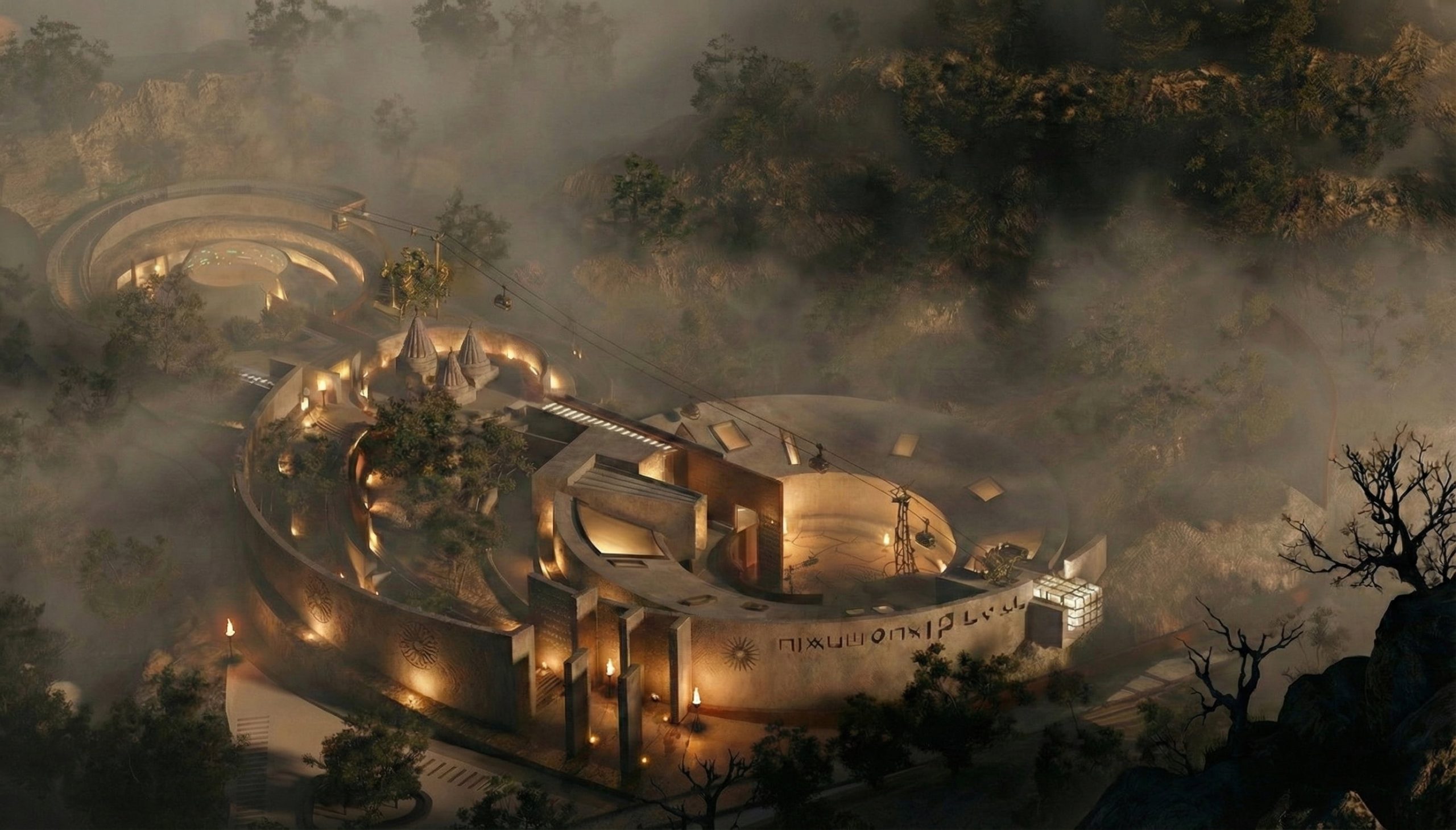
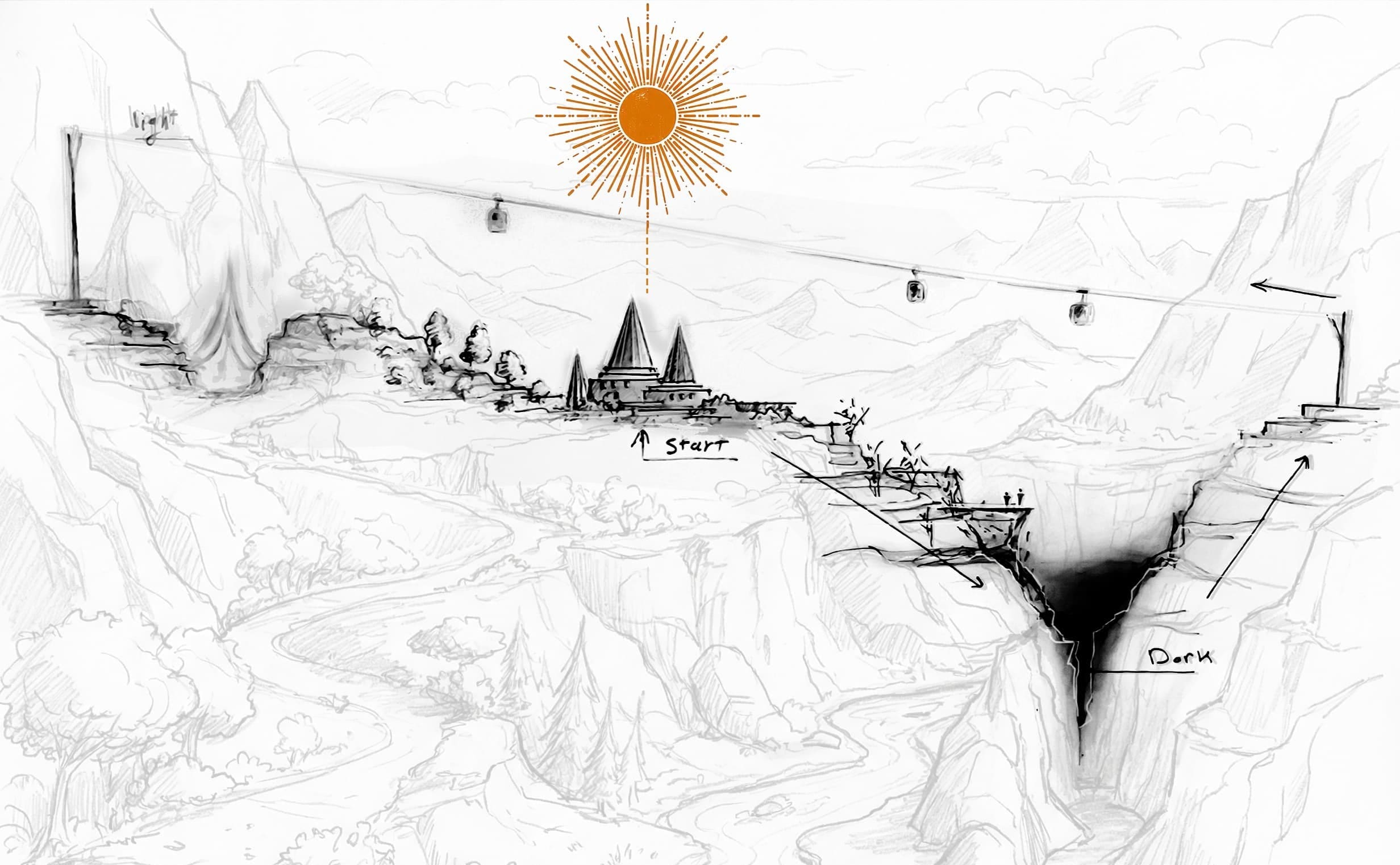
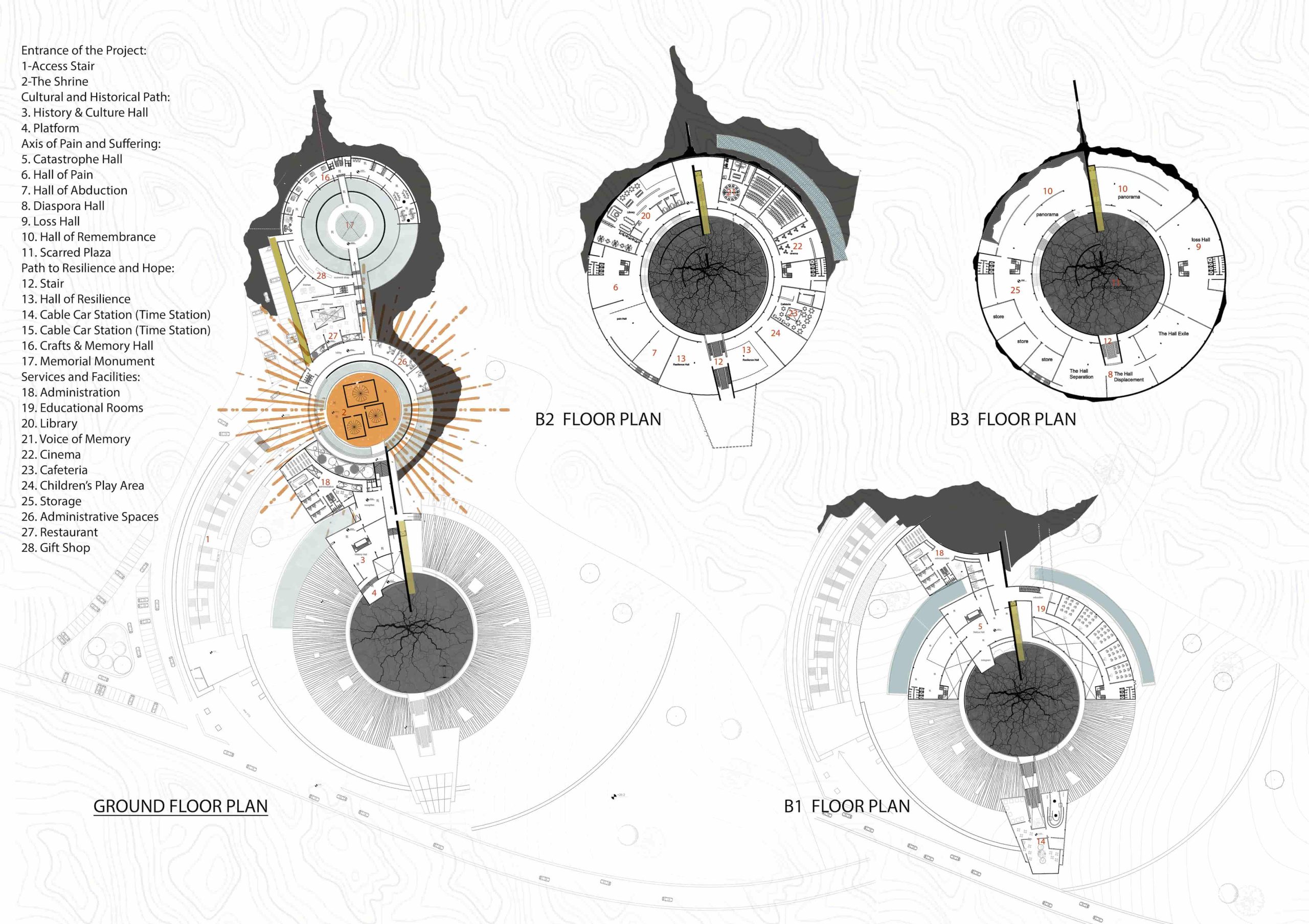
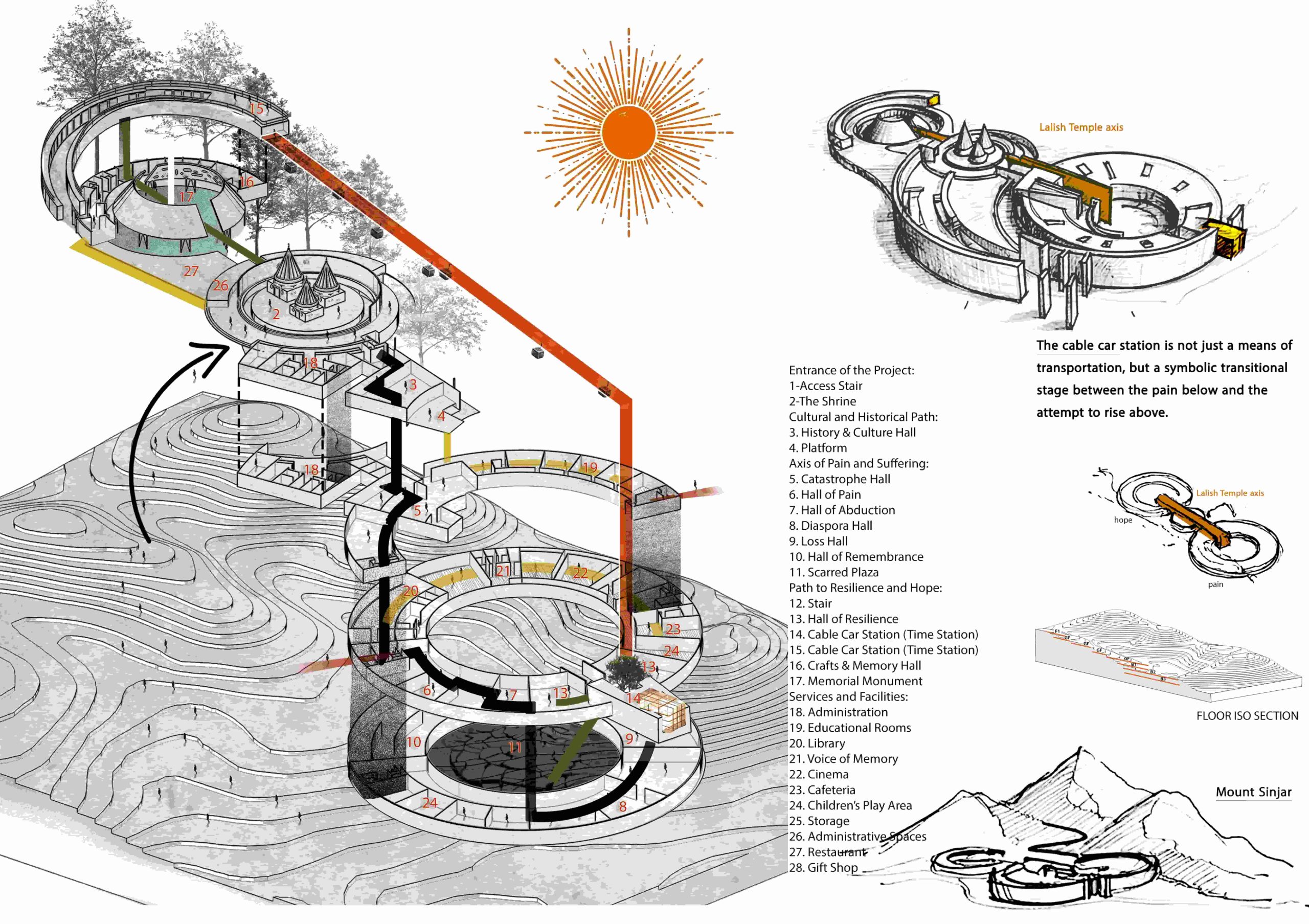
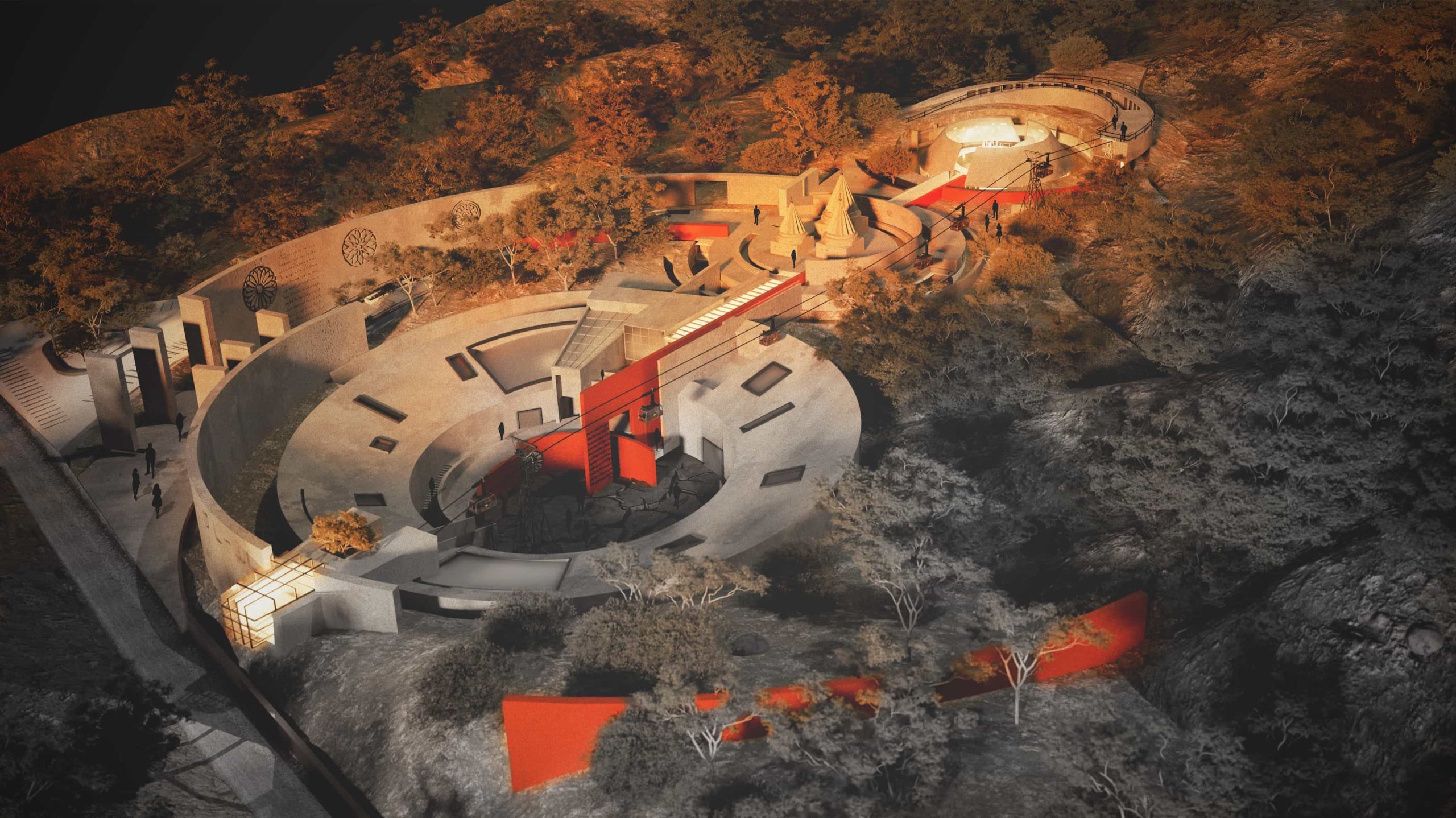
The Sinjar Memory Museum emerges from this tragedy as a spatial and temporal journey reflecting the transition from peaceful life to the shock of genocide, and then toward resilience and the search for peace. The project is located on the slope of Mount Sinjar, a symbol of protection and a historic refuge, making the site itself part of the architectural narrative.
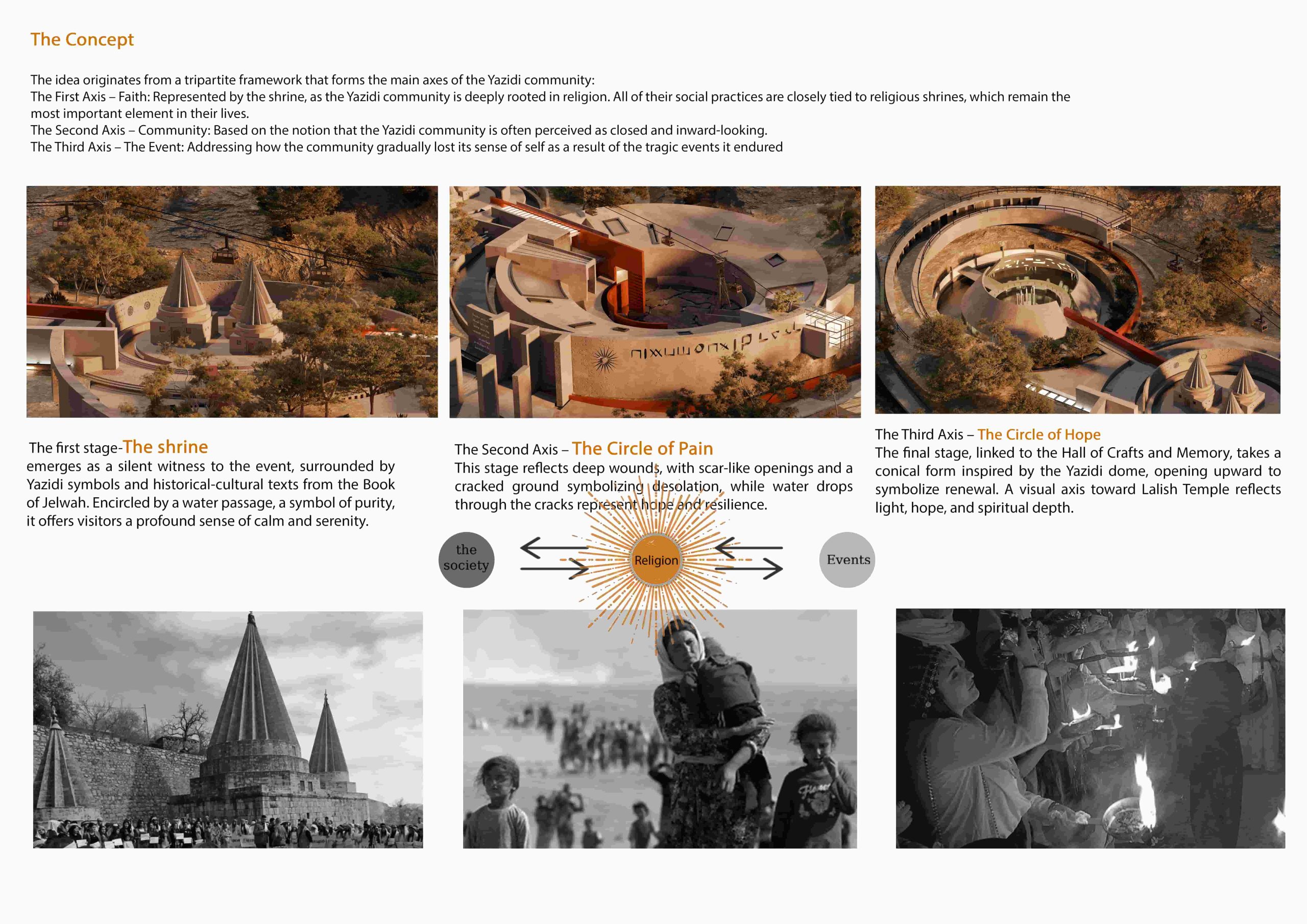
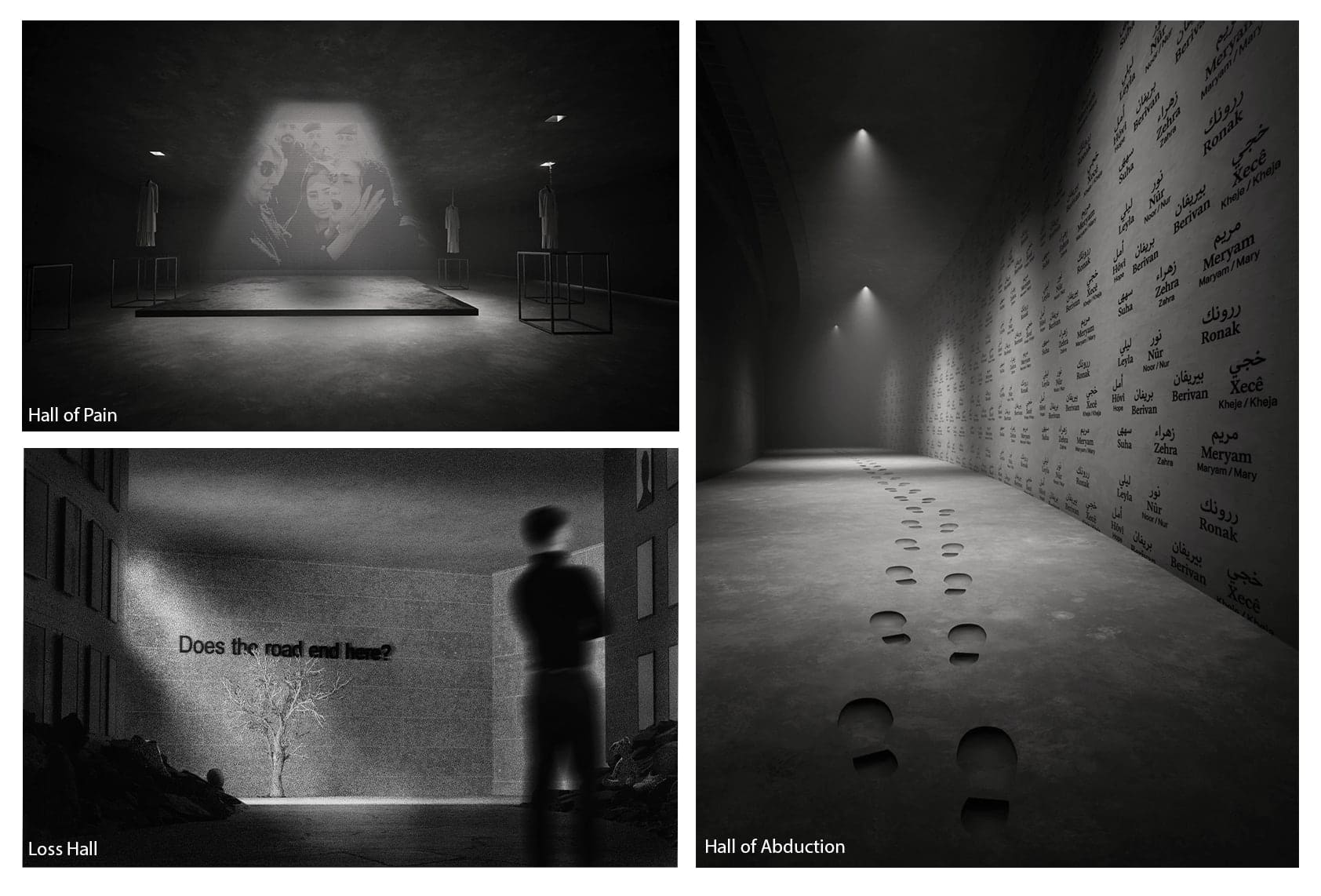
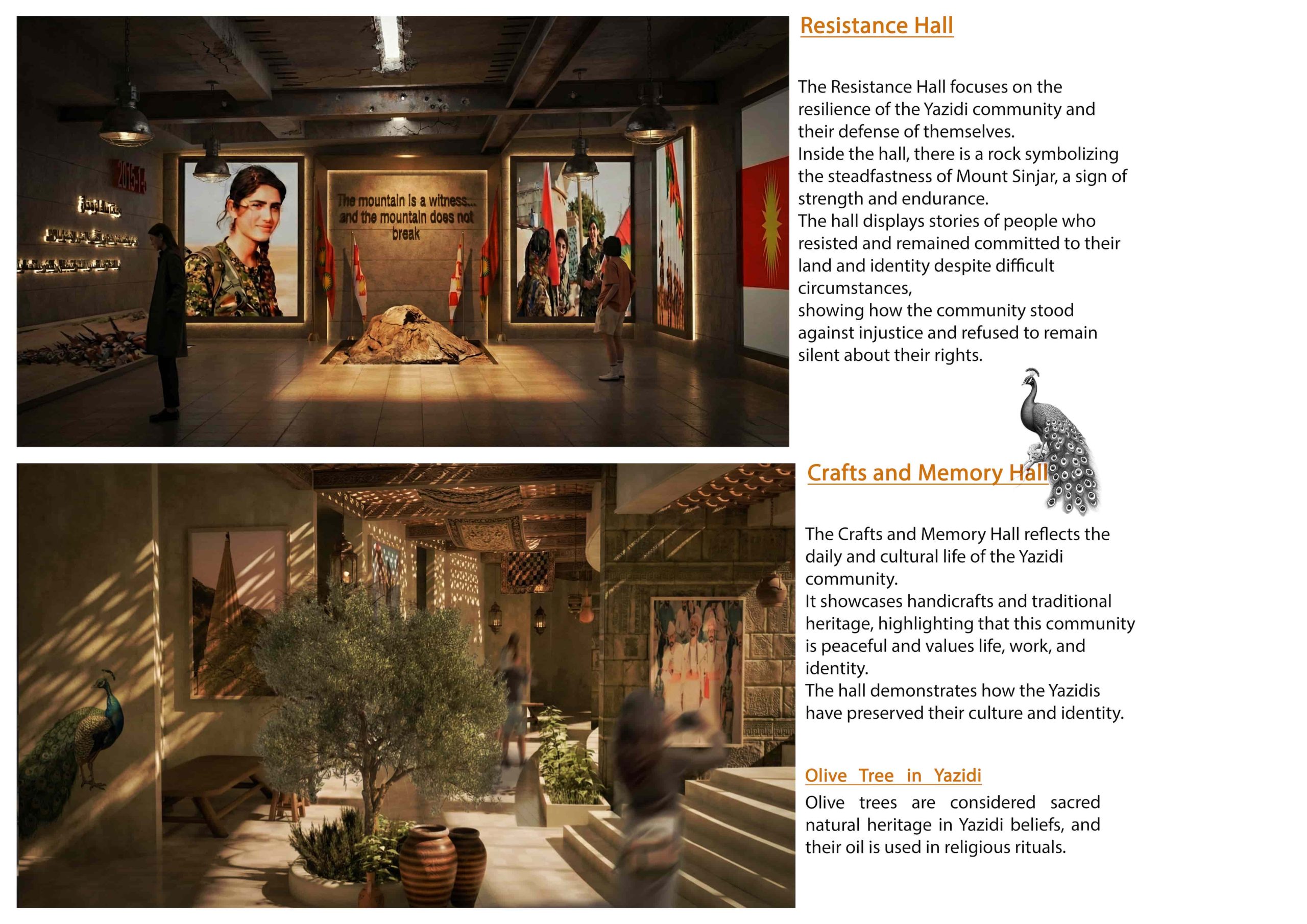
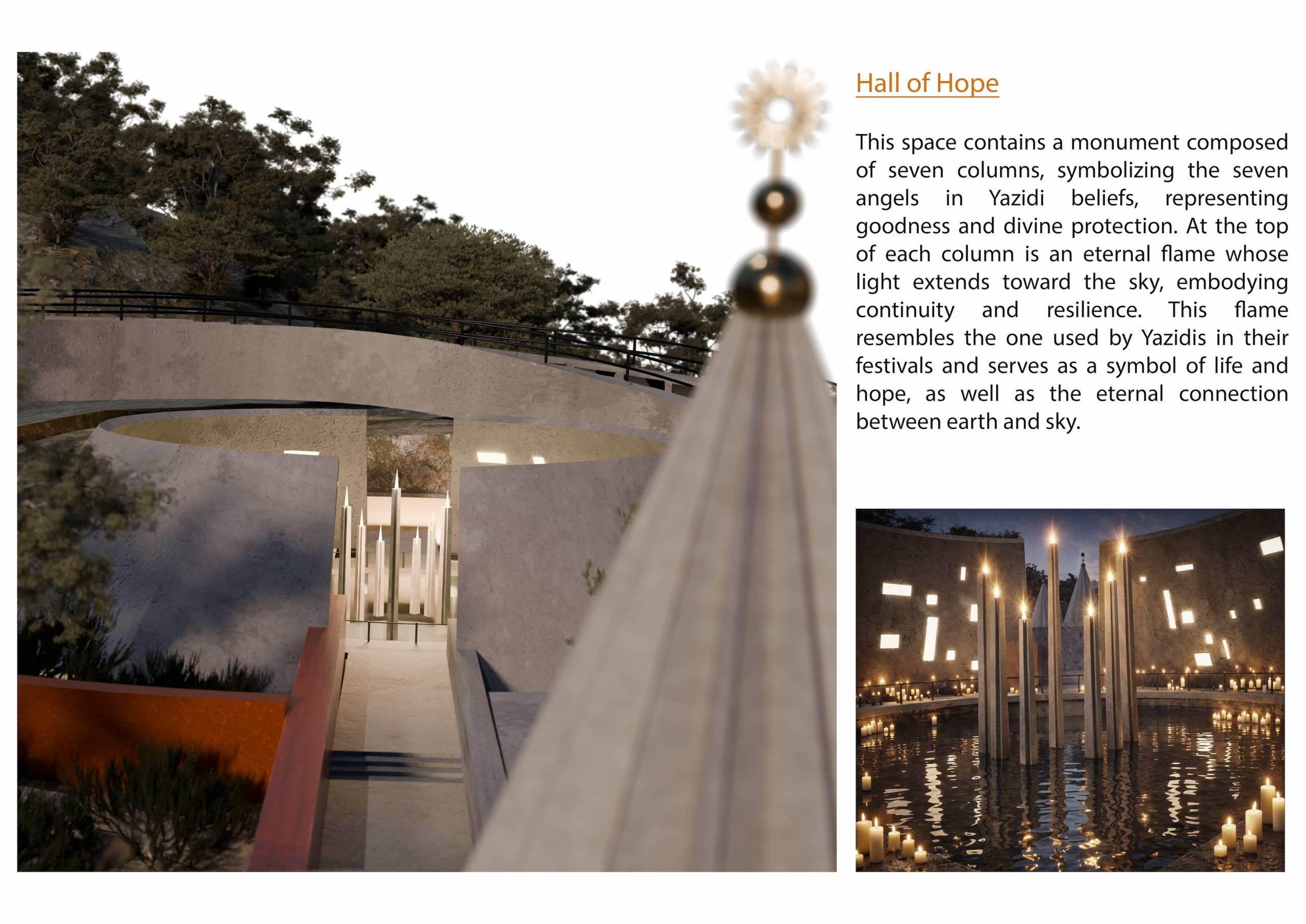
The museum’s circulation guides visitors through spaces that document history, pain, loss, and displacement, gradually leading toward areas that express hope and cultural revival. The project is structured around three main ideas: religion as the beginning, where the shrine stands as a silent witness; pain, expressed through architectural voids as physical scars; and hope, represented by the Crafts and Memory Hall, an open space symbolizing renewal and peace.
Ultimately, the museum becomes an architectural message that preserves memory and transforms collective pain into peace.
Established in 2012, Tamayouz Excellence Award is an unaffiliated, independent initiative that aims to advance the profession of architecture academically and professionally. Tamayouz is dedicated to supporting aspirational and transformative projects that tackle local and global challenges and that are informed by a holistic understanding of context.