








University : TISHK International University
Tutor(s) : No‘man Bayati
Project Description
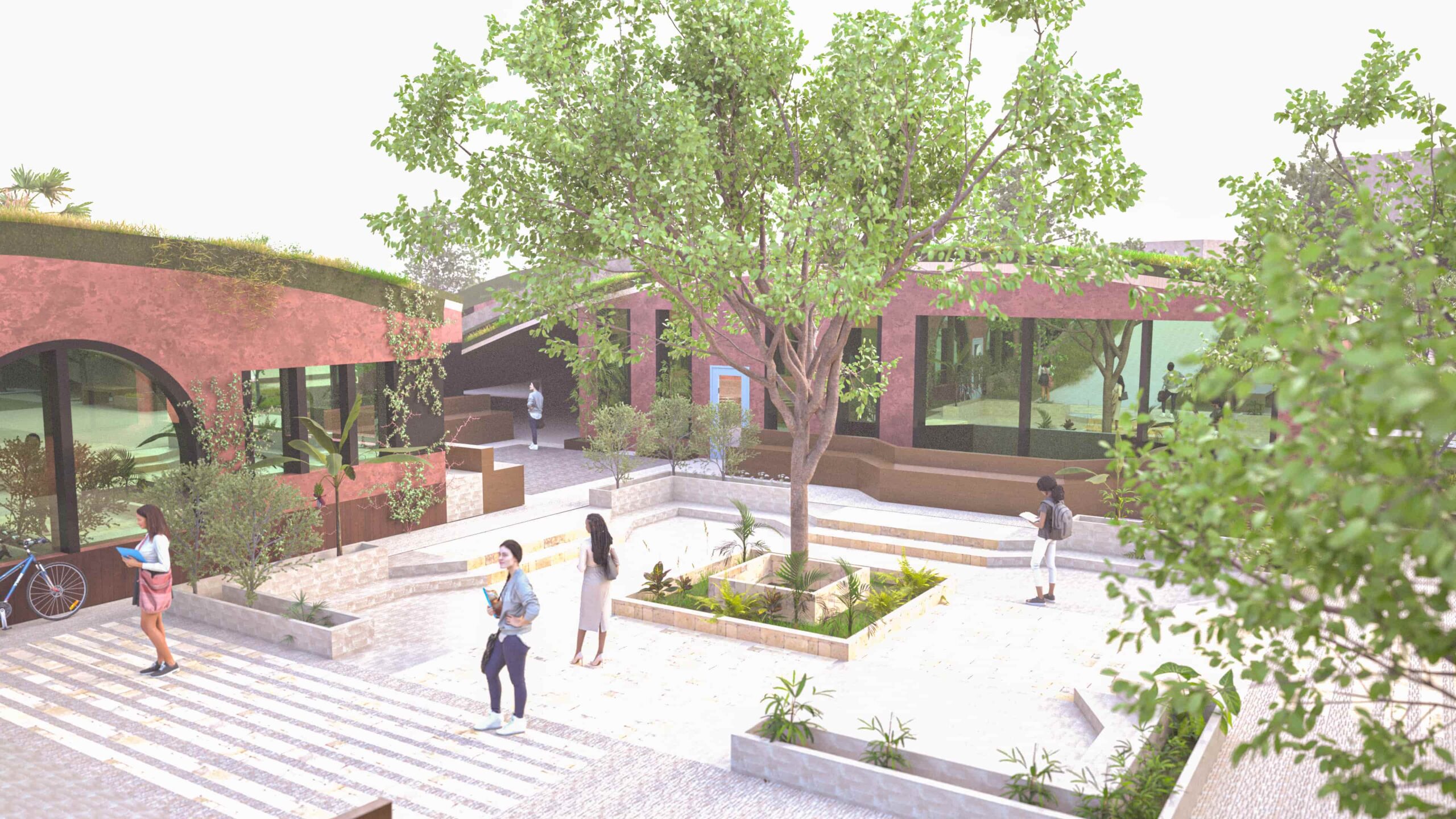
The suggested project is a student residence building around the site that is located in Mosul, making it a Suitable area for such project. The site is educational having the technical agriculture college and a rectorate on either of its sides, therefore it requires a dormitory to fill in the need to house students. And as to why this particular type of project is chosen, it is because the city of Mosul lacks student accommodation.
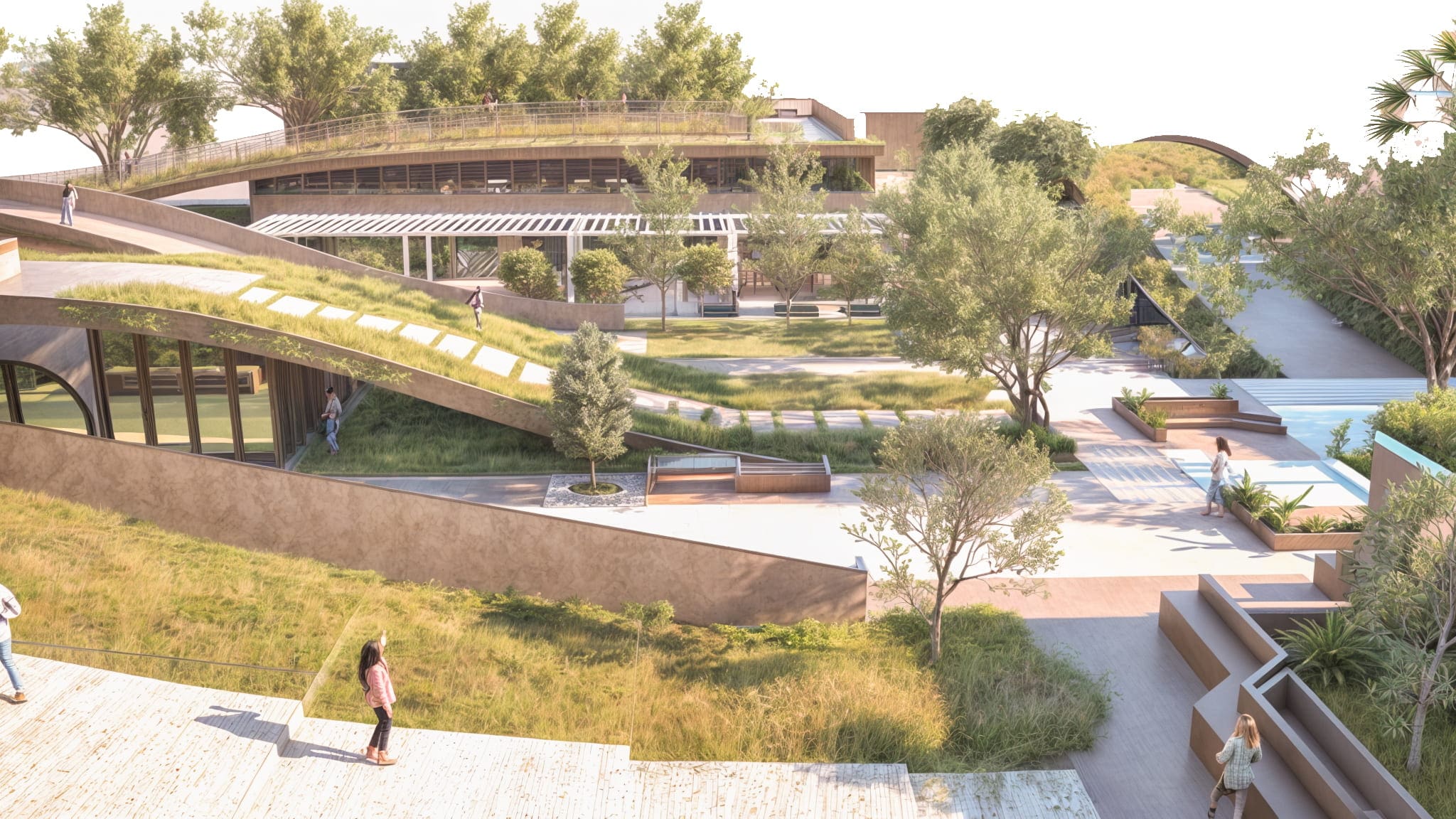
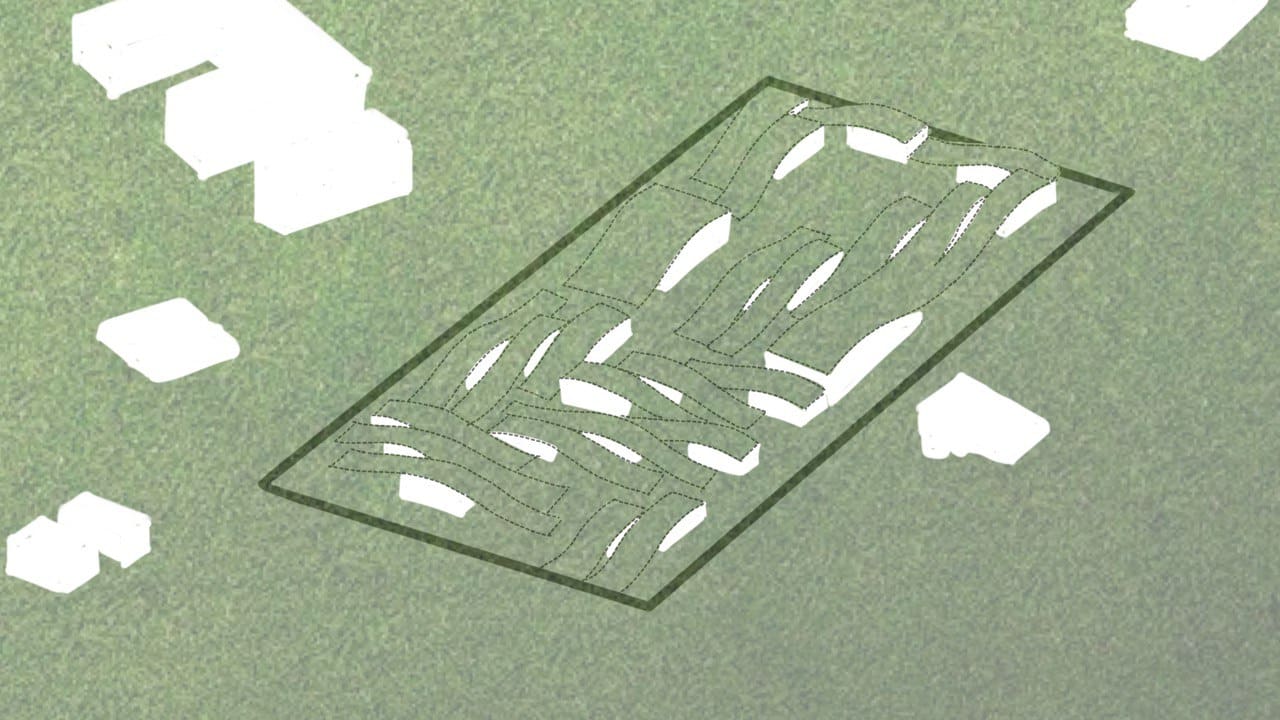
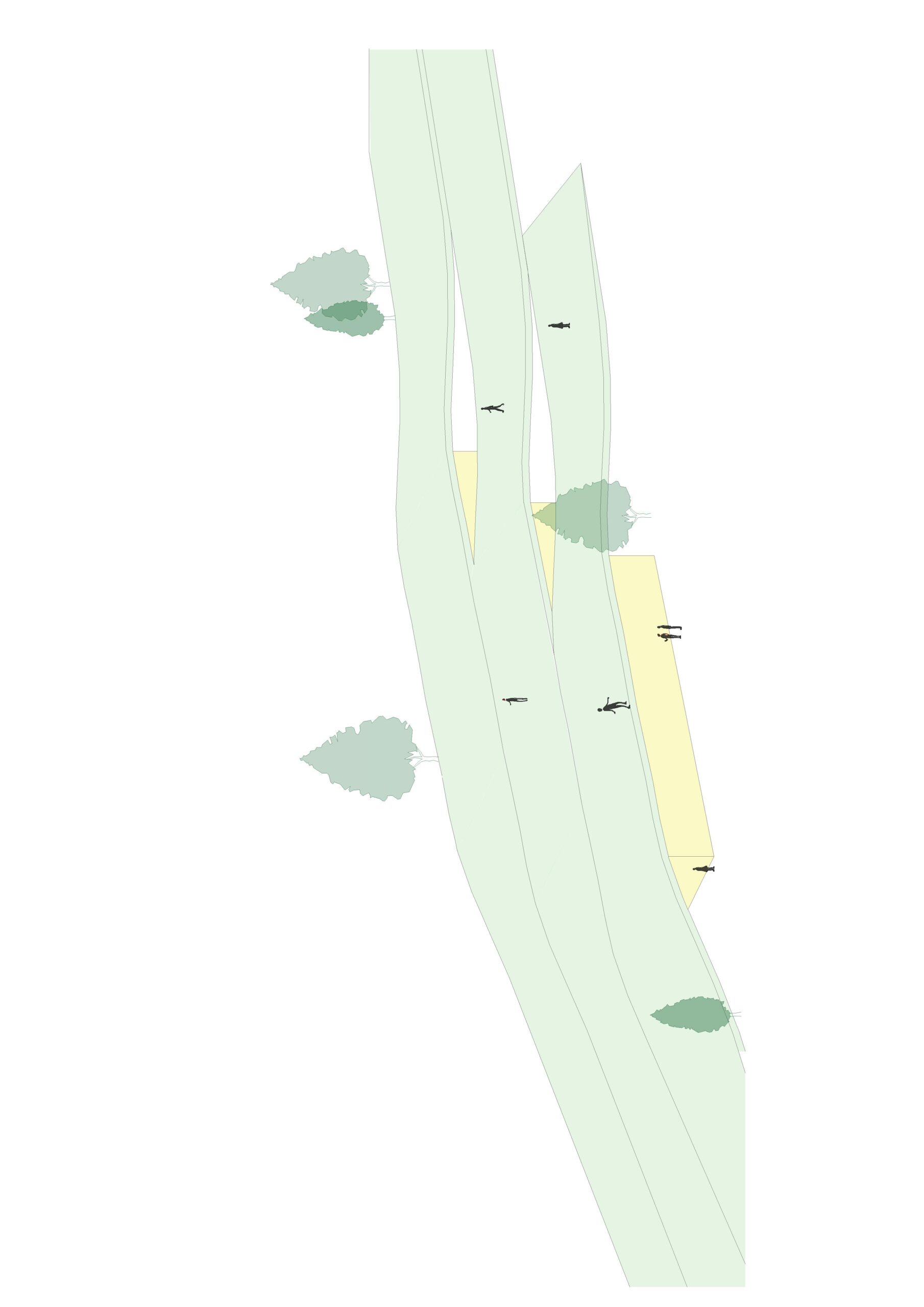
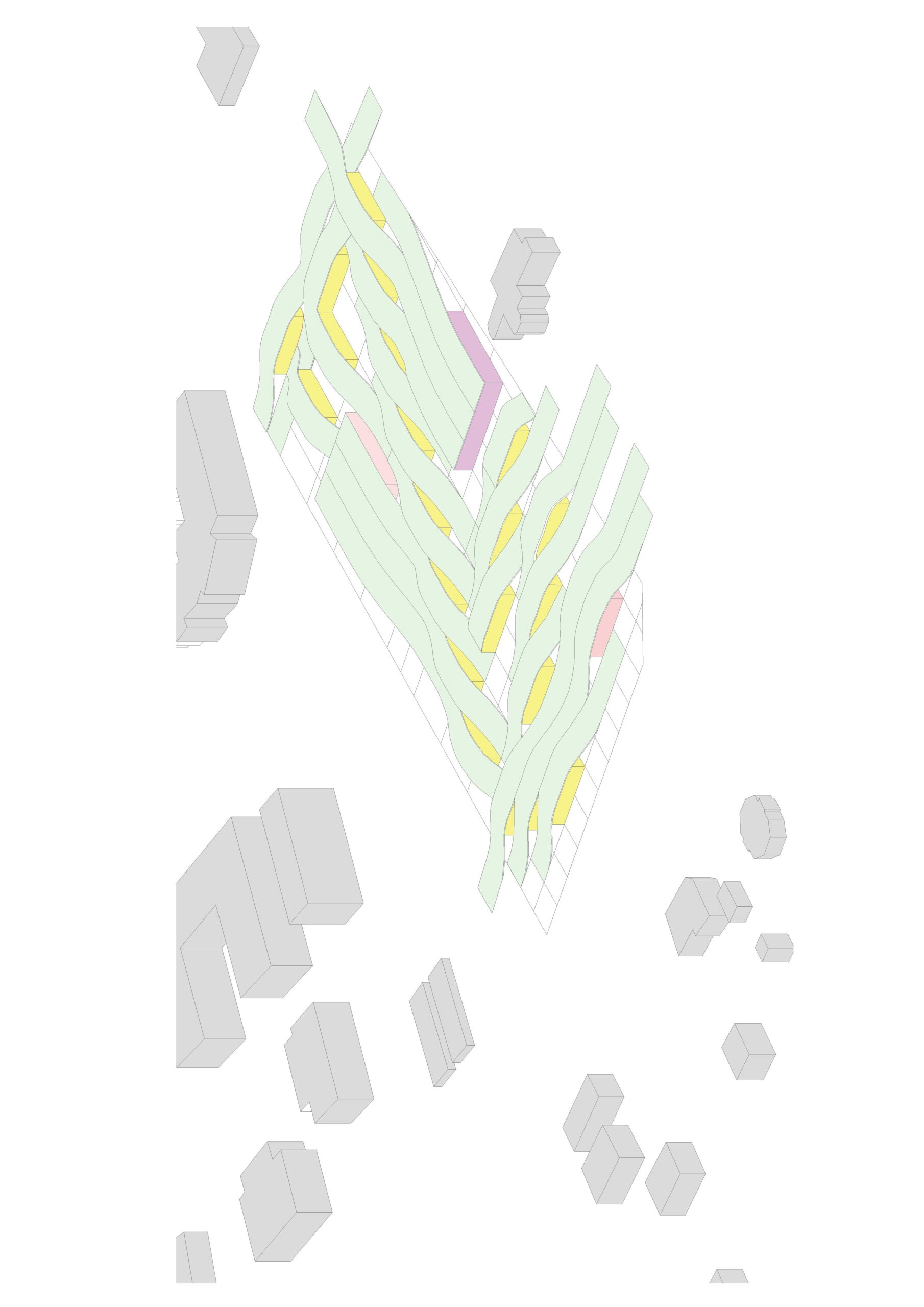
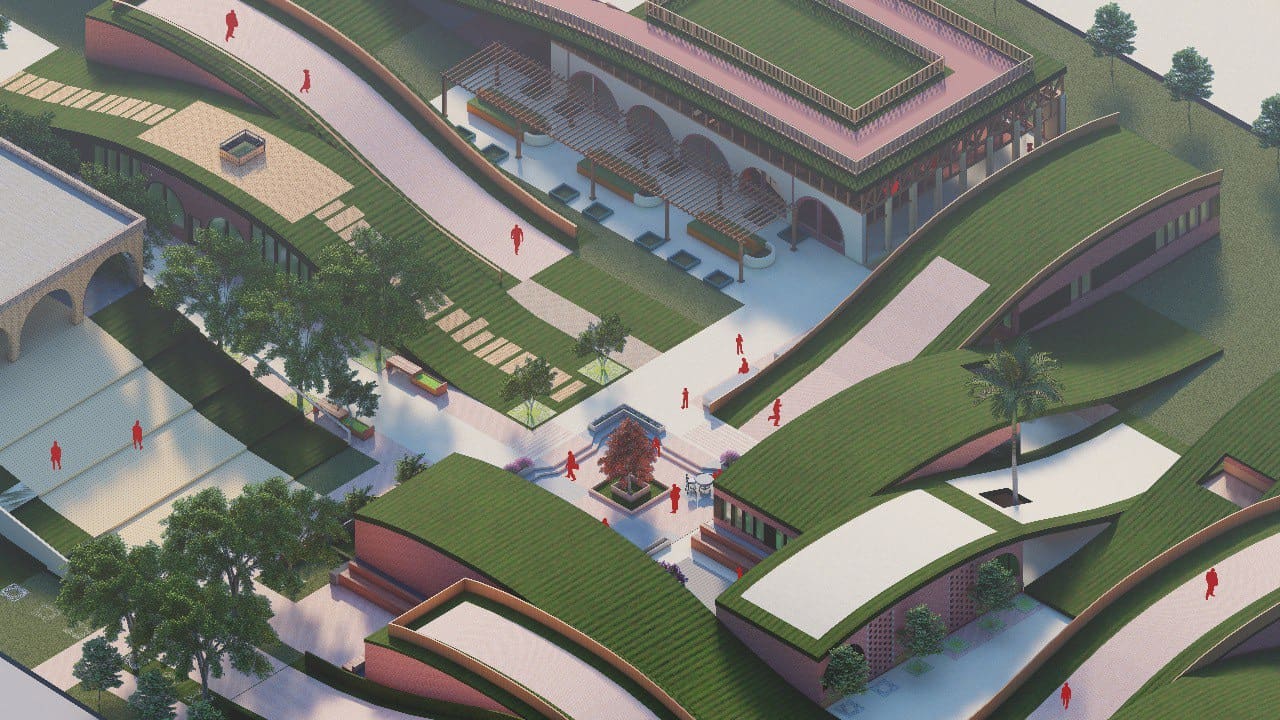
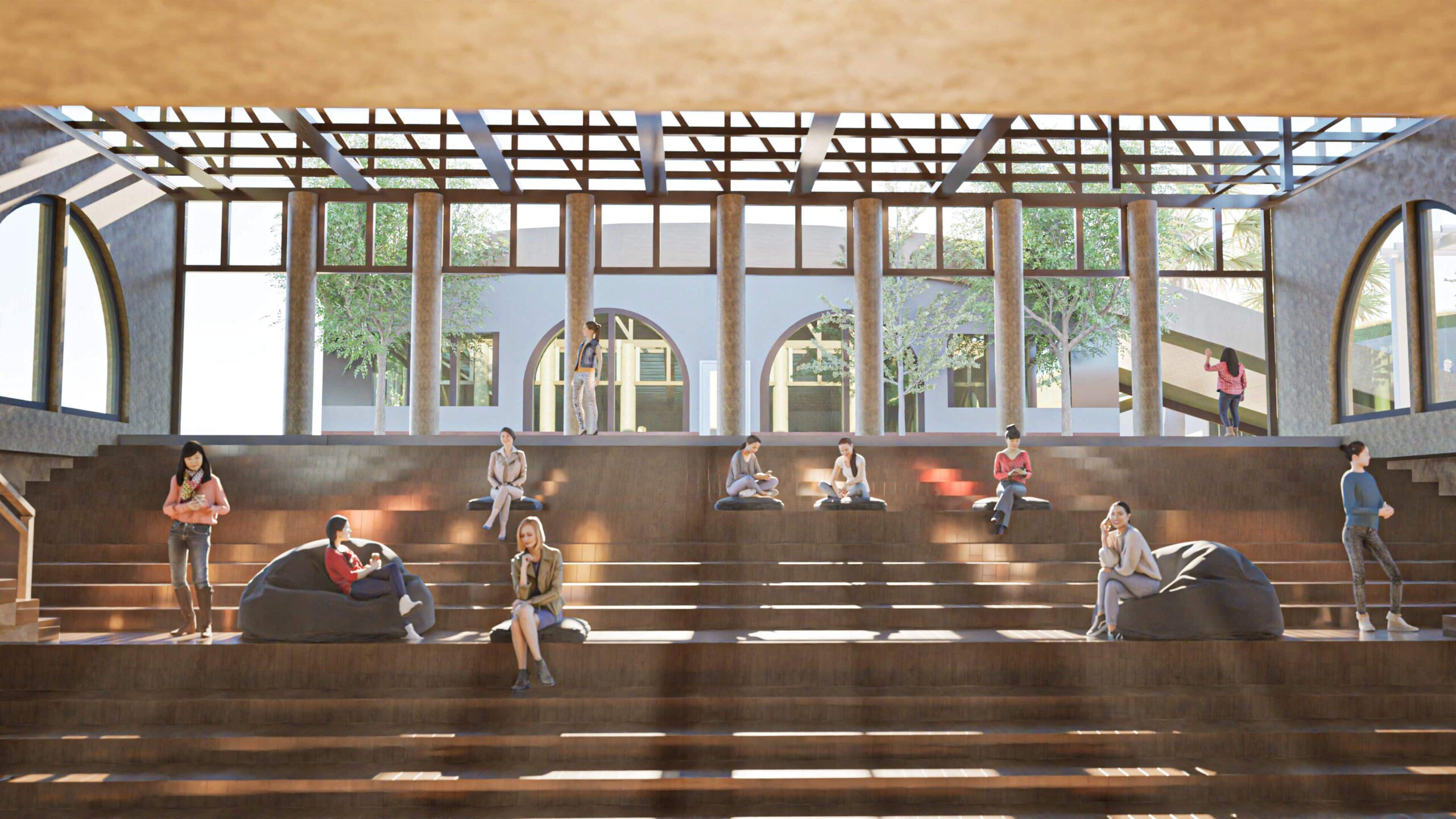
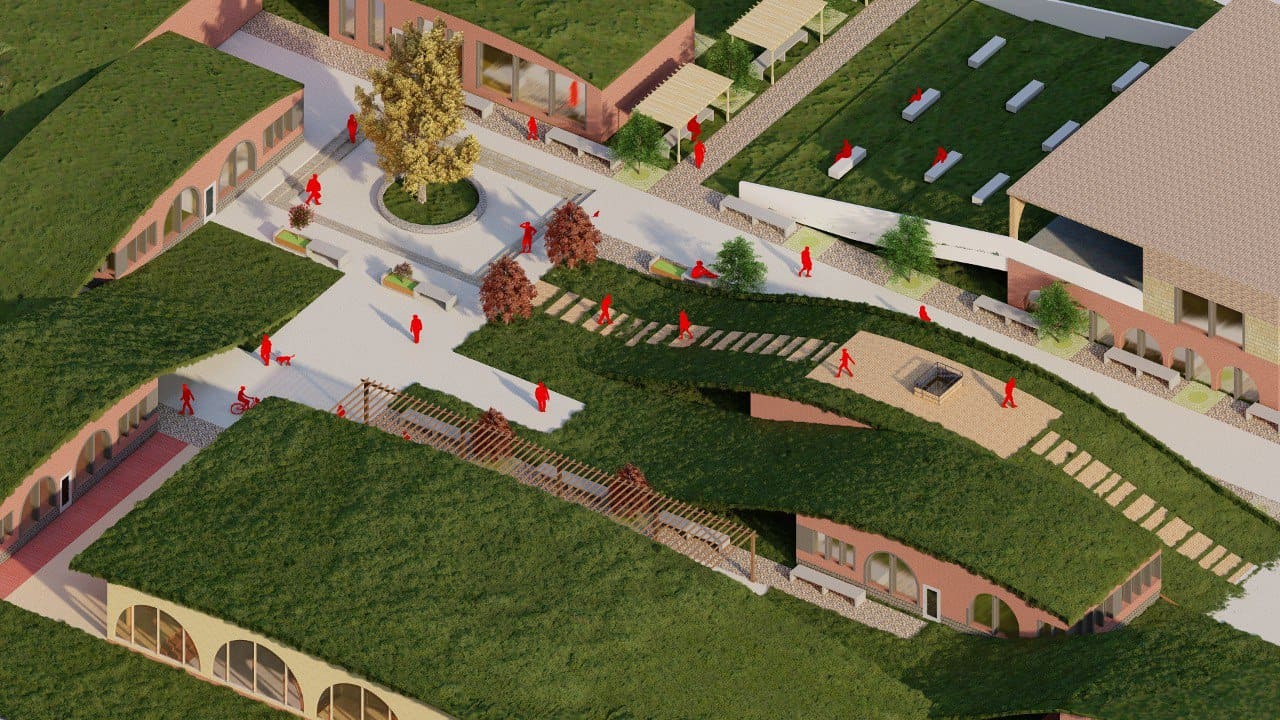
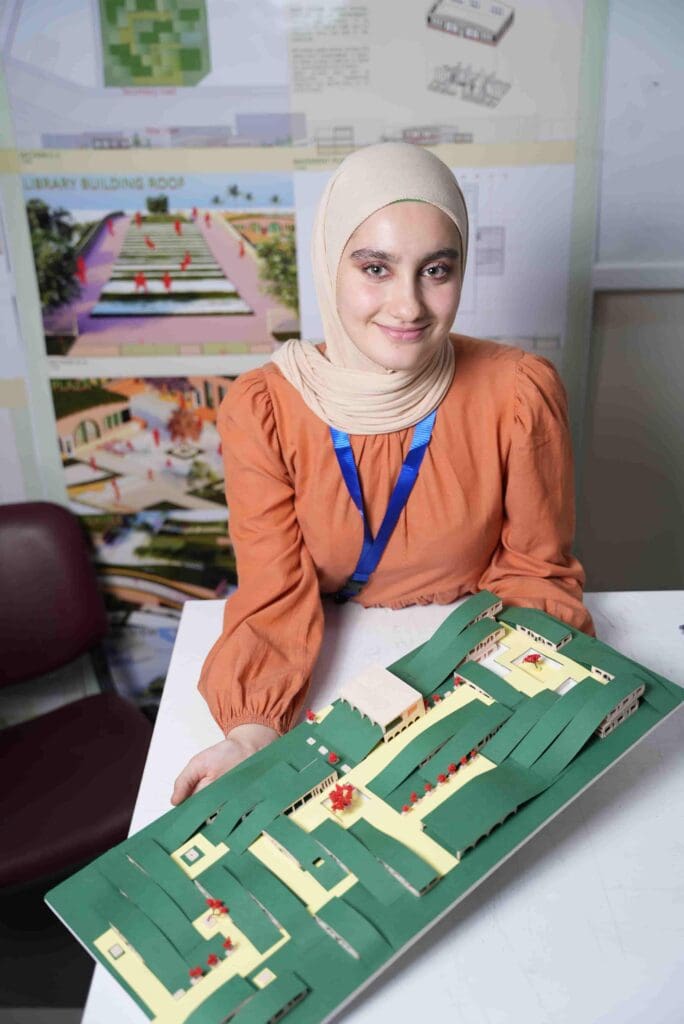
The project goal is to provide residence for students who will study in the nearby colleges. Coming from outside of the city and across Iraq. Make a lively space for students to gather, communicate and collaborate, Therefore, it is the projects’ goal to Create a diverse environment for students all over Iraq to be able to get together, and work on their common projects. Ensure cohesion and social inclusion through common spaces and breakout areas to surround them, while maintaining their privacy as well as their quality of living. The site was the portal to generating a concept to accommodate students, it is not to invert, swerve or distract the site from containing the program, it is to include it in the best way possible. For the most part, it is an attestation of the site properties and how can one take advantage of it without being an evil capitalist. With this in mind, the idea was to raise he ground and lay the units individually under it. Resulting in smaller units with weaves covering them. Moreover, the units were divided within the site along a grid, dividing them further into 29 separate units. Various grids were tested, one was chosen that was fit to the preferred area of unit as well as space for pedestrian access. By any standard, a comfortable layout is demanded. The layout differs in the shared bathrooms, in which this preliminary layout allowed shared bathrooms as well as a median kitchen. conceptual mind of a student is highly affected by the area they are surrounded by. furthermore, the project focuses on two aspects, the functionality and the form. The functionality of the project is shown in the arrangement of units, and within the units the placement of rooms. Fitting 216 students. Meanwhile, the formal aspect of the project is pivoted around the placement of units upon the grid, with openings, closures and level difference. Another feature added to this project is the accessibility of the roofs, that is a fun way to walk around the realm of students, all gathered up to view their houses from above. The Guidelines that need to be followed is not to hinder the users of the project to access to their rooms access to their rooms. weaves covering each unit, intertwined within a grid that forces a knit-like composition. Buffer spaces, such as plazas and open paved grounds, piercing the arranged units with spaces for interplay. Many ideas were proposed to insert an interesting aspect to the library, to give it justice, and importance. Openness to knowledge was the main points we could deal with when it came to the form. fronted by a plaza to act as a gathering place when done with the library. The accessible roofs were only possible due to the layers of protection and insulation laid upon each other to create a durable finish for the roof as well as to safely protect the green roof from drying. A layer of polyurethane that is unique in its properties. The versatility lies in its many forms, that is either a foam or as a hard board or a spray foam. the foam form, adds durability to the construction of the wall, with its long lifespan. This way, the protection of the interior and exterior air quality is preserved, while maintaining the visual and functional aspects intact. The diagram similarly shows the layout in 3D, with the rooms as well as the kitchenette and the living space.
Established in 2012, Tamayouz Excellence Award is an unaffiliated, independent initiative that aims to advance the profession of architecture academically and professionally. Tamayouz is dedicated to supporting aspirational and transformative projects that tackle local and global challenges and that are informed by a holistic understanding of context.