
University : Hanyang University
Tutor(s) : Seyeon Bae
Project Description
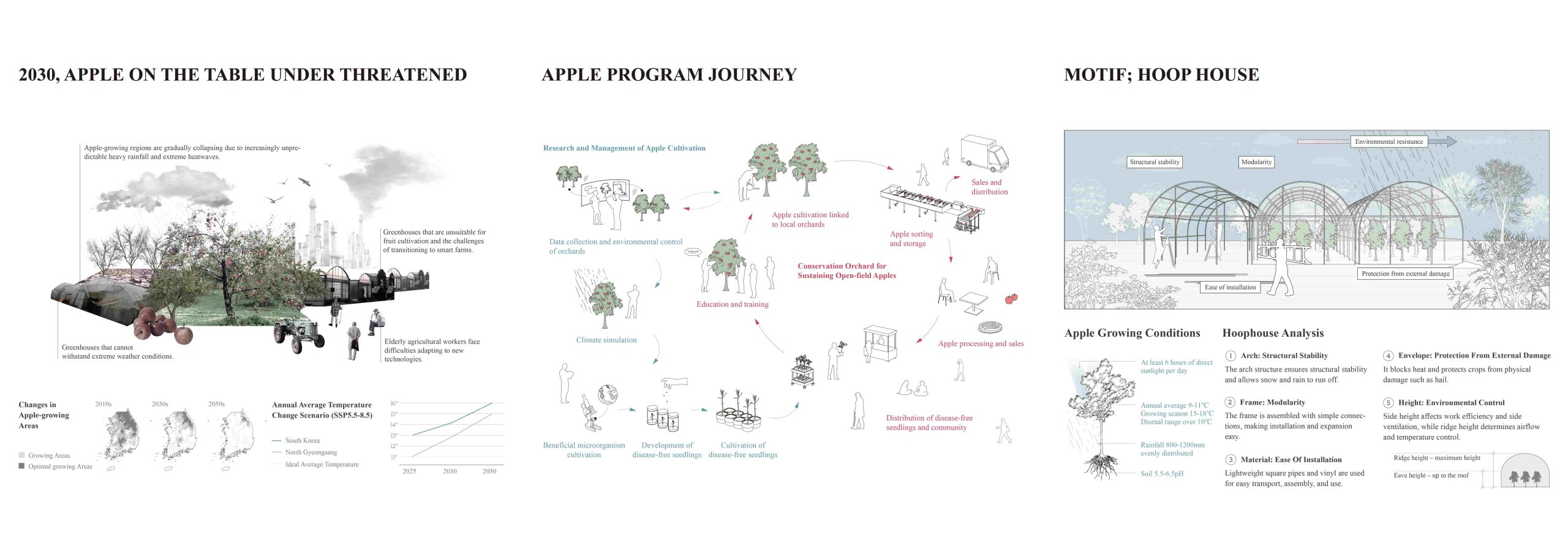
Due to climate change, apples, once the most common fruit in South Korea, may become difficult to find by 2030. Apples are culturally and agriculturally significant, especially in Gyeongsangbuk-do, the primary production region. However, rising temperatures and extreme precipitation are eroding the ideal conditions for apple cultivation. This decline is more than an agricultural issue; it threatens the regional ecosystem, farmers’ livelihoods, and the survival of local communities.
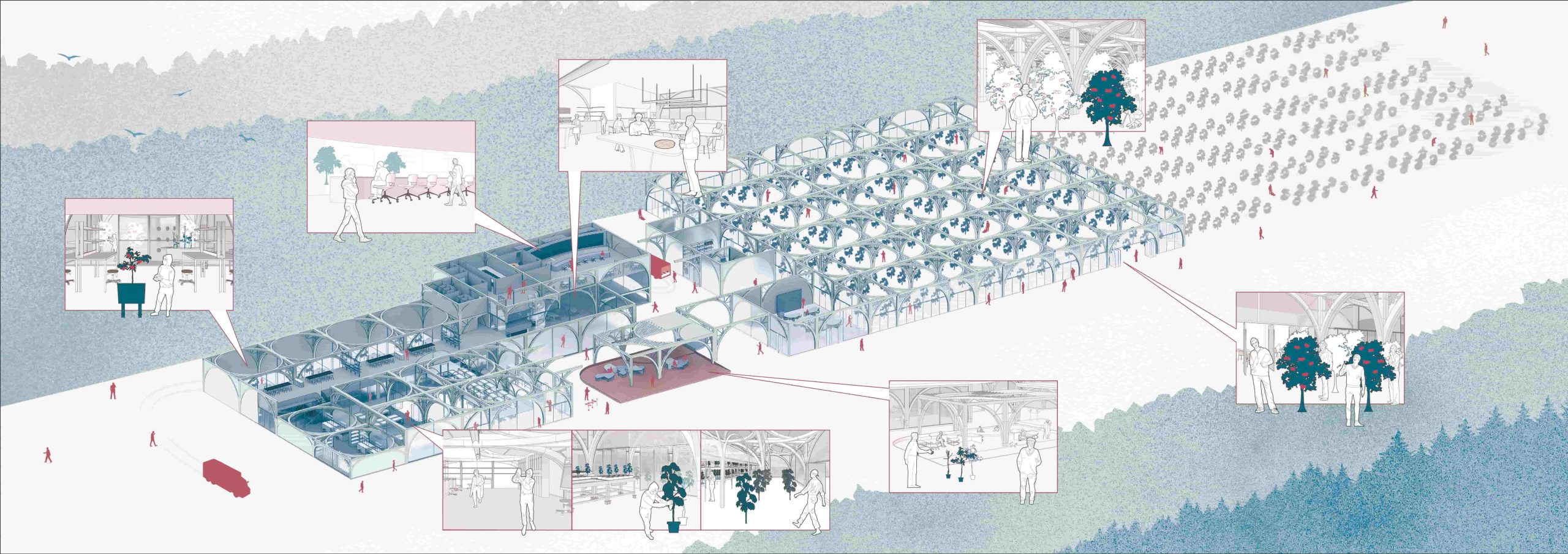
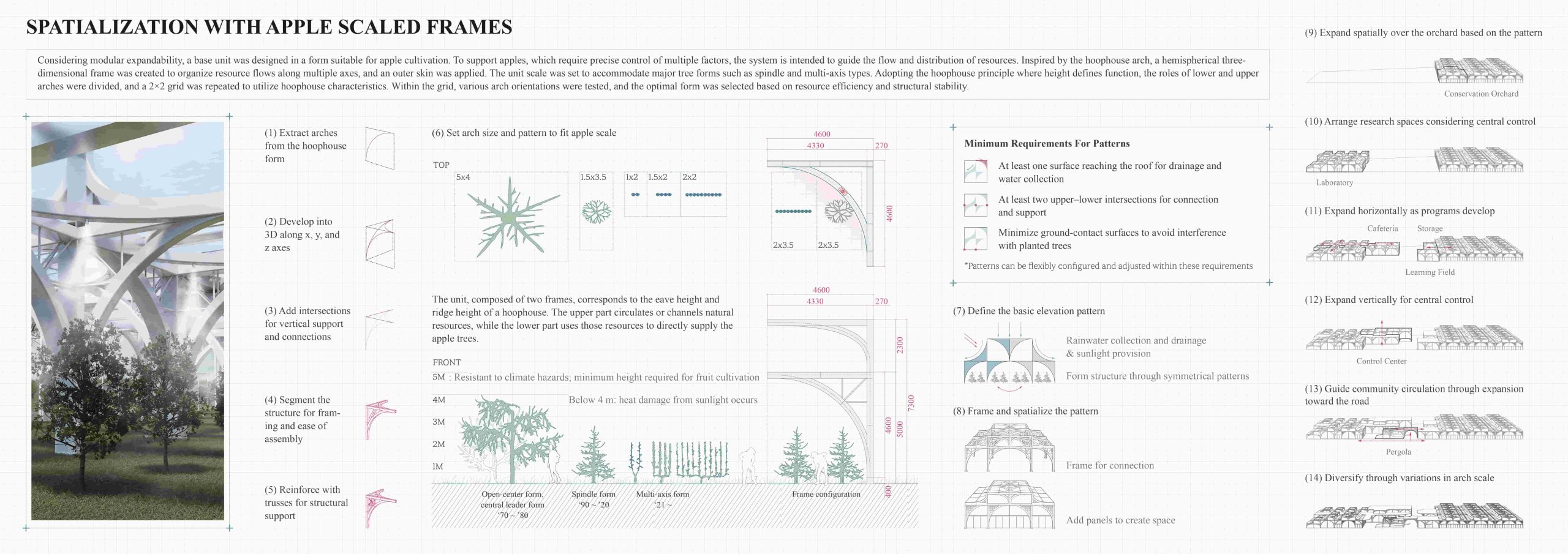
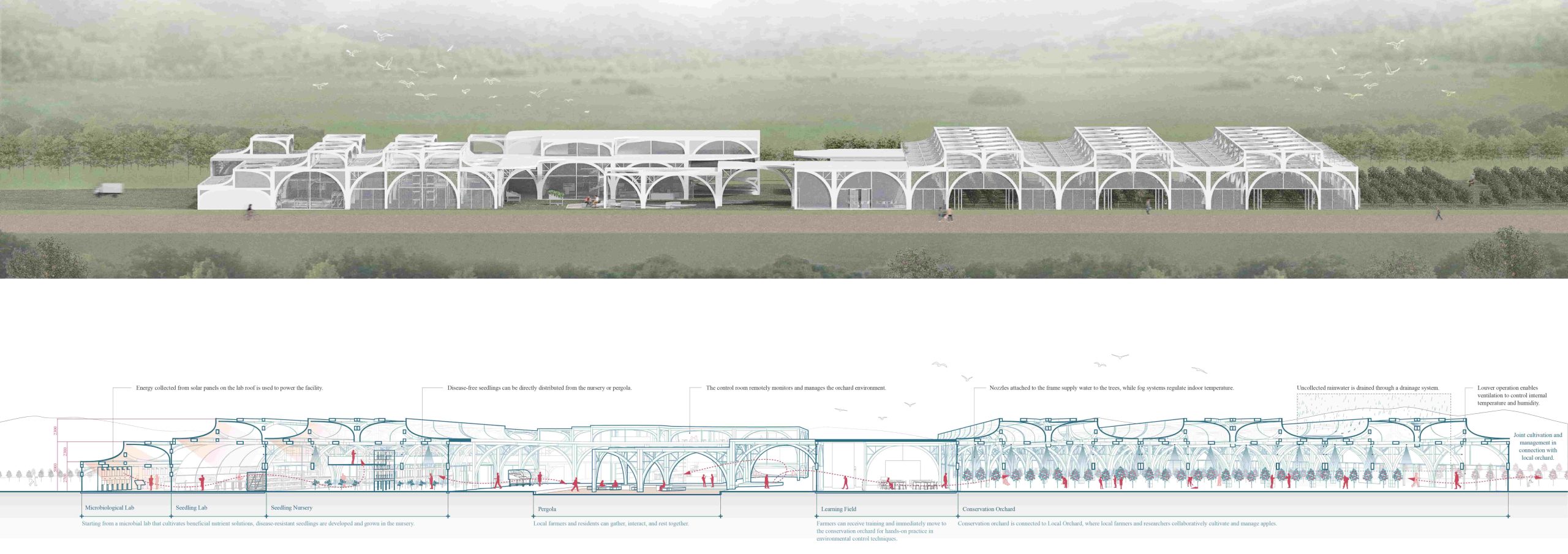
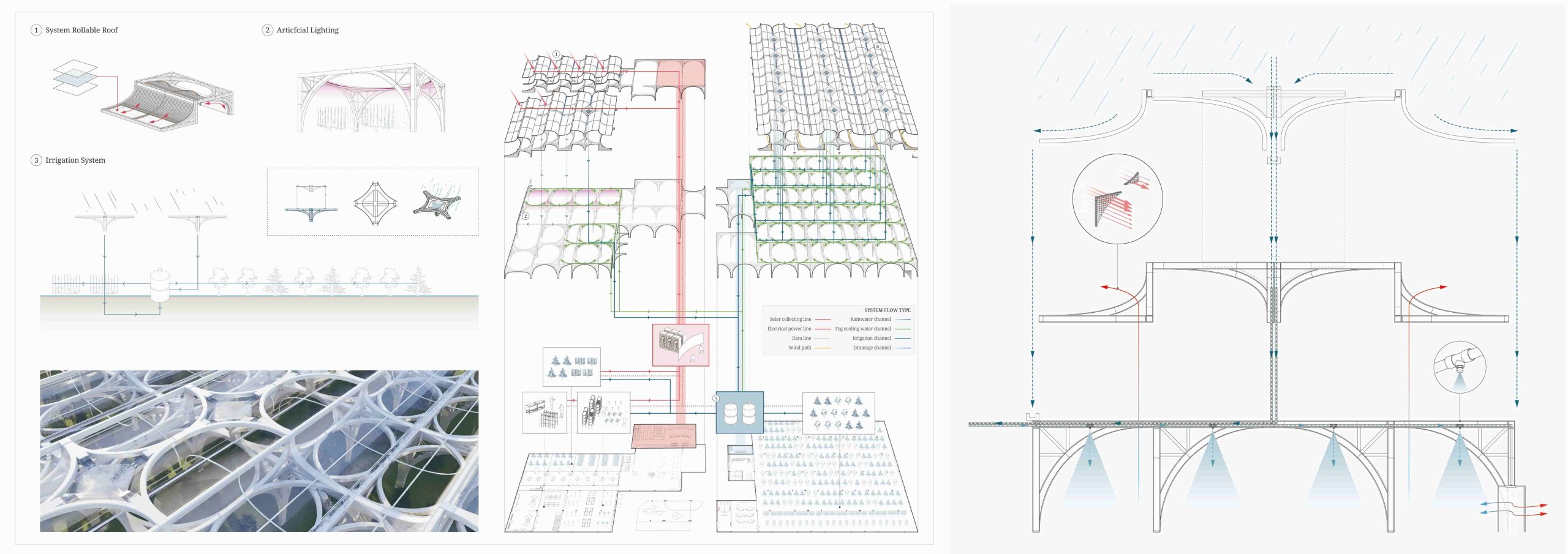
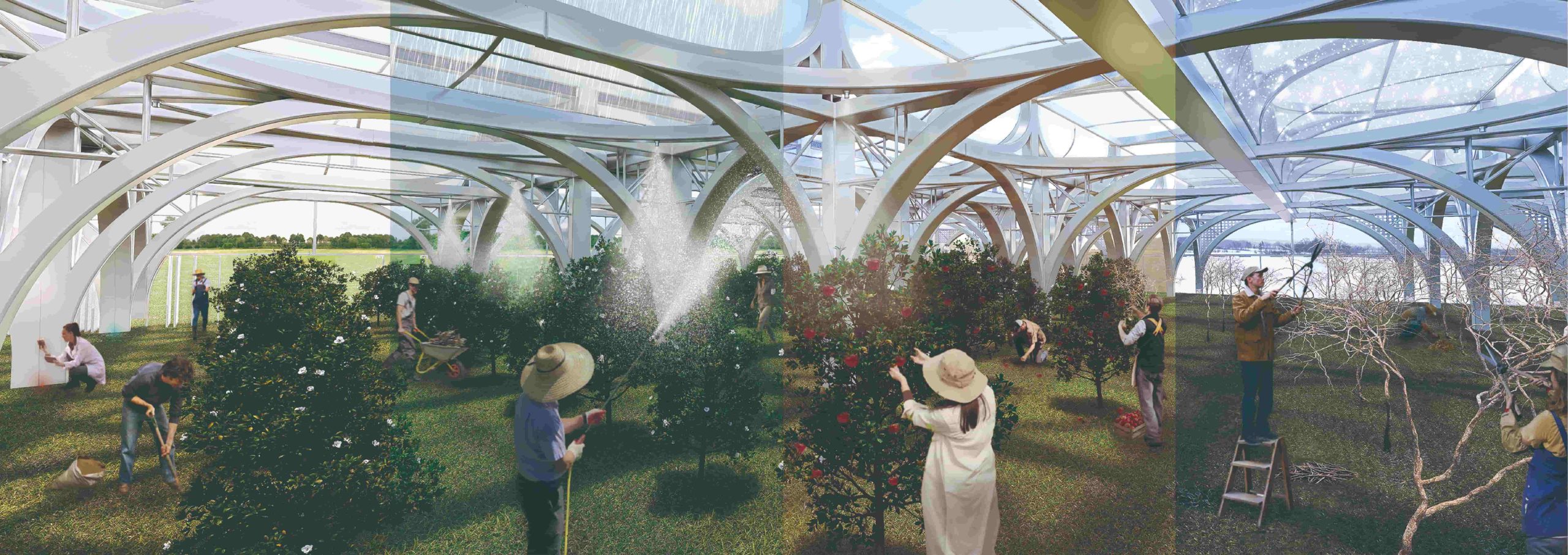
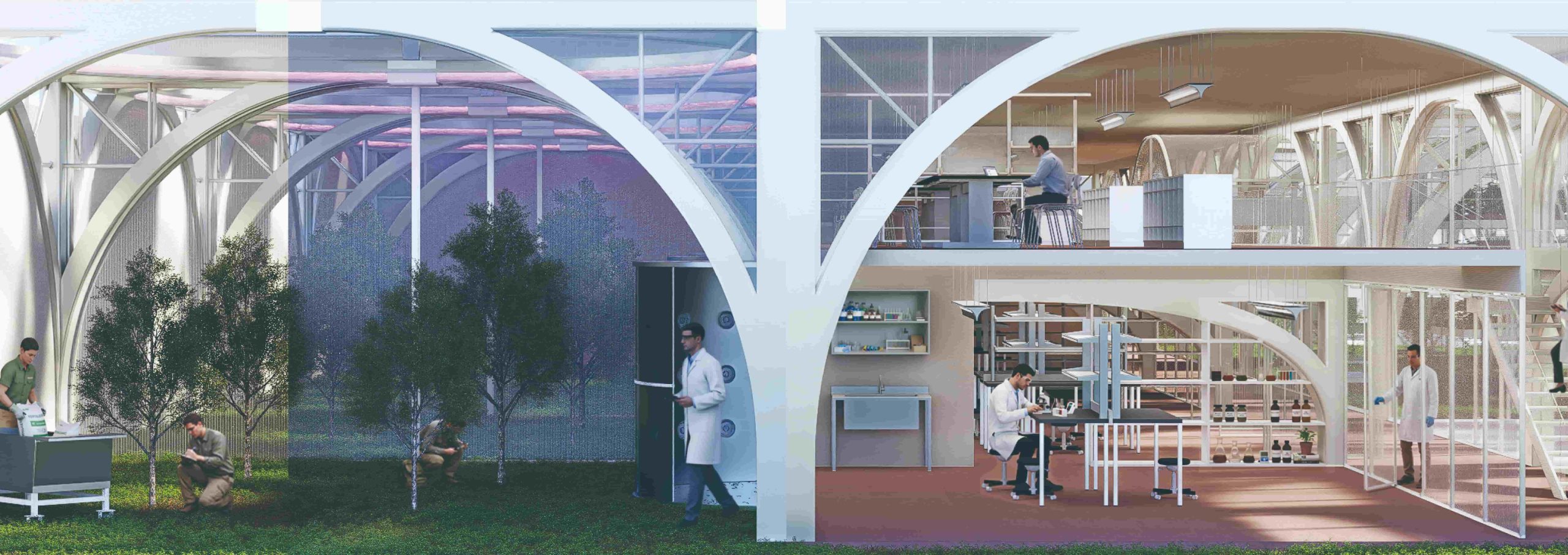
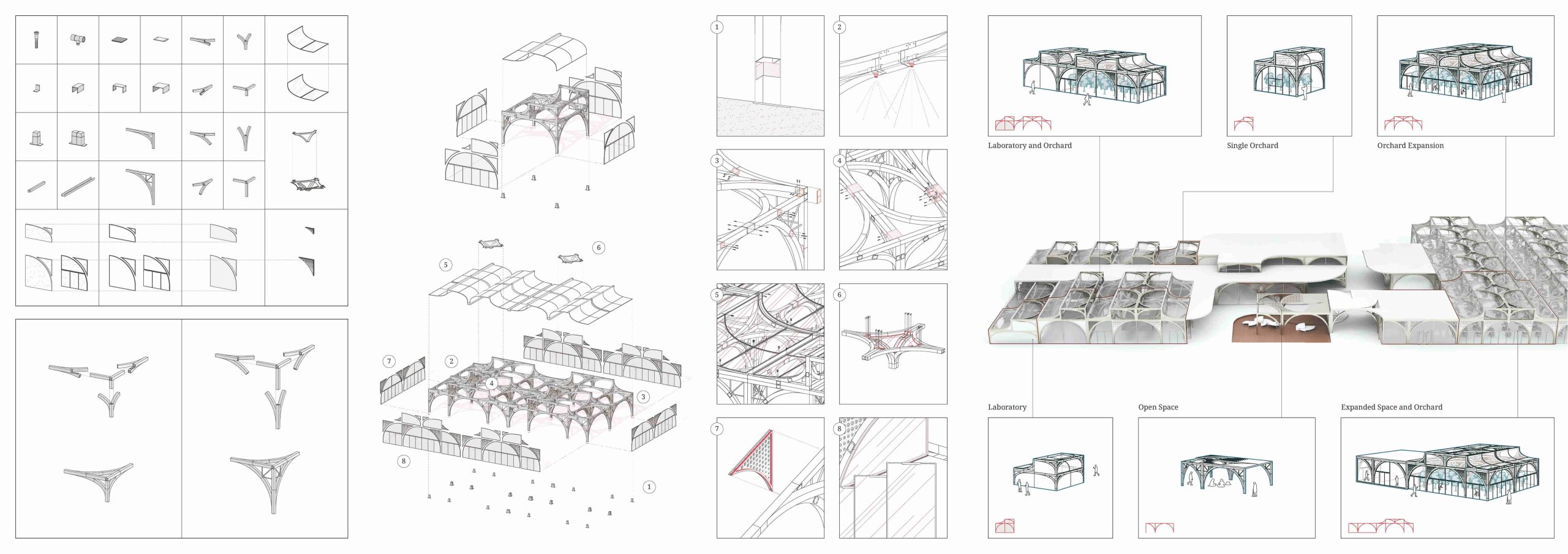
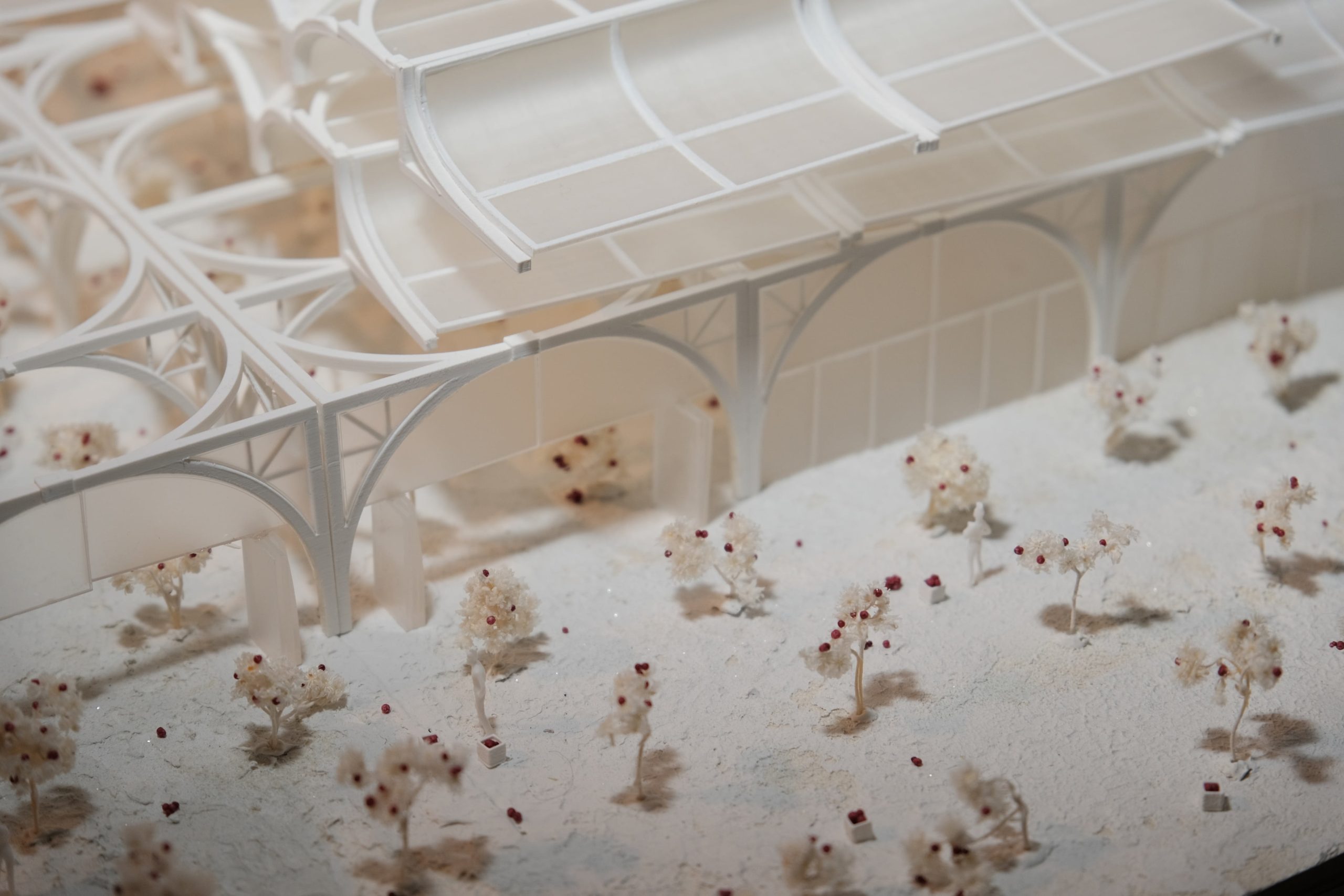
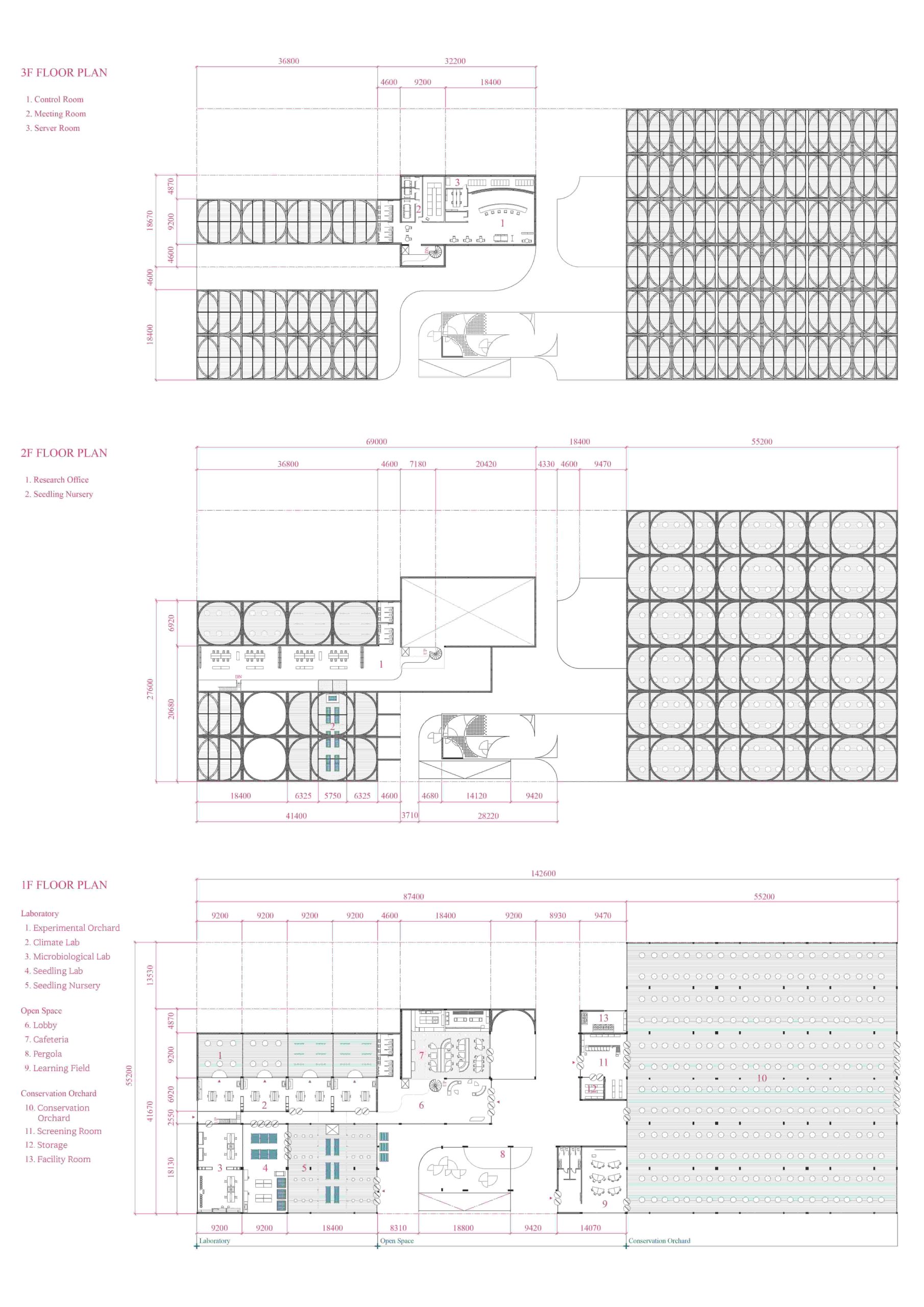
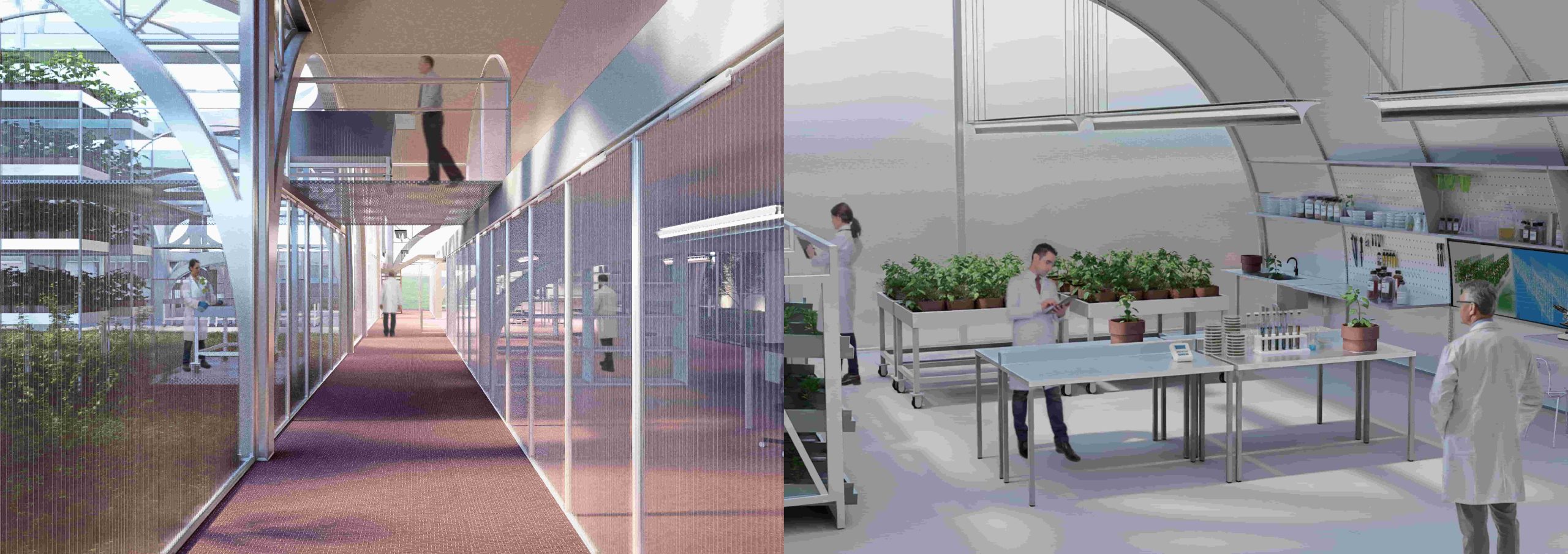
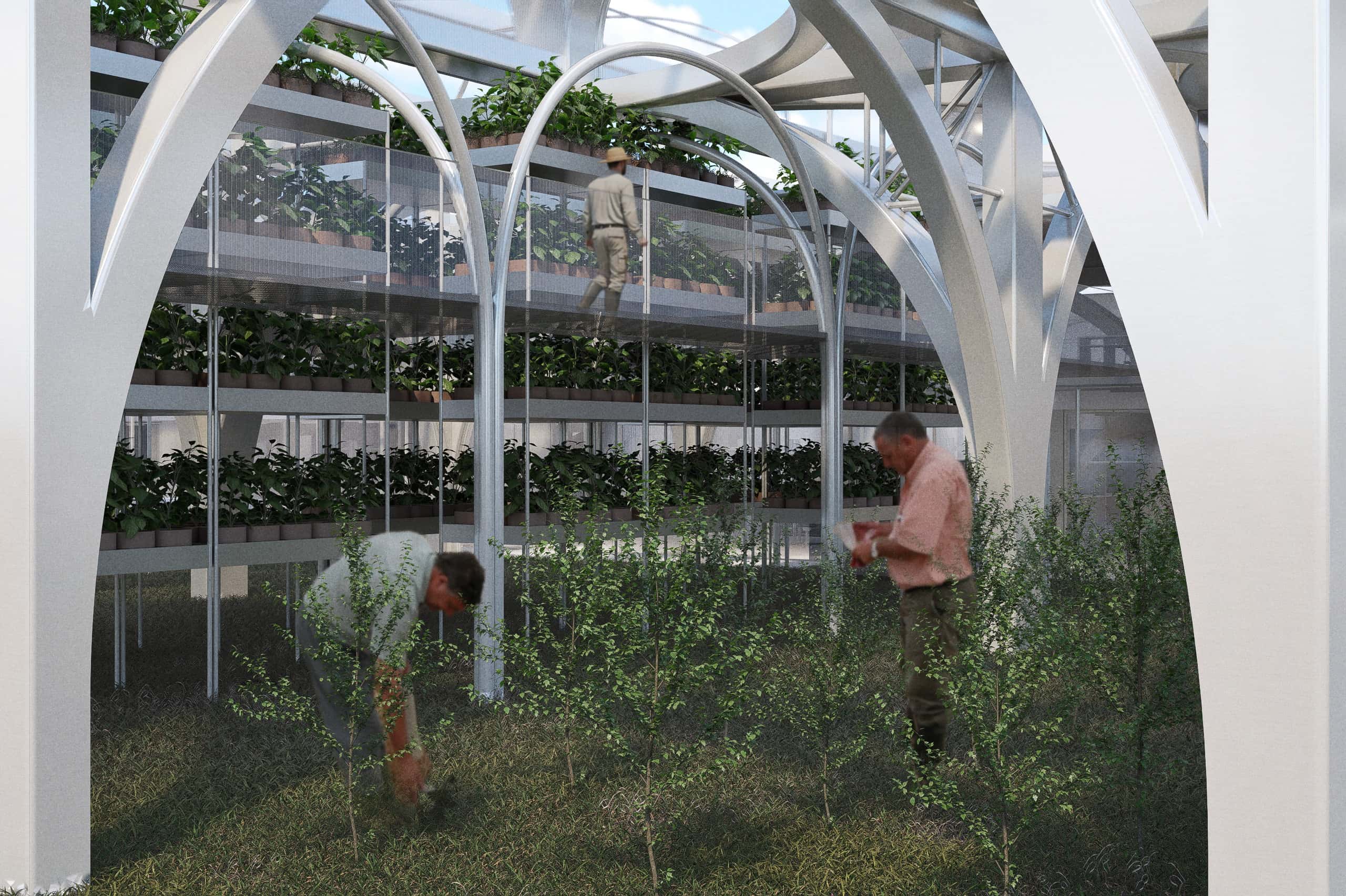
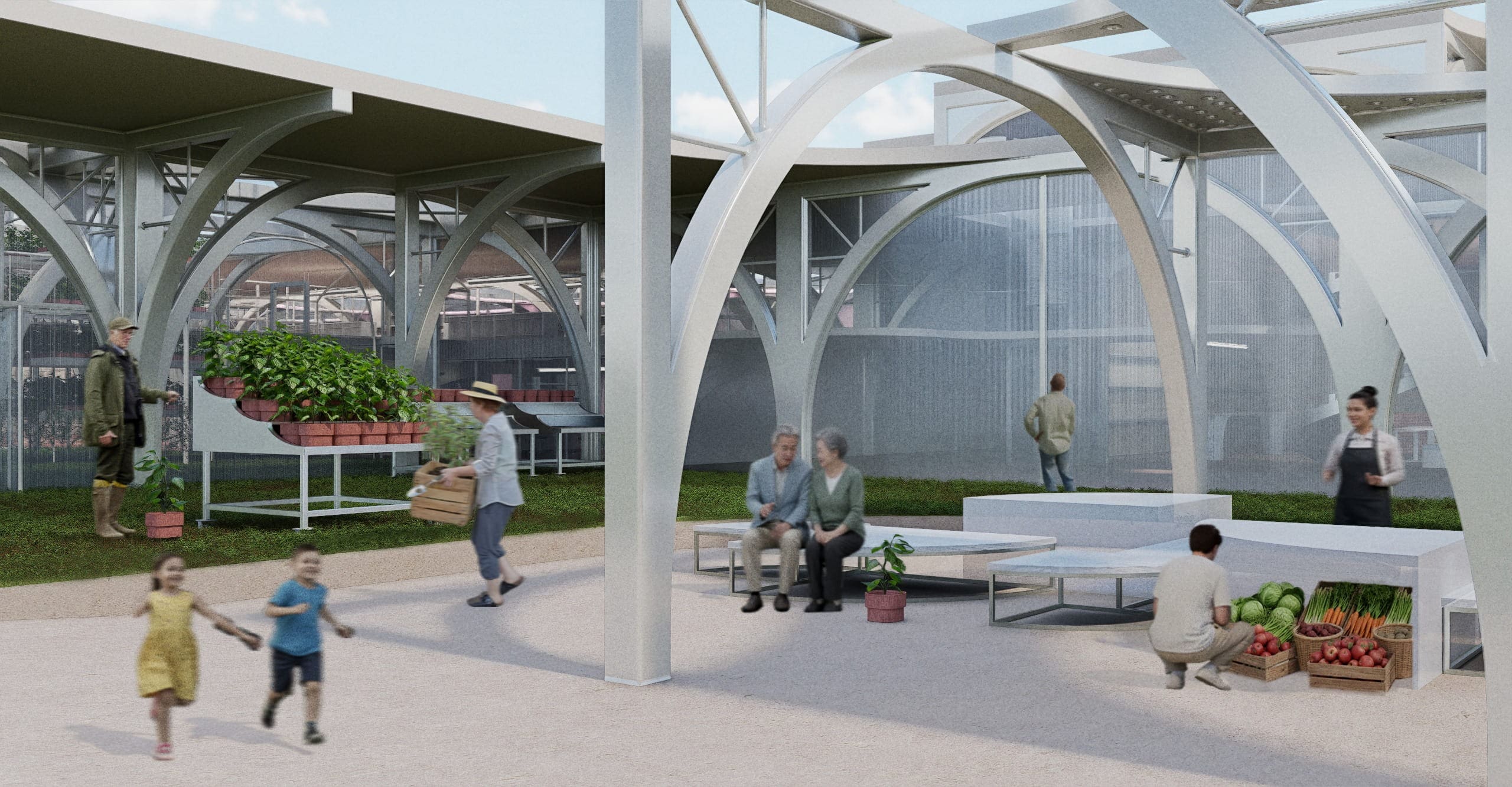
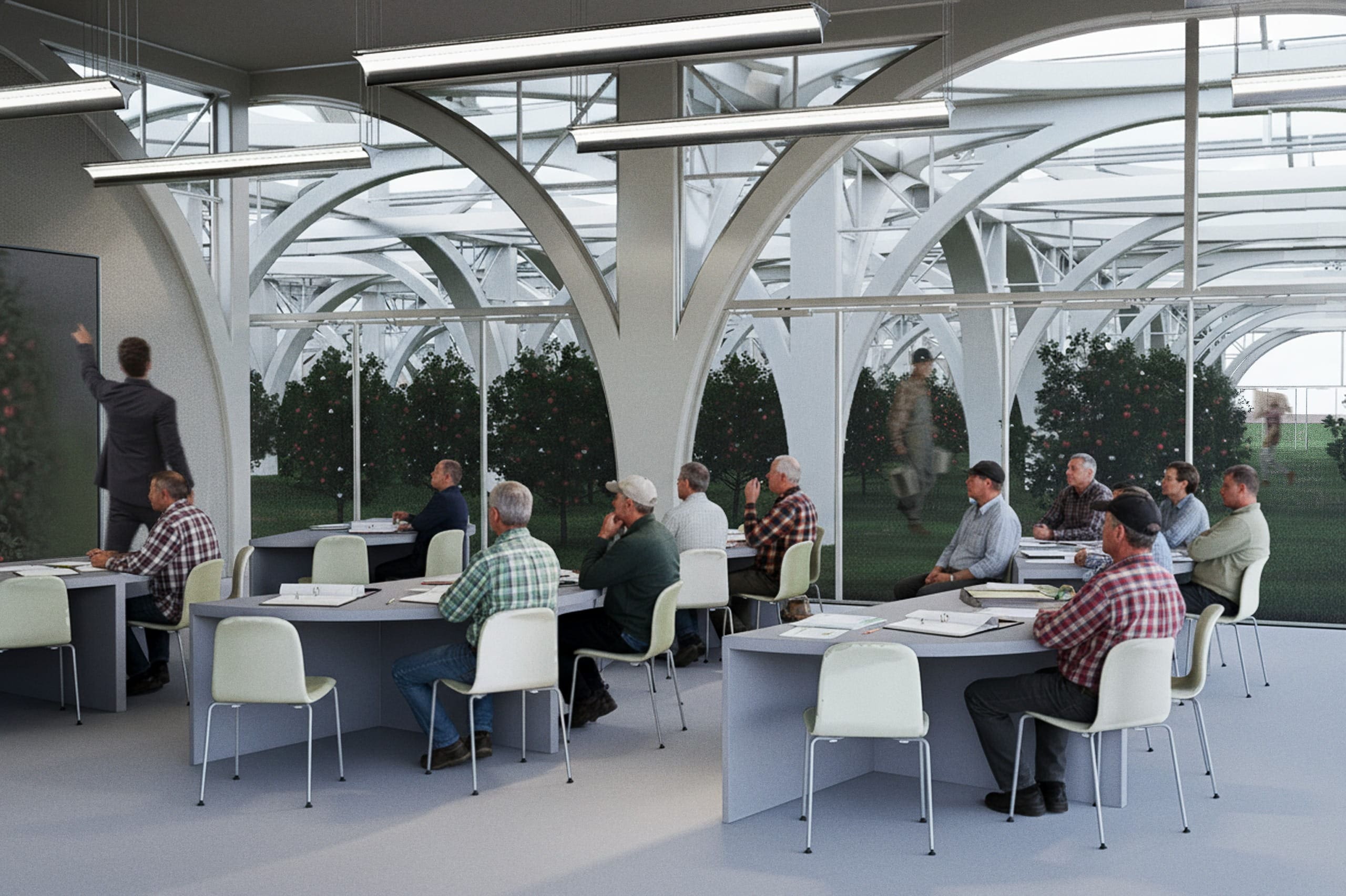
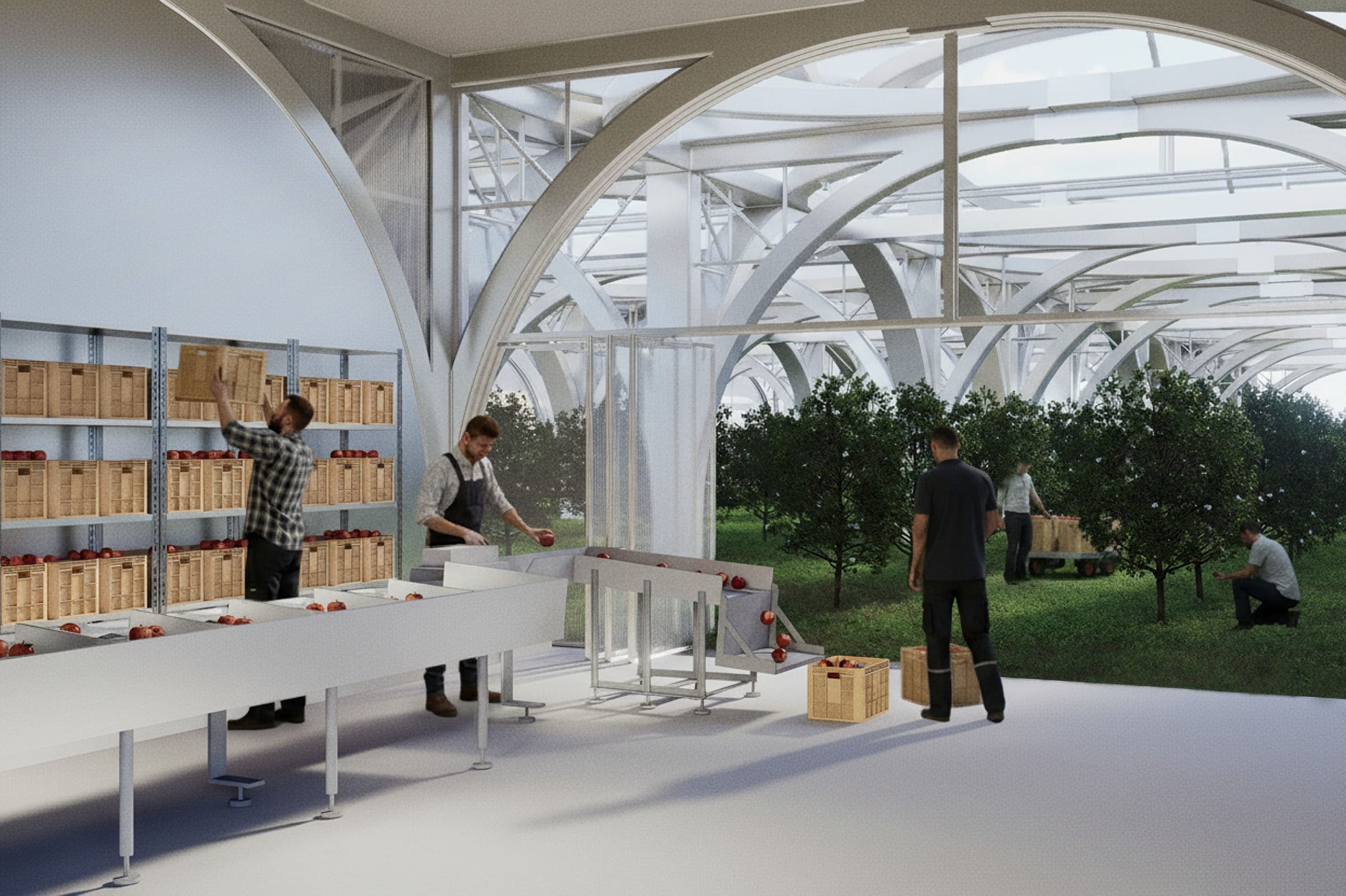
The government’s proposed solution of smart farms is challenging to implement due to the aging farming population and high initial costs. This project offers an architectural alternative: a model that combines sustainable production with research. By integrating existing orchards with a research facility, we can study climate-resilient apple varieties and cultivation methods. Data collected on soil and climate is then applied directly to the orchard for experimentation and educational purposes.
Established in 2012, Tamayouz Excellence Award is an unaffiliated, independent initiative that aims to advance the profession of architecture academically and professionally. Tamayouz is dedicated to supporting aspirational and transformative projects that tackle local and global challenges and that are informed by a holistic understanding of context.