







University : University of Architecture Ho Chi Minh City
Tutor(s) : Dam Huynh Quoc Vu
Project Description
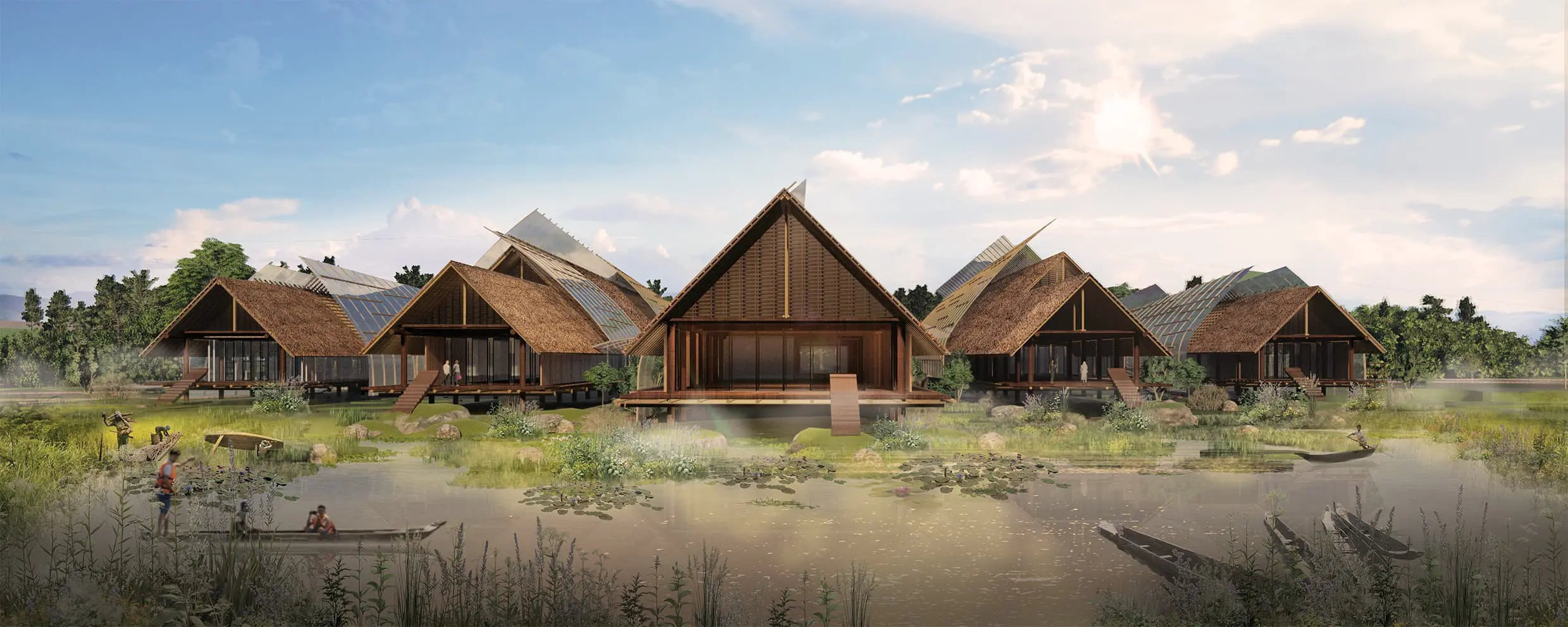
Originating from the Chư Yang Sin mountain range and connected to the Krong Ana River – the sacred “Mother River” of the indigenous peoples (Ede and M’nong), Lak Lake is the largest freshwater lake in the Central Highlands, spanning over 500 hectares at an elevation of 500 meters. It not only nourishes forests and rice fields but also serves as the spiritual soul of the M’nong and Ede communities through generations. Its diverse ecosystem of freshwater fish, waterbirds, and forest wildlife creates a harmonious natural landscape, yet both cultural traditions and the natural environment are gradually fading. From this reality, the project “Cultural Activity Center of the Upper Krong Ana River” is envisioned as a bridge between past and present, preserving while also revitalizing local identity.
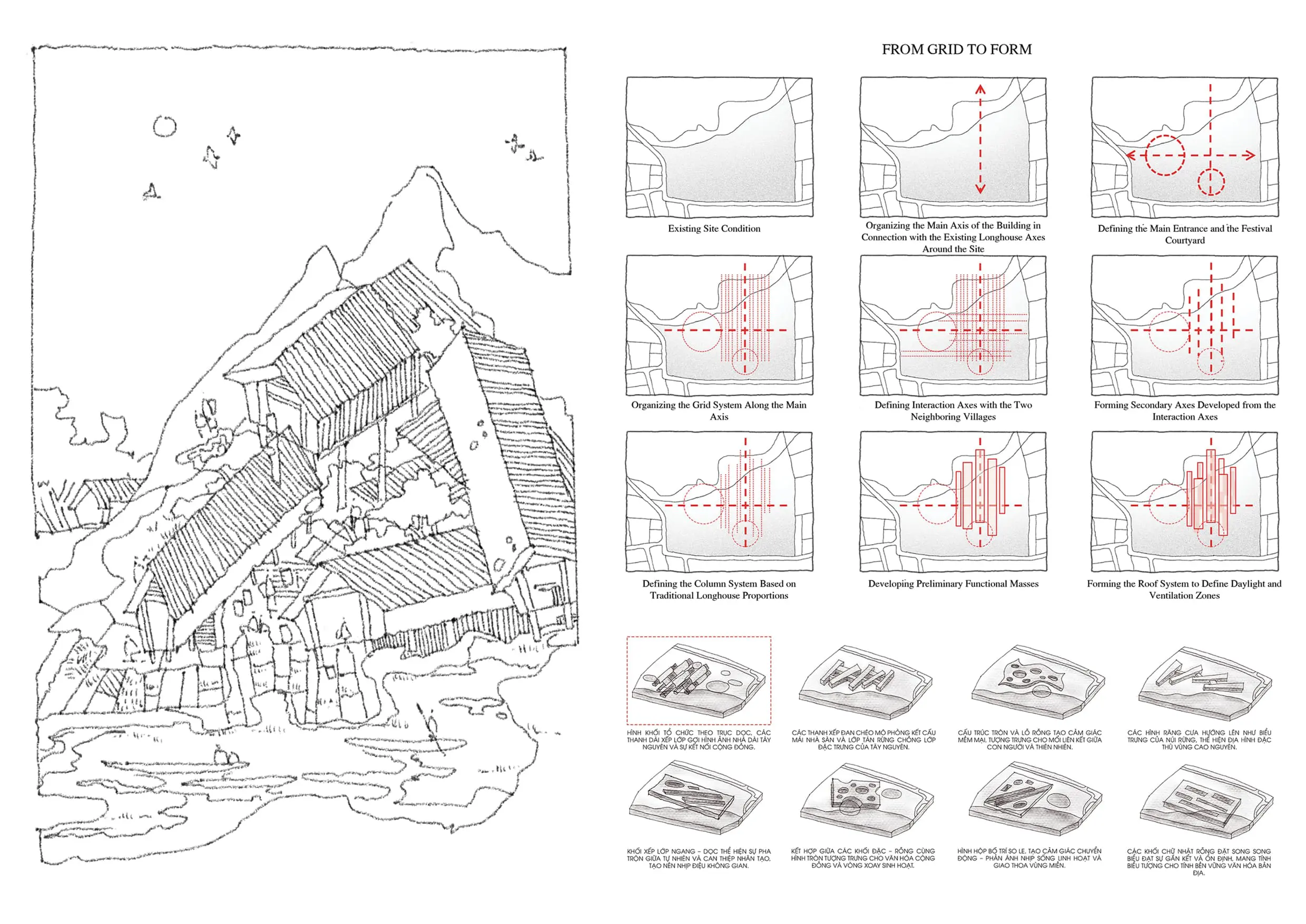
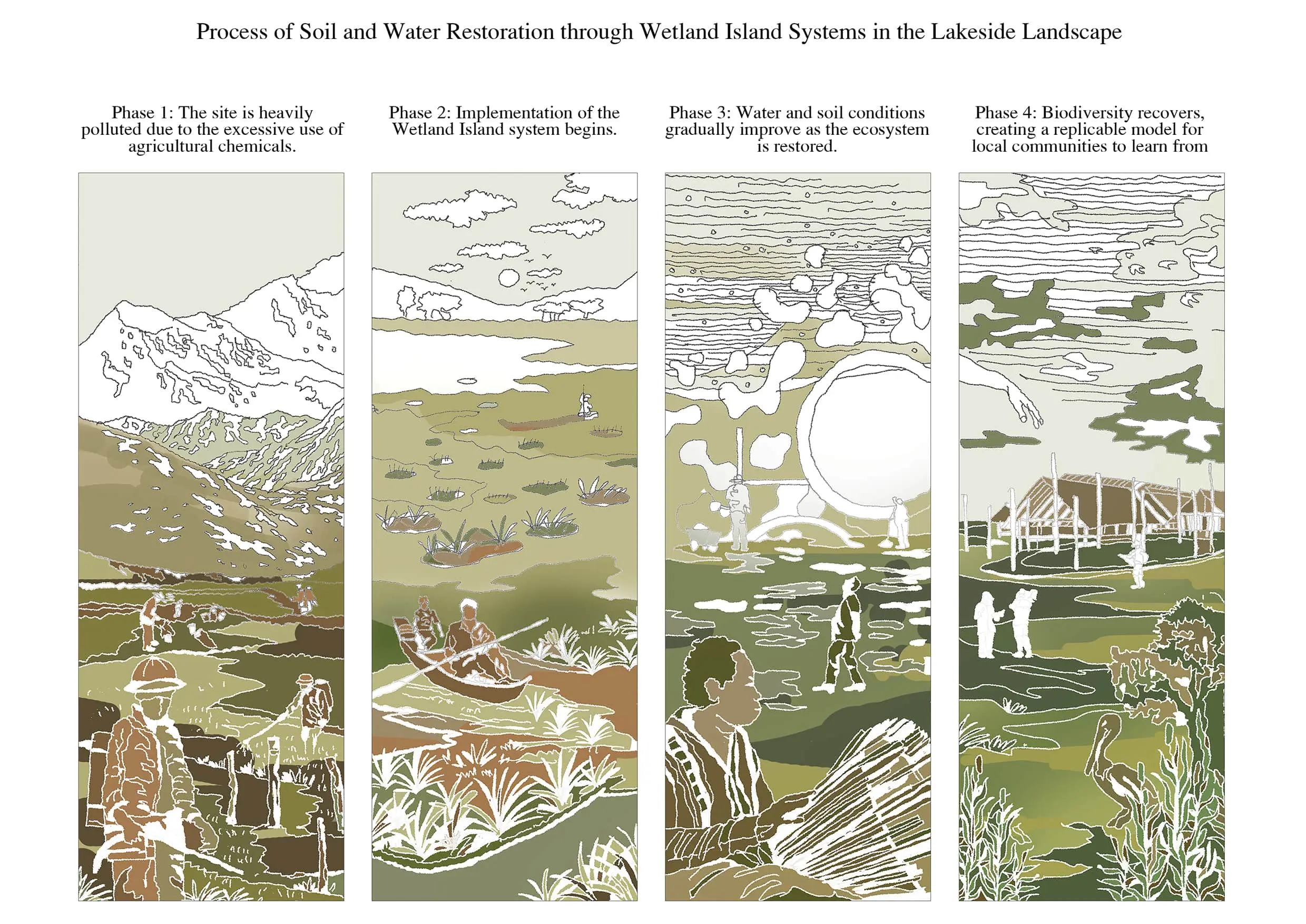
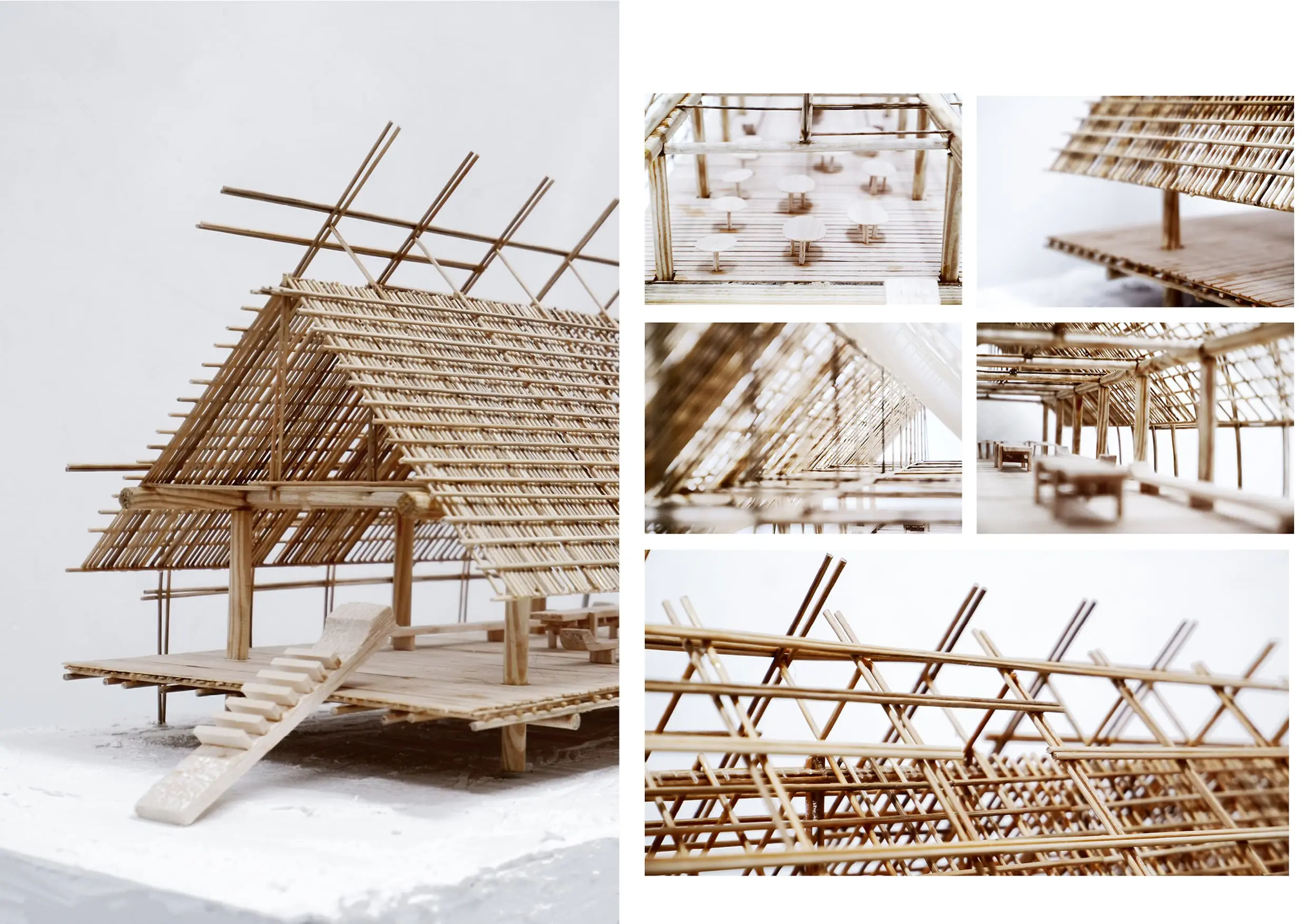
The architectural form draws inspiration from the traditional longhouse – a symbol of communal gathering and the enduring connection between people, community, and nature. In contemporary architecture, this form is abstracted into linear spatial strips, emphasizing continuity and openness, evoking both familiarity and modernity. Beyond symbolic value, the project is designed as an ecological architecture that lives in harmony with its surroundings. A Wetland Island system is integrated to naturally treat water, regenerate aquatic habitats, and enrich biodiversity, ensuring sustainable environmental stewardship.
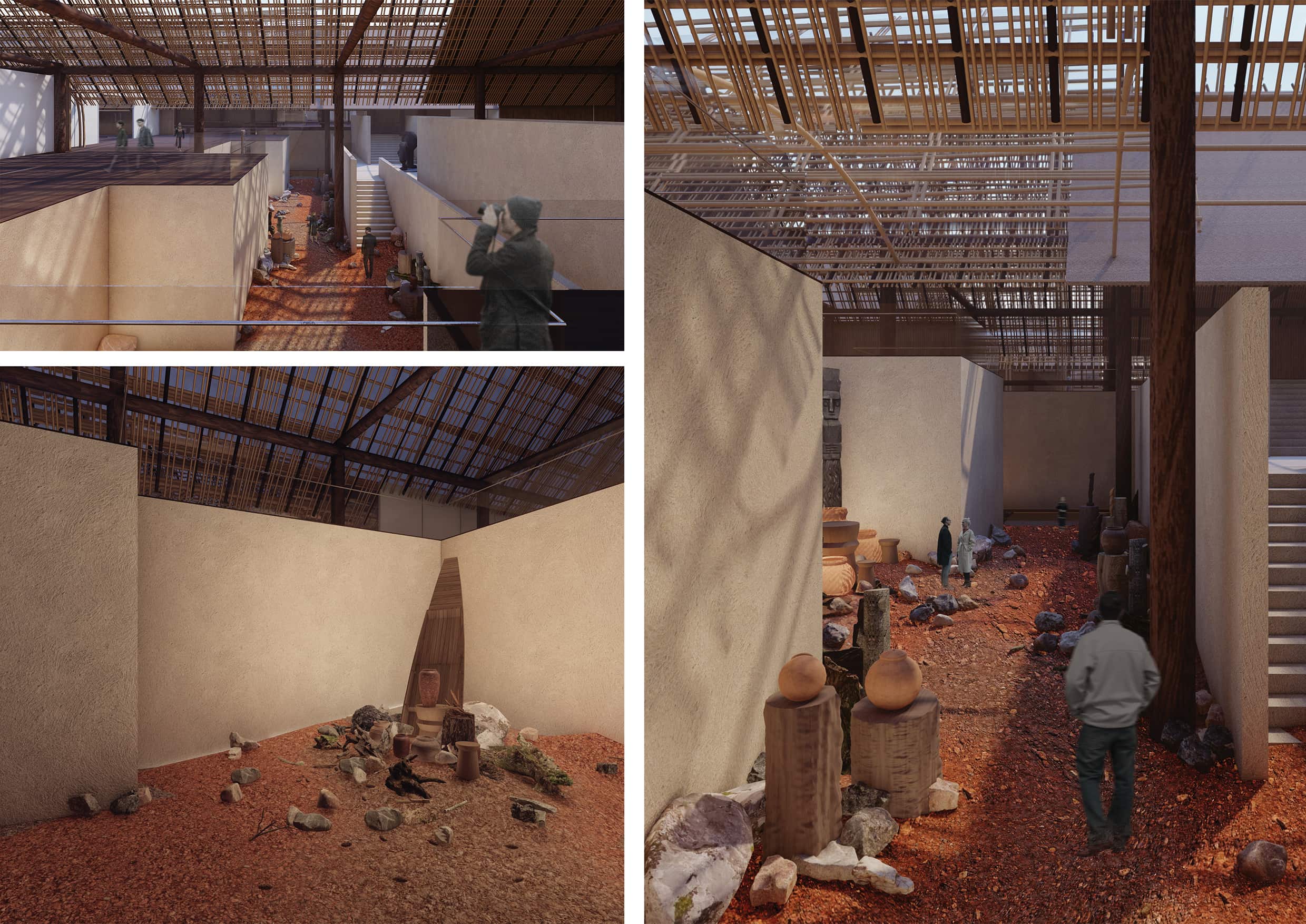
Thus, the center becomes more than a physical structure; it is a cultural landmark that honors memory, revives endangered traditions, and fosters pride among indigenous communities. At the same time, it stands as a model of sustainable development, where cultural heritage, human life, and nature coexist in balance, just as the eternal flow of the Krong Ana River has always nurtured this land.
Established in 2012, Tamayouz Excellence Award is an unaffiliated, independent initiative that aims to advance the profession of architecture academically and professionally. Tamayouz is dedicated to supporting aspirational and transformative projects that tackle local and global challenges and that are informed by a holistic understanding of context.