Development of the University Medical Complex – Al-Qadisiyah

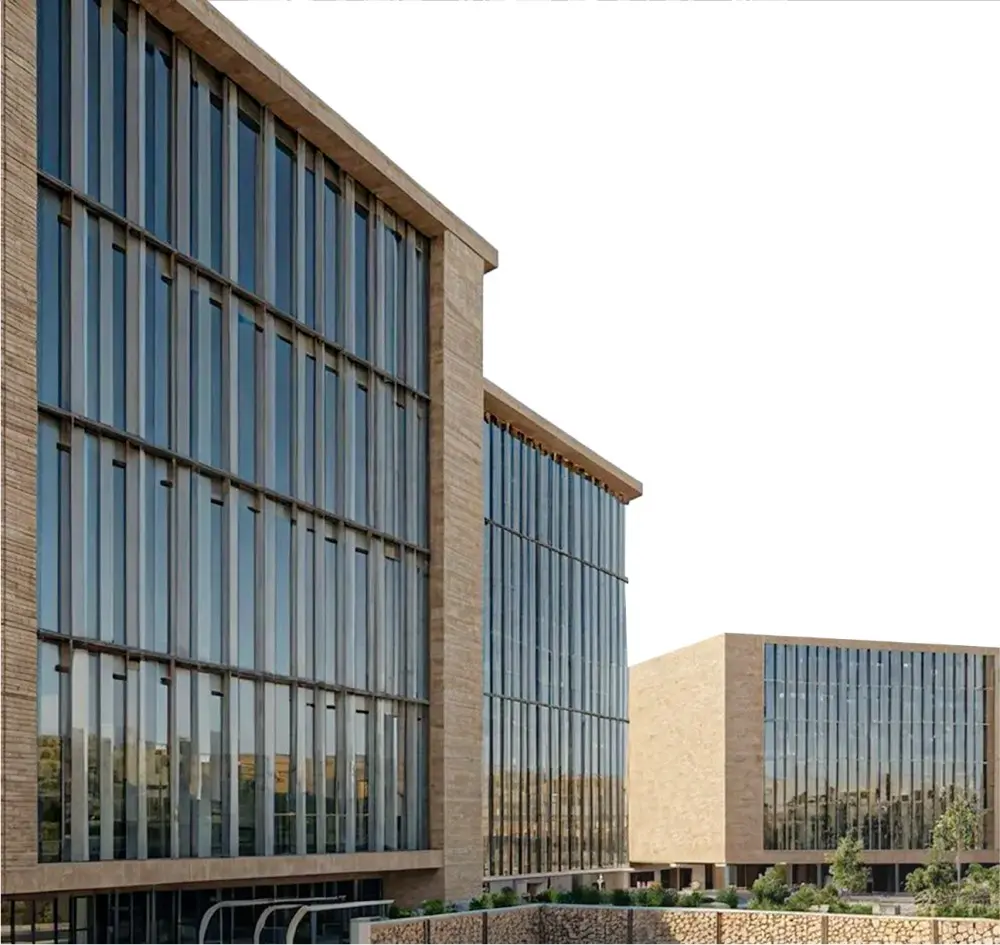
The project proposes the Development of the University Medical Complex in Al-Qadisiyah, Baghdad—a key academic hub with a vital role in the city’s medical and educational landscape. Despite its significance, the complex struggles to provide a dynamic and supportive environment for students and the wider community.
Share on facebook
Facebook
Share on twitter
Twitter
Share on linkedin
LinkedIn

Designer(s) : Ahmed Abbas Mohammed

University : Al-Nahrain University

Tutor(s) : Dr Nada Azzam Mahmood

Project Description

The University Medical Complex in Baghdad faces critical challenges that extend beyond academic facilities, including depression, social isolation, the absence of cultural and interactive spaces, the lack of student housing for those coming from other provinces, and severe parking shortages. These issues create an environment that is functional but uninspiring, limiting opportunities for personal growth and community engagement.
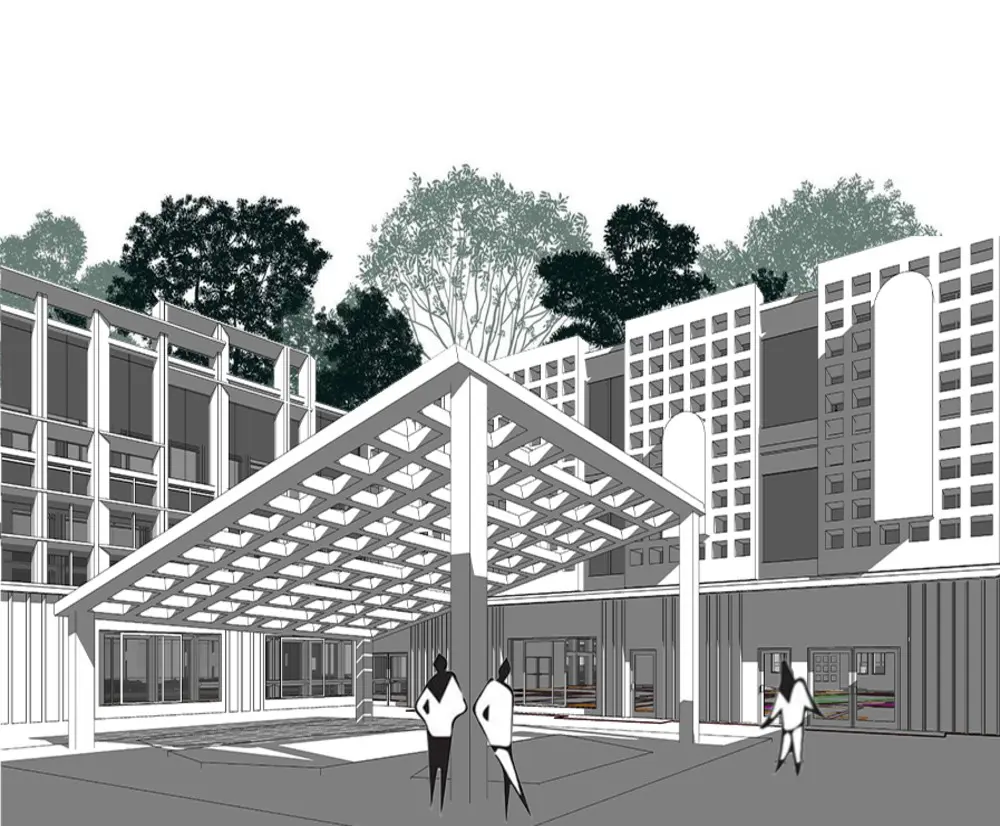
Our vision is to transform the complex into a holistic medical–cultural community that seamlessly integrates education, culture, and student life. This transformation is achieved through three main interventions:
A Cultural and Educational Center that breaks the monotony of the existing academic environment by providing vibrant indoor and outdoor spaces for cultural exchange, exhibitions, seminars, workshops, and recreational activities.
– Student Housing Facilities, introduced to address the absence of accommodation for non-local students, ensuring inclusivity, accessibility, and a supportive campus life.
– Underground Parking Facilities, strategically placed beneath the new buildings, solving congestion and preserving the surface level for green, pedestrian-friendly, and interactive outdoor spaces.
Through these interventions, the project envisions a stimulating and sustainable environment where students and the broader community can connect, share knowledge, and cultivate creativity. By linking medical education with cultural and social experiences, the complex becomes a model for an inclusive, dynamic, and future-ready academic campus.