




University : AHSANULLAH UNIVERSITY OF SCIENCE AND TECHNOLOGY
Tutor(s) : SANJIDA AHMED SINTHIA
Project Description
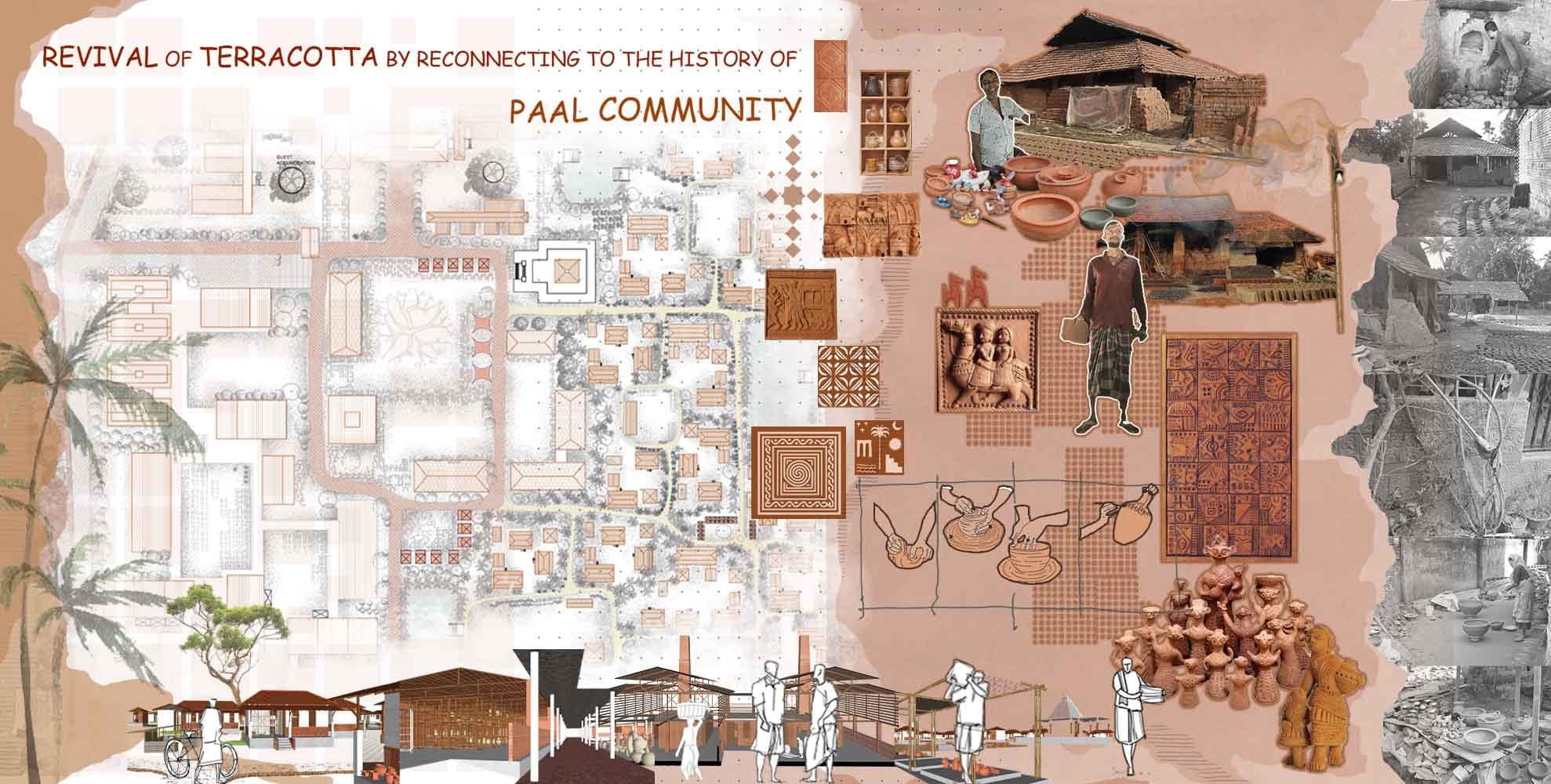
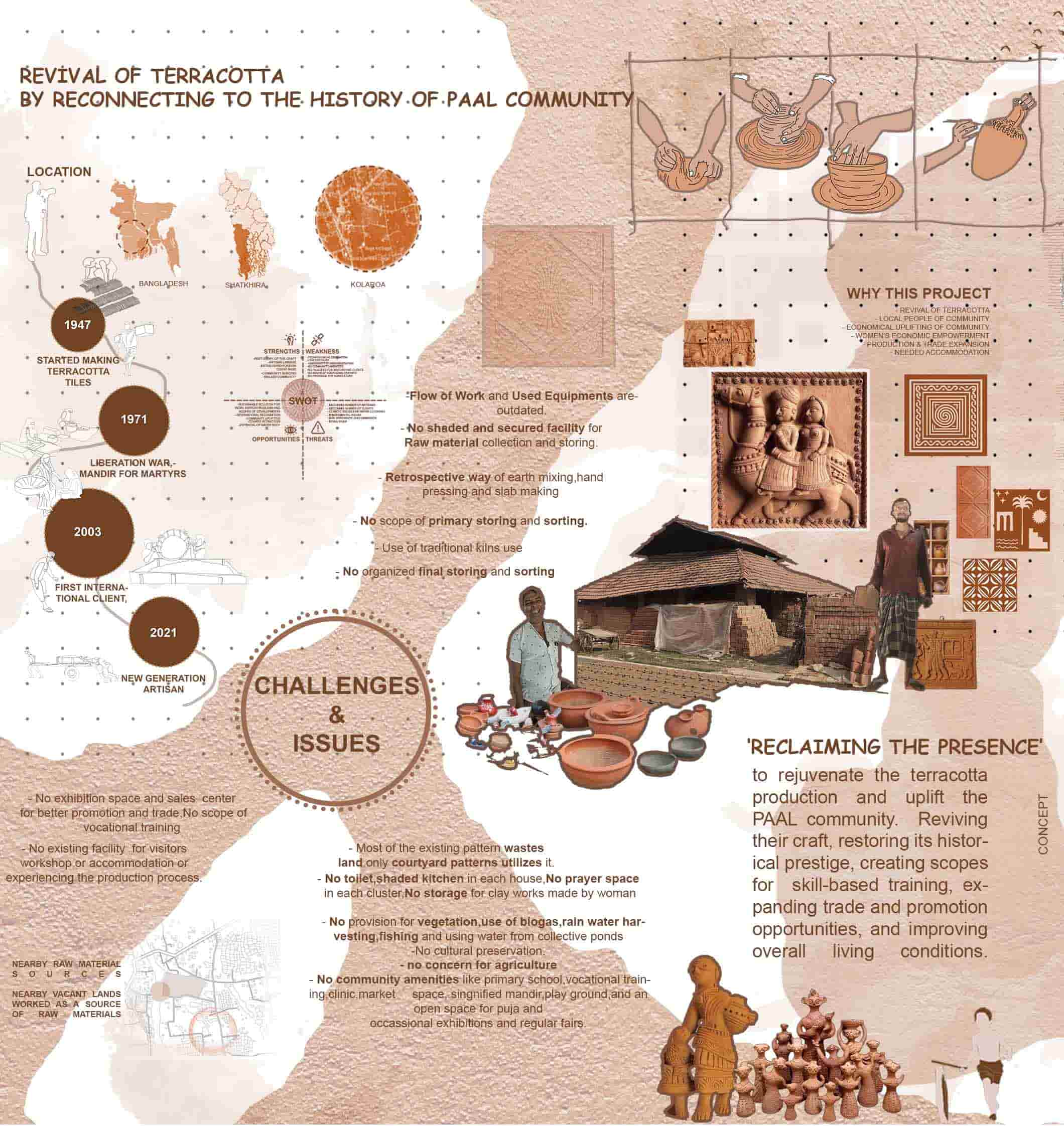
Terracotta, “burnt clay” in Italian, symbolizes traditional craftsmanship and architectural heritage. In South Asia, the PAAL artisans of Kolaroa, Shatkhira, Bangladesh, have preserved this legacy since before 1947, when their village was internationally recognised for its trade.
However, rapid urbanization, industrialization, and the rise of modern materials have deliberately reduced demand for traditional terracotta. Consequently, the PAAL community’s craft and main livelihood face a serious decline.
Today, the community struggles with multiple challenges: depleting workspaces, competition from large-scale industries, increased production costs, and inadequate infrastructure, including weather-dependent drying areas, insufficient storage, and poor transportation facilities. A lack of vocational training, minimal promotional opportunities, and the absence of basic social amenities, coupled with poor living conditions, have further marginalized the PAALs. Women artisans, in particular, are disproportionately affected, often working from home and facing both social and economic exclusion.
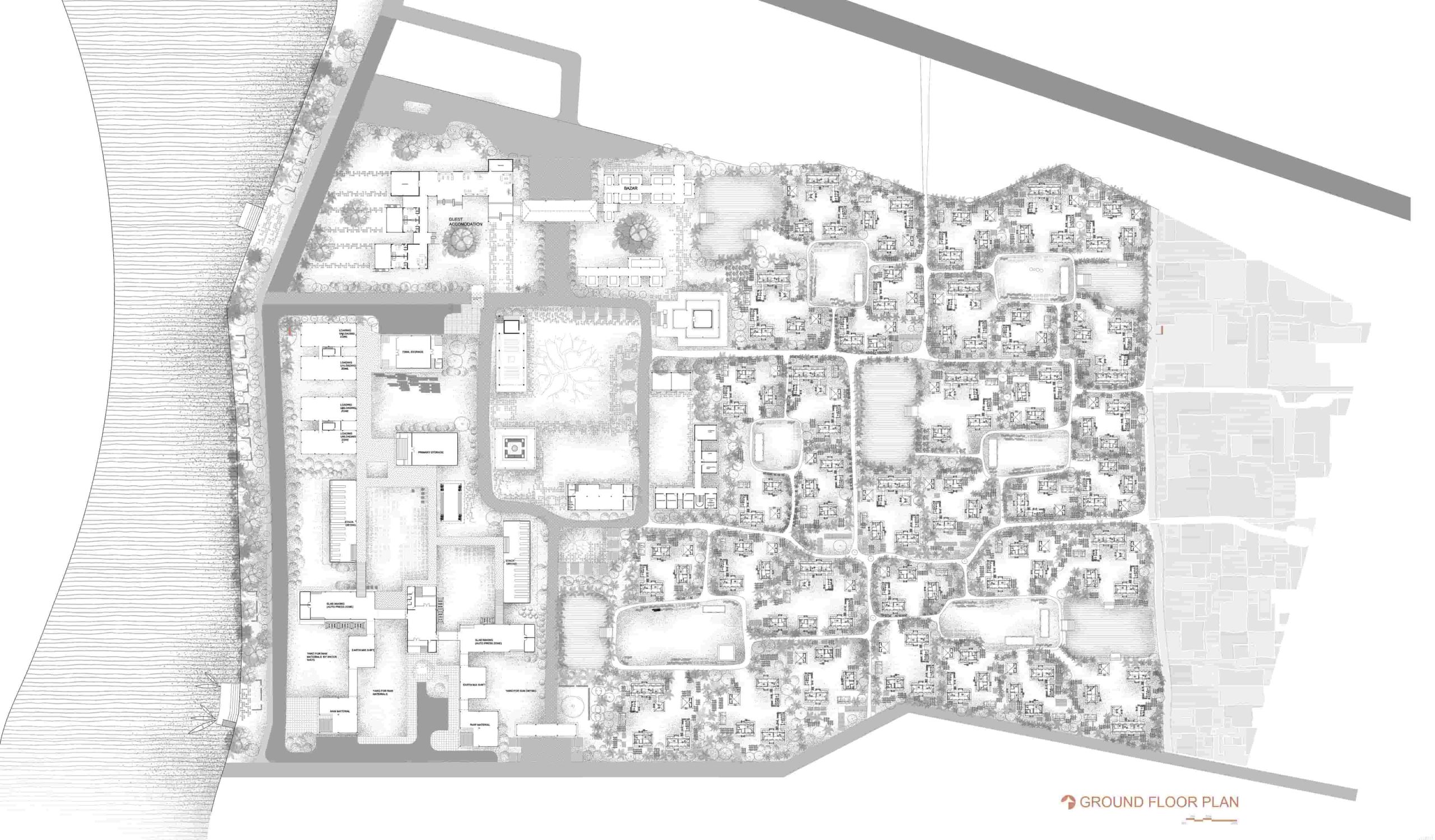
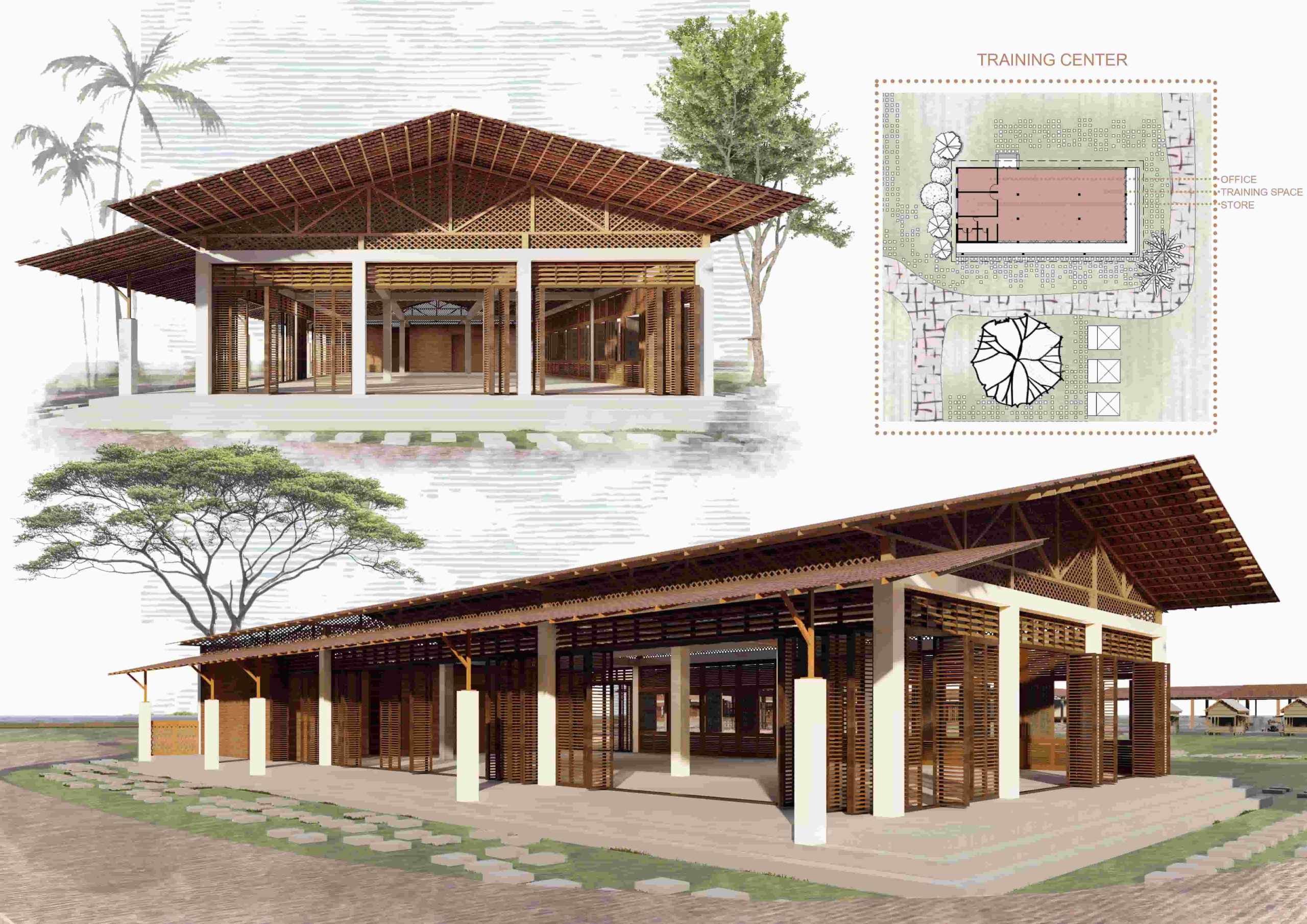
To address these issues, a comprehensive set of design and development interventions has been proposed to rejuvenate the terracotta industry and uplift the PAAL community. These strategies seek to revive their craft, restore its historical prestige, deliver skill-based training, expand trade and promotion opportunities, and improve overall living conditions. A key focus is on modernizing production practices to establish an eco-friendly production system. Modern Production Units with Organized Workflows, A multifunctional public space, Culturally Sensitive Housing incorporating Functional Spaces for Women and Family, Improved Foundations and Structural Integrity, incorporating green technologies,preserving the religious essence of ancient PAAL.The overarching objective is to empower the artisans through economic resilience, enhanced living standards, and cultural preservation. By harmonizing sustainability and innovation with time-honored craftsmanship, the PAAL community can reclaim its significance in both local and global markets.
Established in 2012, Tamayouz Excellence Award is an unaffiliated, independent initiative that aims to advance the profession of architecture academically and professionally. Tamayouz is dedicated to supporting aspirational and transformative projects that tackle local and global challenges and that are informed by a holistic understanding of context.