




University : University of Qom
Tutor(s) : Dr.Mohammad Pirdavari
Project Description
Man’s need for nature is undeniable. Traveling in nature, staying in it, and becoming familiar with it have a significant impact on building the human spirit. Architecture is one of the determining factors in how we stay and, undoubtedly, how we interact with nature during this stay. Today, the crisis of connection with nature has become an important issue for all societies. The separation between humans and the surrounding environment, as proposed by Descartes, is a modern phenomenon that has gradually affected the cities of Iran.
In addition, the cultural needs of a society are among the essential needs of human life. The speed of a society’s progress depends on various factors that contribute to its advancement. Moving toward culture and meeting its associated needs is one of the goals of our cities. These objectives can also be found among the main policies related to outdoor spaces. Creating tourist-accommodation spaces in the form of promenades with all necessary facilities and pleasant, diverse environments can itself become a major attraction for audiences.
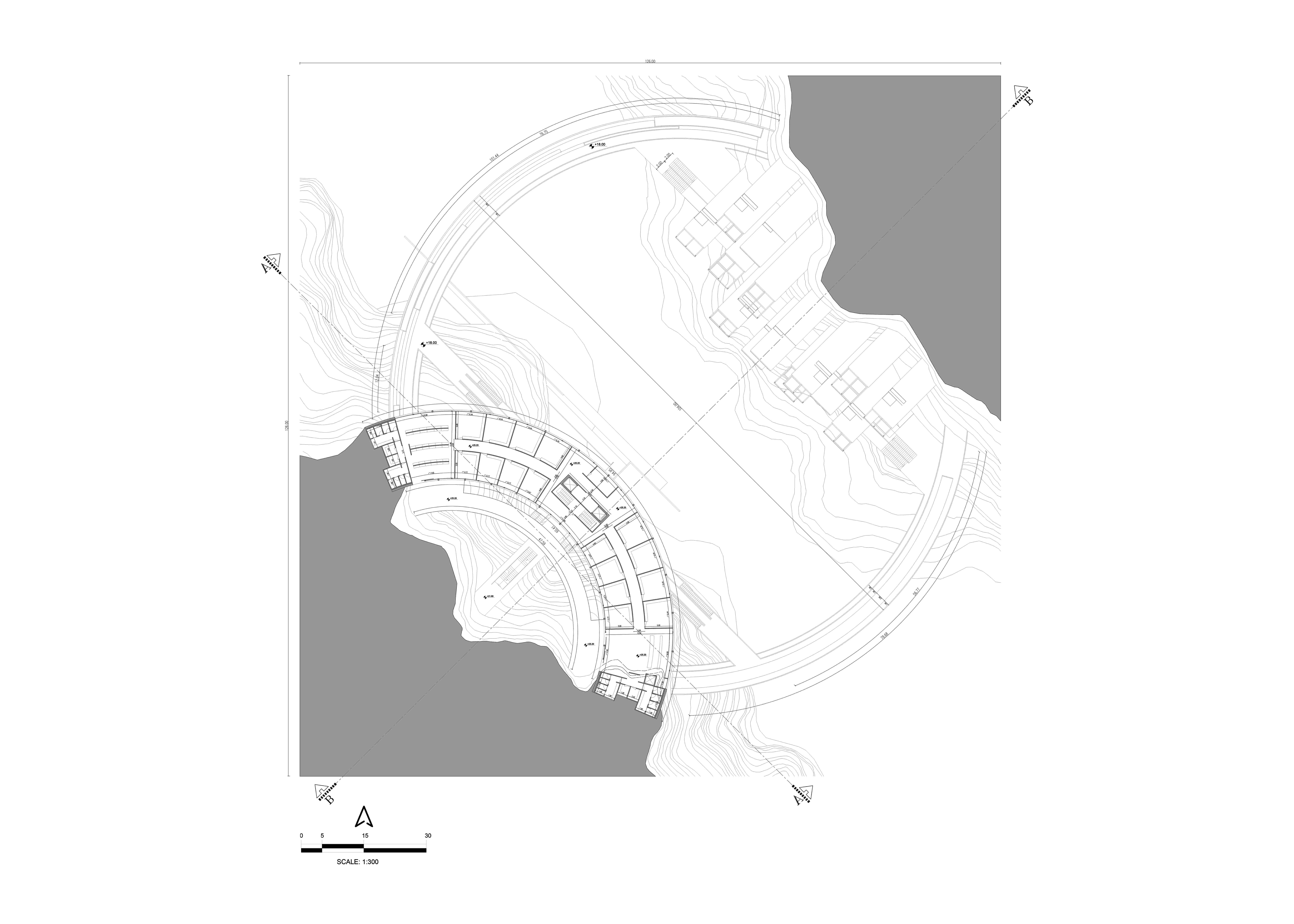
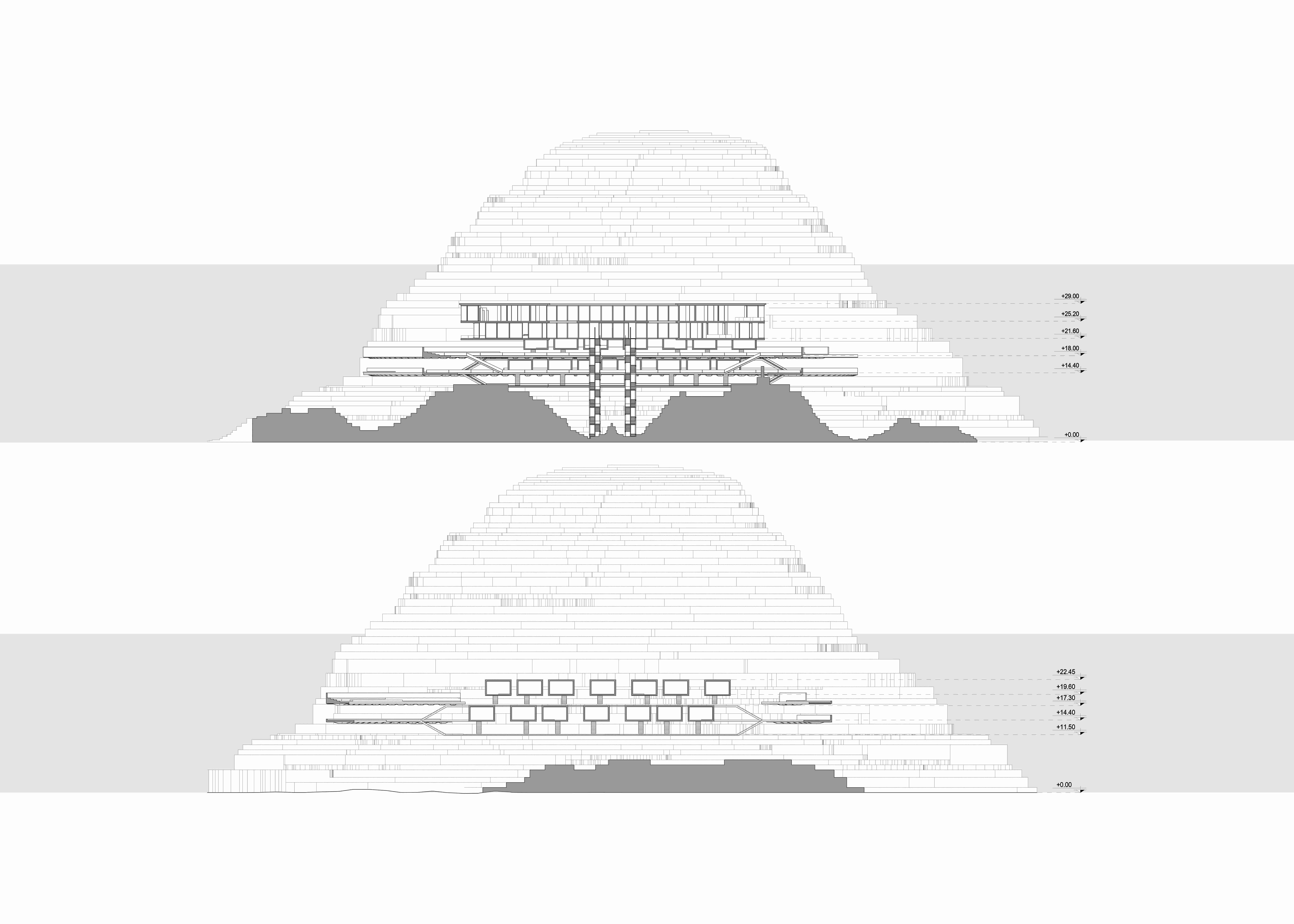
Shirez Canyon is a winding and rocky area where no facilities are available after entering. Due to this, access is limited even for professional mountaineers and rock climbers in this pristine environment. This bridge has been designed to address this issue, removing restrictions for crossing this location and connecting the human spirit with the unique space of Shirez Canyon.
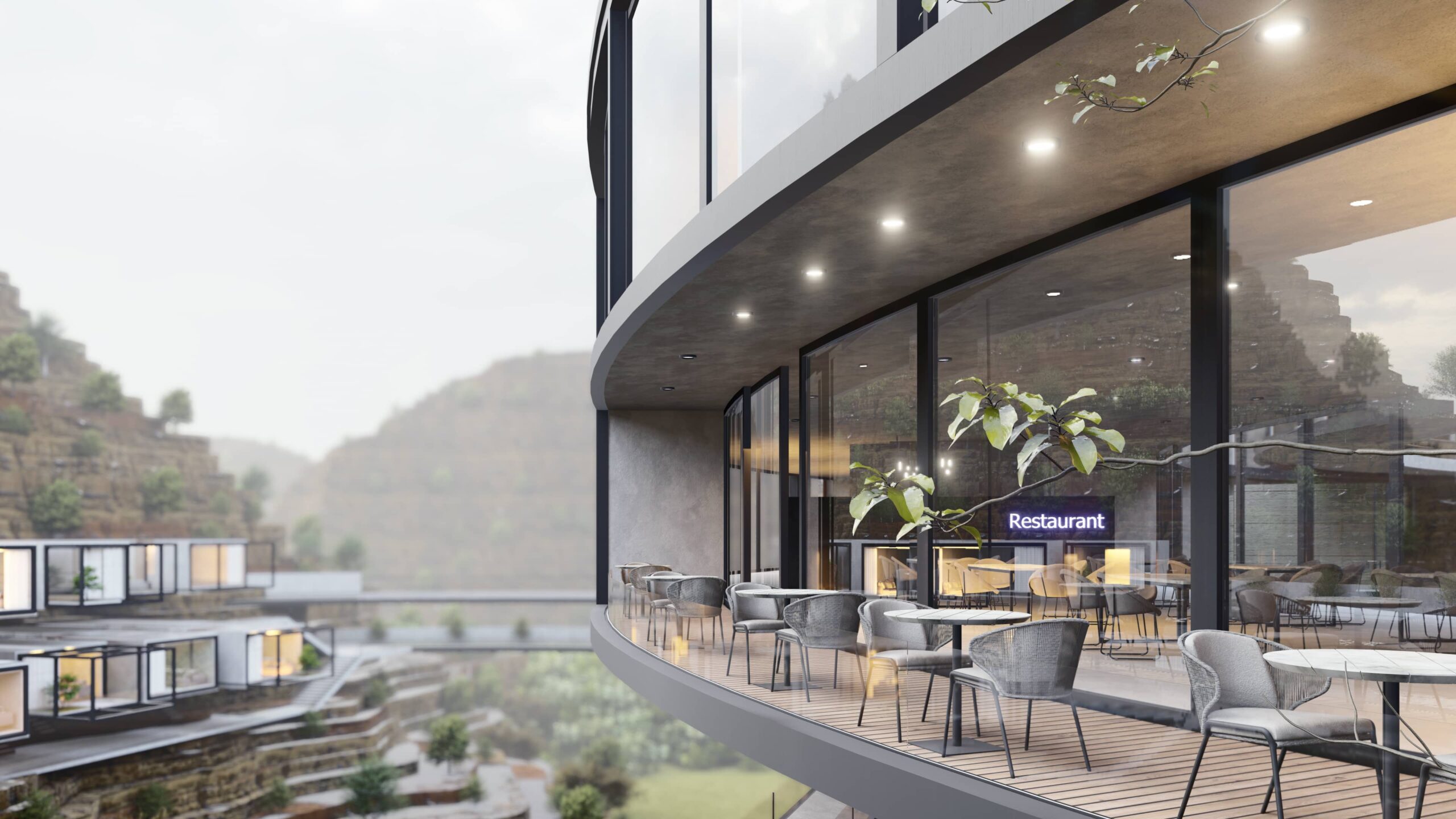
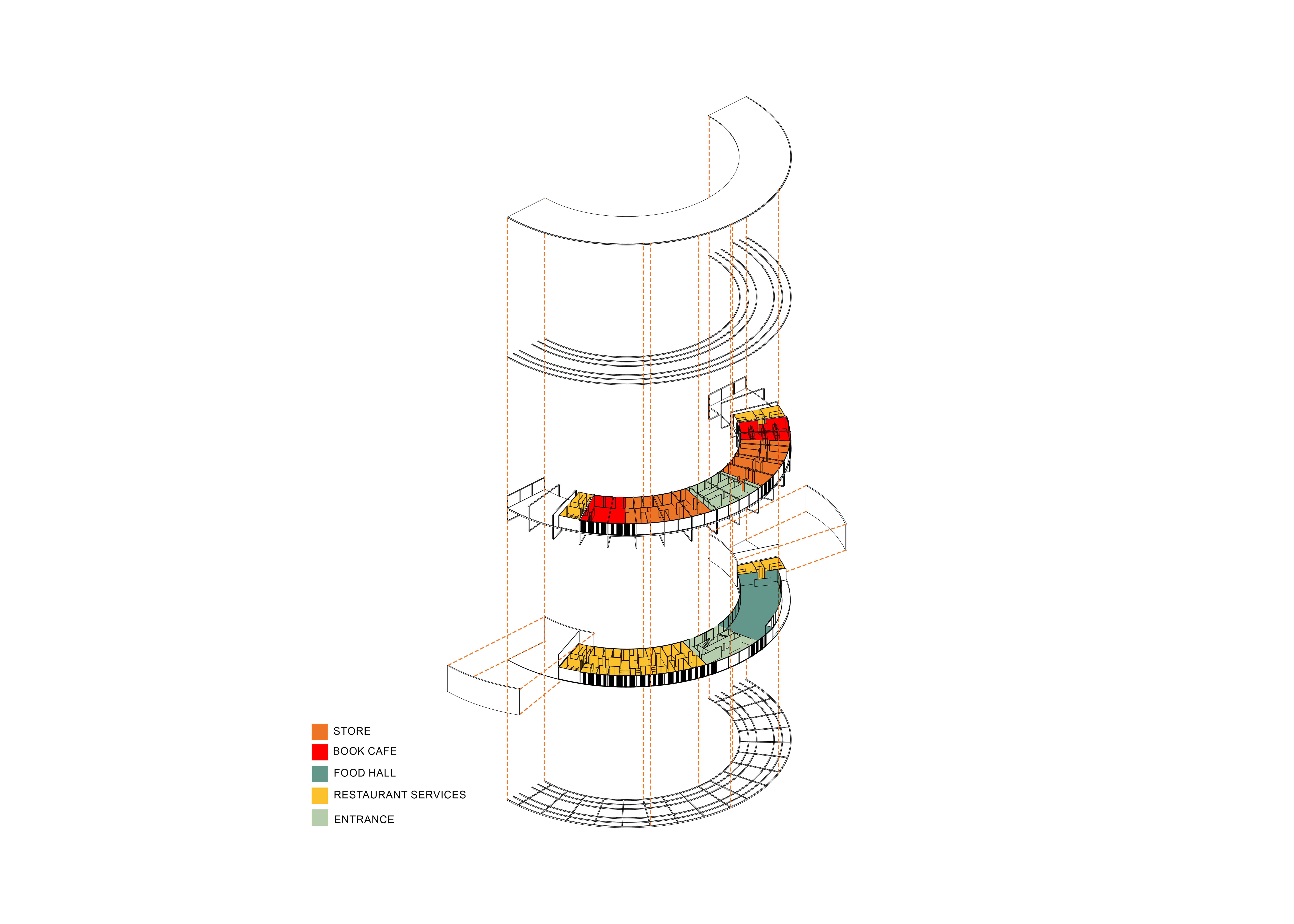
The design connects the texture of the two sides of the rocks through the bridge and provides viewpoints across the entire area, creating a high spatial quality. This ensures the architecture remains harmonious with the pristine nature of the site. The incorporation of green spaces along the pathways and the integration of life with nature are key features of the project.
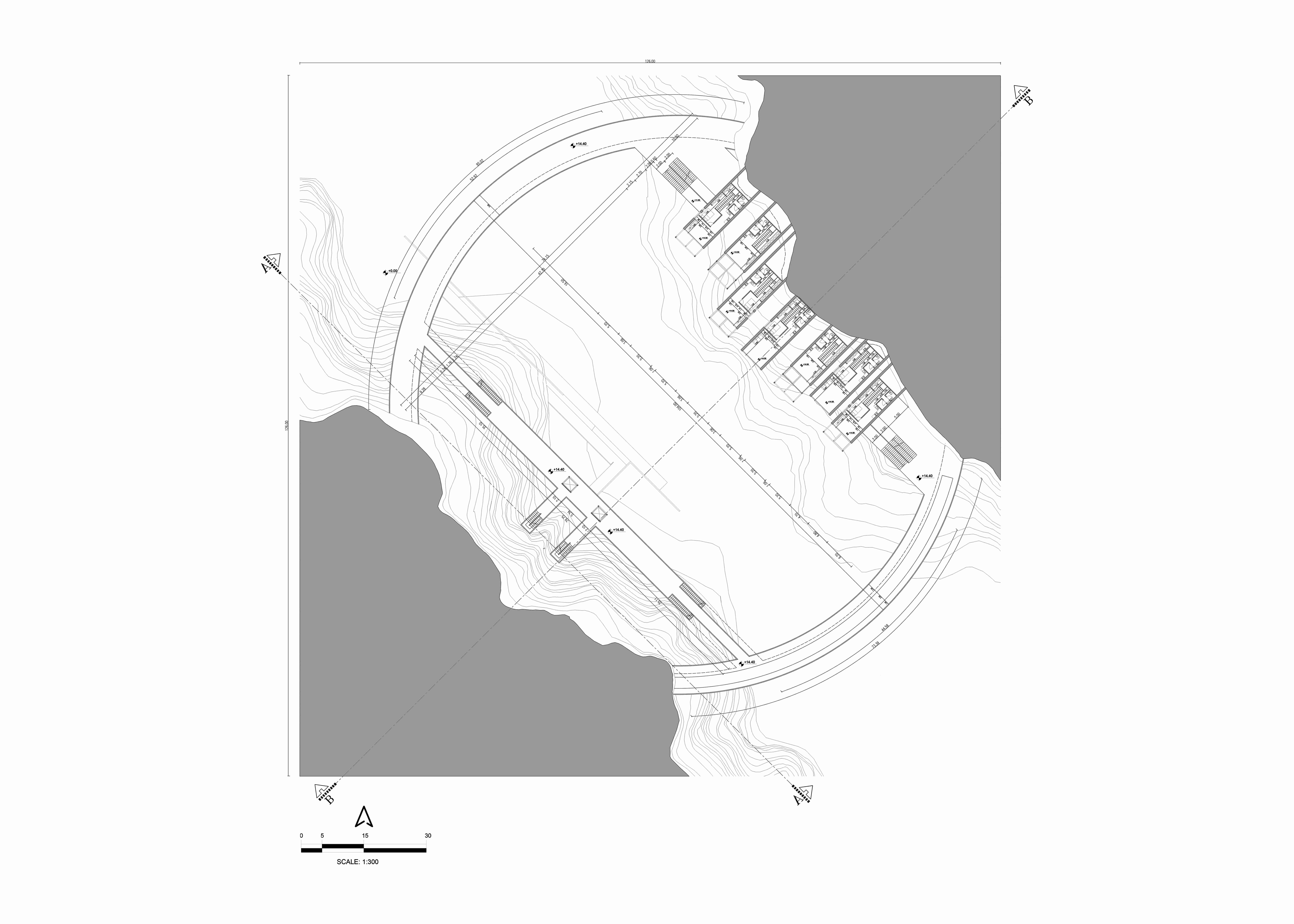
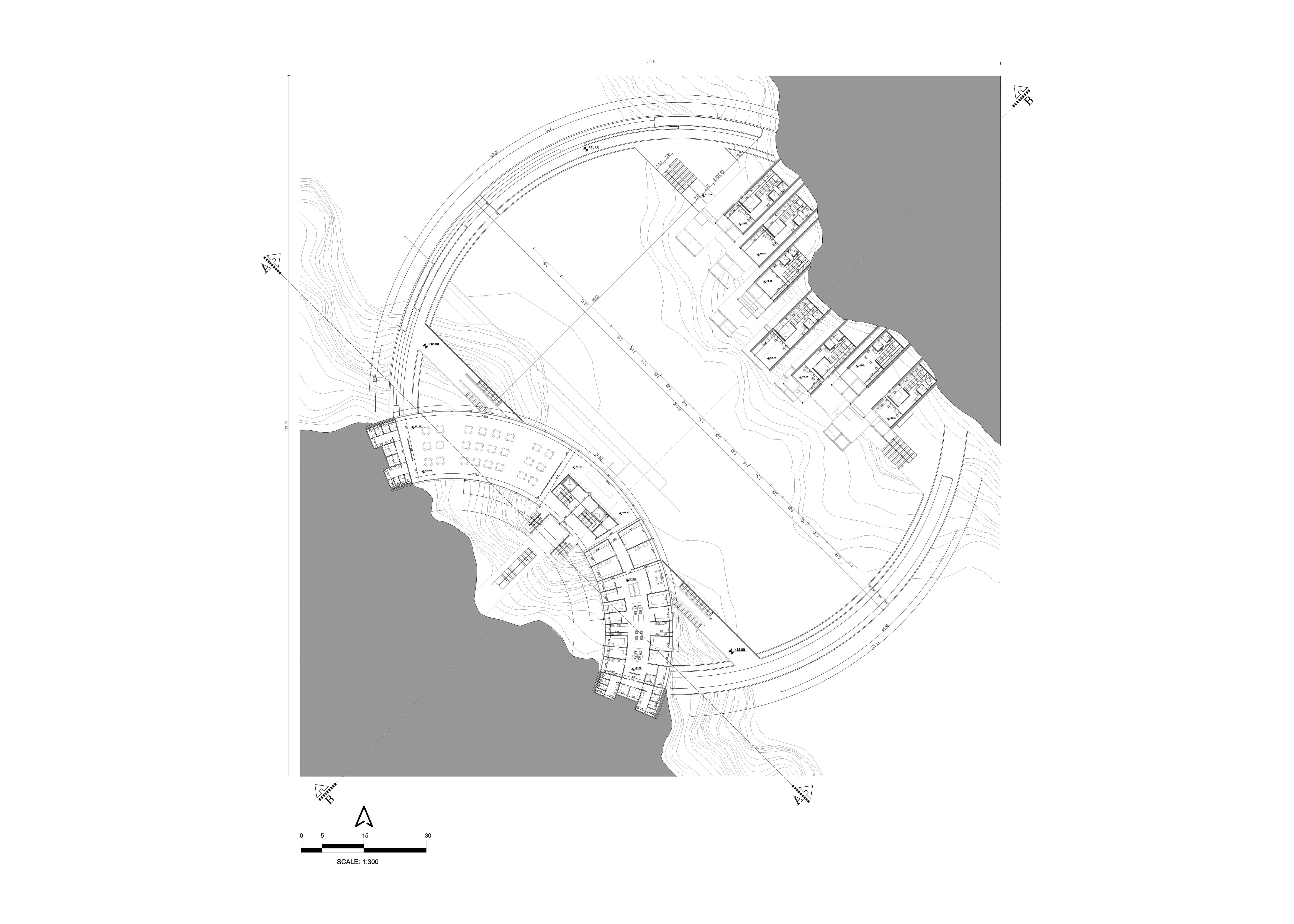
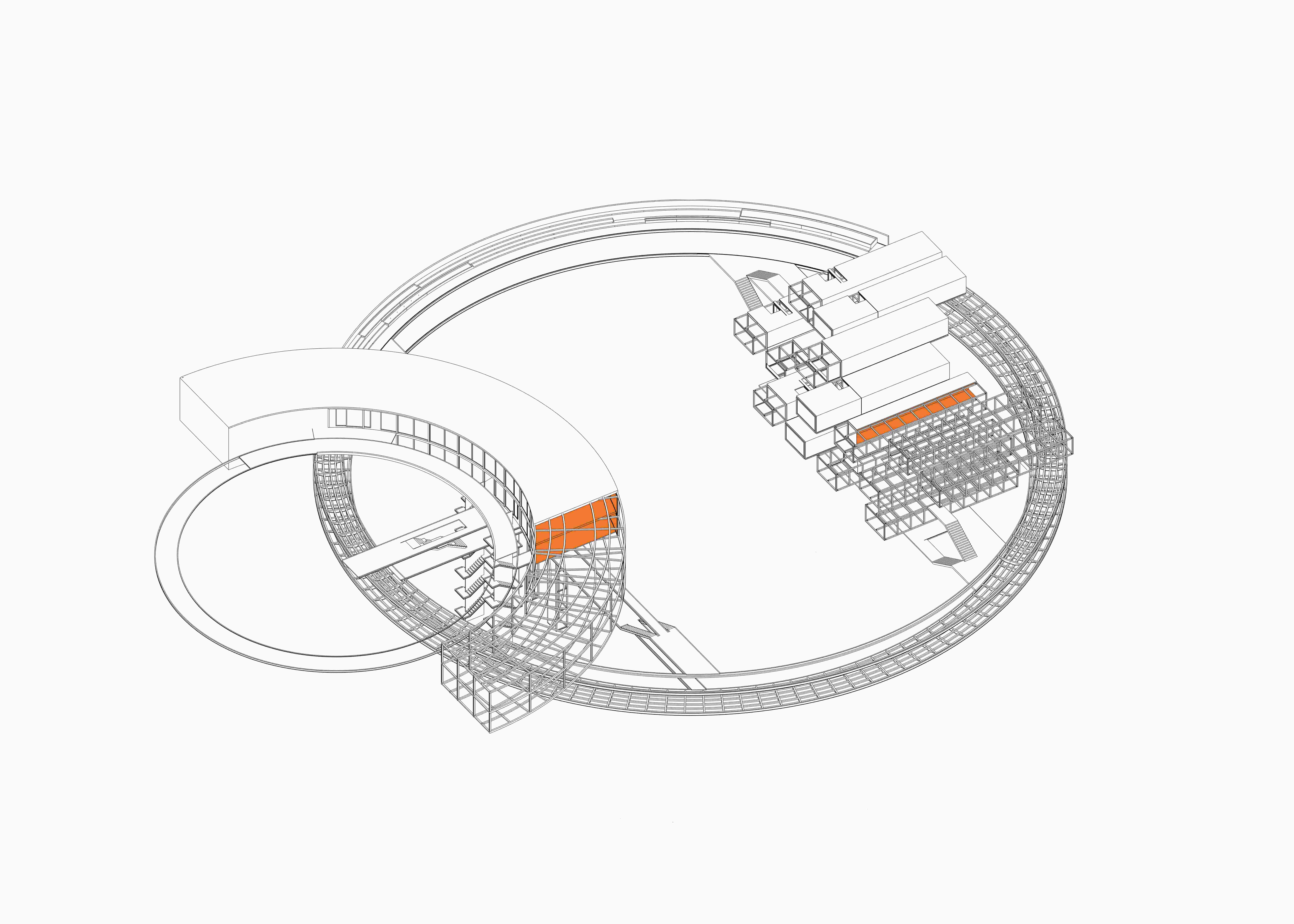
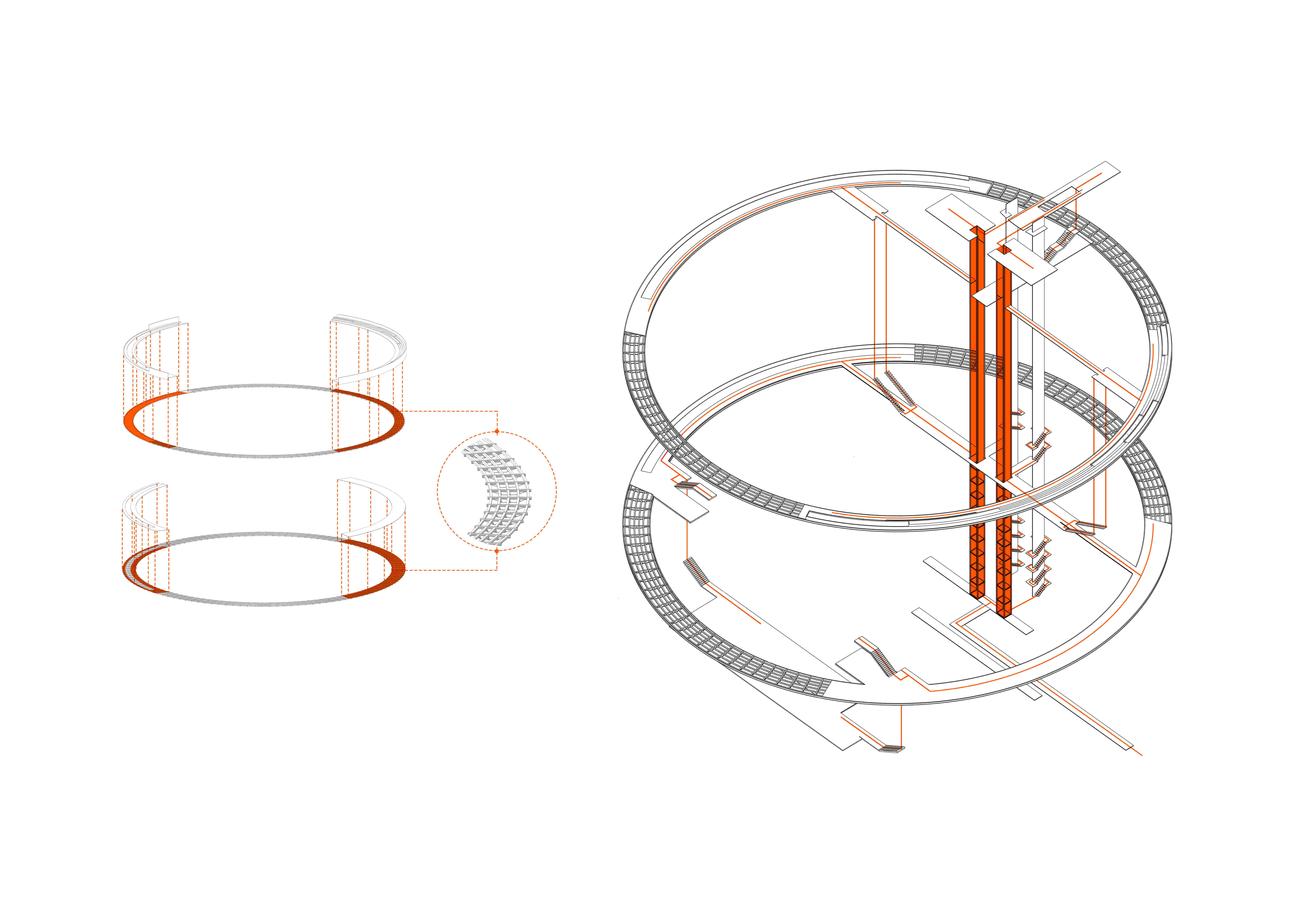
The bridge is supported by a robust metal ring structure, ensuring stability and durability. Metal elements are carefully placed within the rock crevices, creating a series of interconnected spaces that blend seamlessly with the natural surroundings. Circulation within the complex is designed to maximize exposure to the canyon’s untouched beauty. Visitors and residents alike navigate a network of pathways leading to bridges at various levels, offering panoramic views of the canyon.
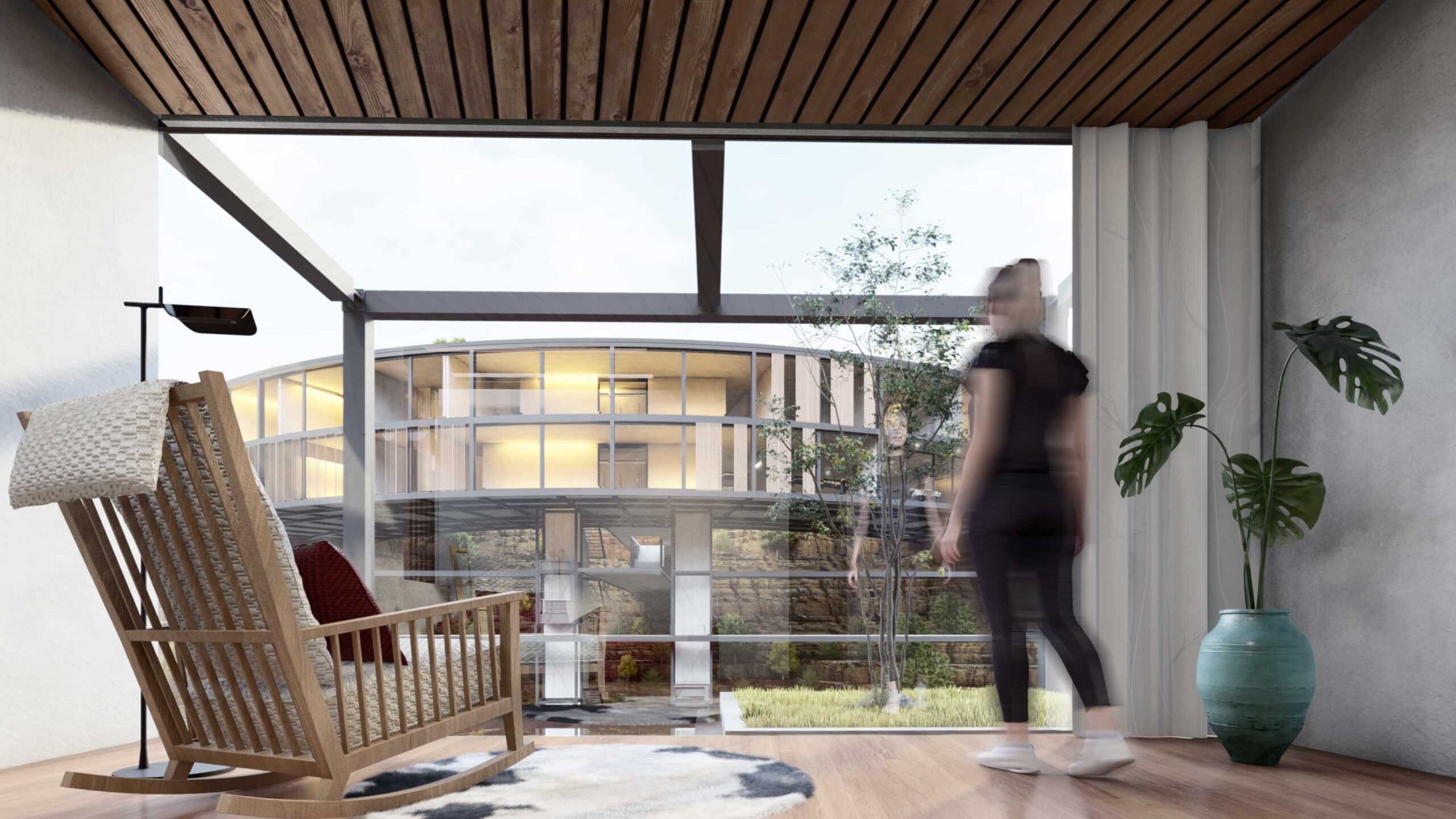
To enhance the immersive experience, direct access to residences is intentionally limited. This design choice aims to increase the number of people directly interacting with nature, fostering a sense of connection and tranquillity. Some residences offer rooftop access to upper-level units, while others feature green spaces and private balconies. These design elements further strengthen the connection to nature, creating comfortable and personalized living environments.
Established in 2012, Tamayouz Excellence Award is an unaffiliated, independent initiative that aims to advance the profession of architecture academically and professionally. Tamayouz is dedicated to supporting aspirational and transformative projects that tackle local and global challenges and that are informed by a holistic understanding of context.